


What Does It Take to Bring a Custom Silicone Baby Product from Concept to Mold?
Are you struggling to convert your silicone baby product sketch into a safe, manufacturable tool? Delayed launches and failed safety tests cost you valuable time, money, and market trust.
Bringing a custom silicone baby product from concept to mold requires strict DFM reviews, food-grade or medical-grade material selection, precise CNC or EDM tool building, and rigorous T0/T1 trial testing.
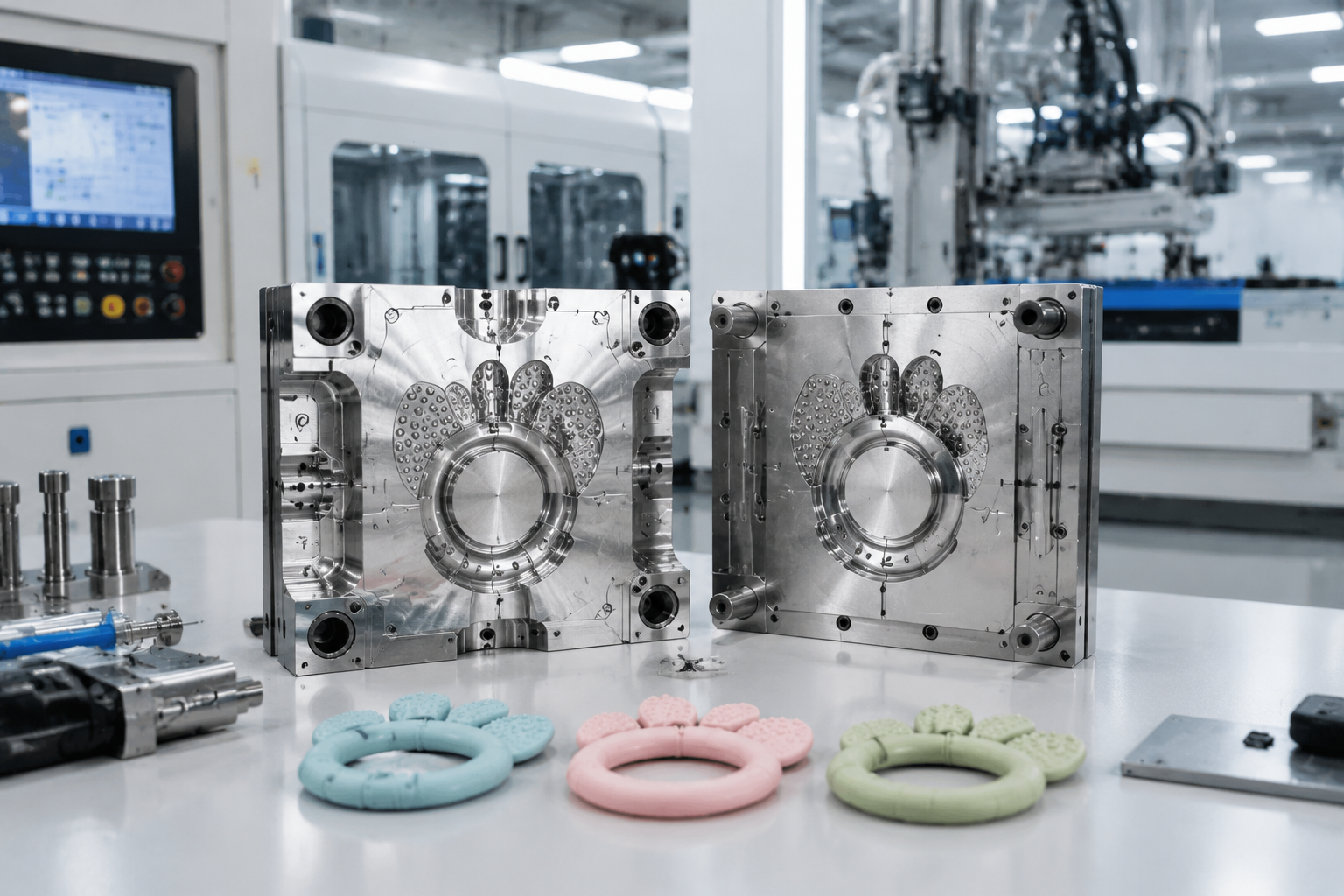
When I first started designing baby products, I learned that small errors in mold design cause major quality issues later. Silicone behaves differently than standard plastics, so you must plan every detail carefully.
How to make personalized silicone molds?
Designing custom silicone tools without proper DFM leads to expensive re-work, hidden defects, and delayed production timelines. You cannot risk launching a baby product with sharp edges or weak parts.
To make personalized silicone molds, start with a 3D CAD design, perform thorough DFM analysis, build a prototype tool for validation, and cut final steel or aluminum production molds using high-speed CNC and EDM machines.
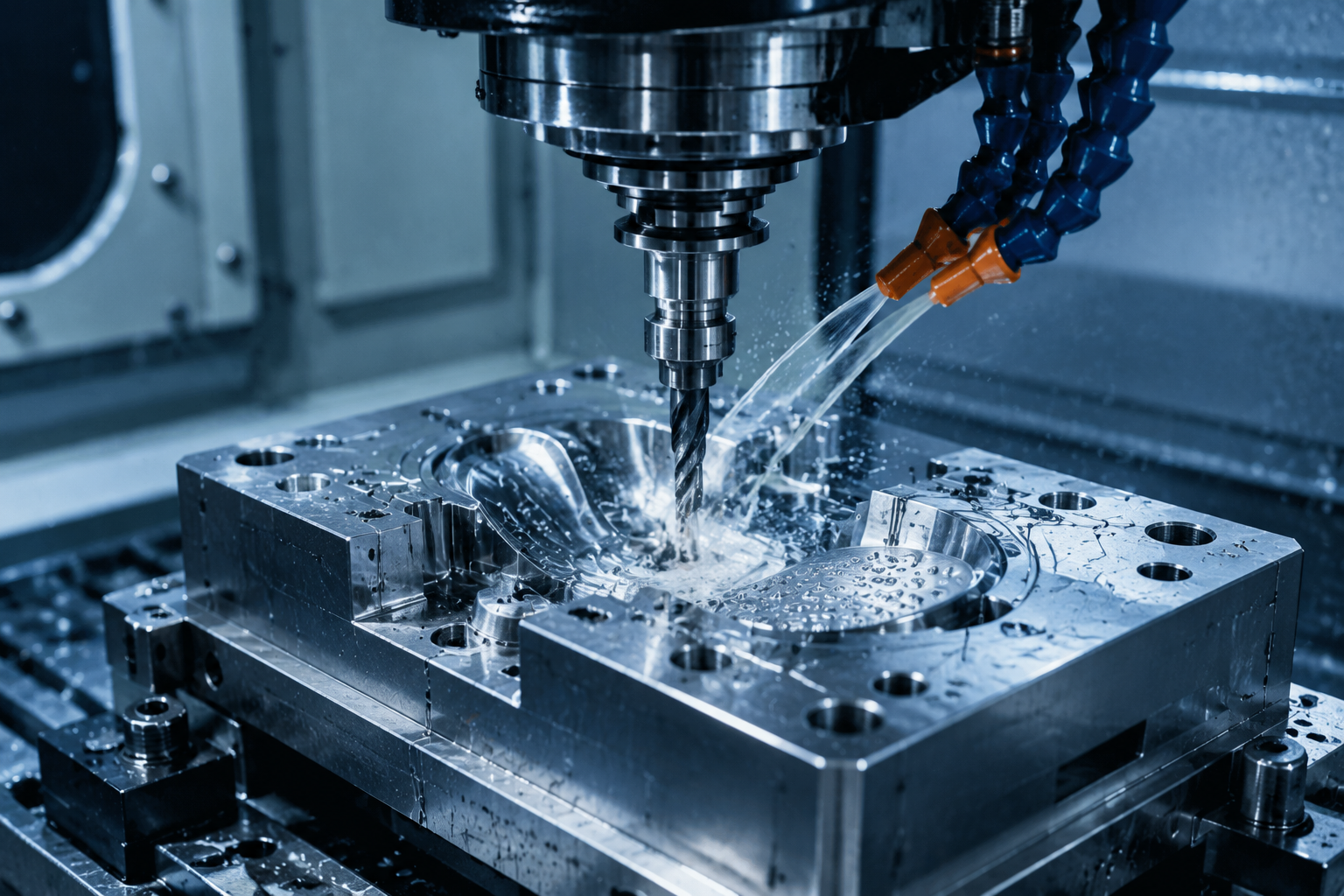
Step-by-Step Tool Creation
I always tell my team that successful manufacturing begins in the digital phase. First, we take your initial 3D data and check the geometry. We add draft angles, define clean parting lines, and adjust wall thickness. For baby items, we pay close attention to soft-edge radii and easy-to-clean surfaces.
Next, we run prototype silicone sample molds. This step lets you test the physical feel, size, and function before spending money on mass production steel tools. Once you approve the prototype, our team cuts the final mold steel using Mikron CNC machines and mirror EDM.
| Tooling Stage | Key Objective | Primary Equipment Used |
|---|---|---|
| 1. DFM Review | Optimize geometry, draft, and parting lines | CAD/CAM Software, Mold Flow |
| 2. Prototyping | Validate fit, feel, and physical function | CNC Routers, Sample Molds |
| 3. Steel Cutting | Shape durable core and cavity blocks | High-Speed CNC, Mirror EDM |
| 4. Quality Check | Confirm tight tolerances and smooth surfaces | CMM Measuring Systems |
We select compression tooling, transfer molds, or liquid silicone rubber (LSR) injection units based on your production volume and part complexity.
Can you make a silicone item in a silicone mold?
Do you wonder if flexible silicone molds work for commercial baby products? Using the wrong mold material ruins product tolerances and creates unacceptable surface defects during volume production.
Yes, you can make a silicone item using a silicone mold for small prototype runs, but mass-produced baby products require rigid steel or aluminum molds for exact precision, safety, and durability.
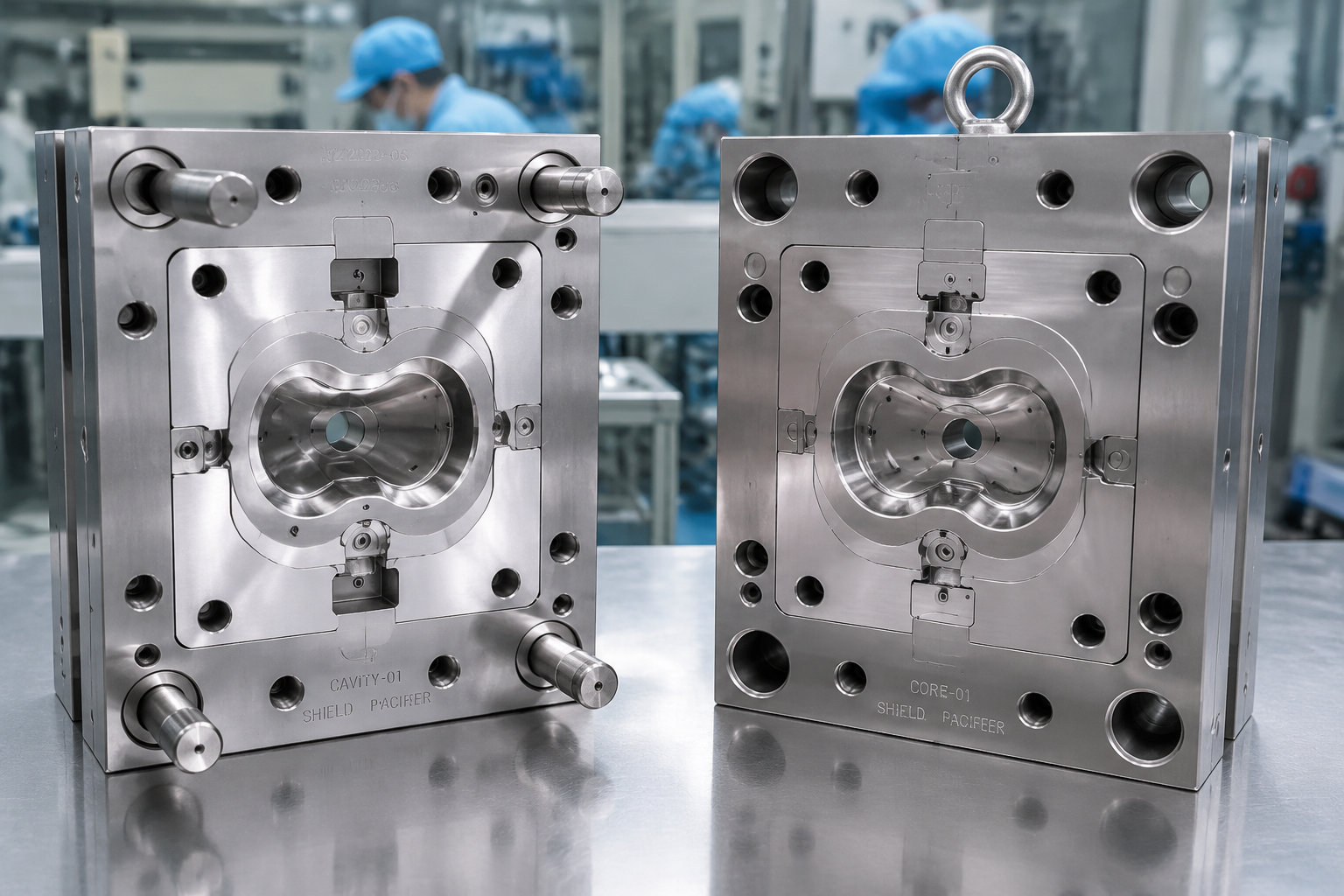
Prototype Silicone Molds vs. Steel Production Molds
In my engineering career, I often use soft silicone sample molds for fast overmolding tests on plastic prototypes. These soft tools help us check component alignment early on. However, soft molds wear out fast and cannot hold strict dimensions for thousands of parts.
For real factory production, we build metal molds using high-grade tool steel. The steel block contains engineered cavities shaped precisely for the silicone part. We carefully control mold temperature, venting, and surface texture to prevent air bubbles, flash, or surface marks.
| Feature | Soft Silicone Molds | Hard Steel Molds |
|---|---|---|
| Best Use Case | Quick prototypes and design validation | High-volume mass production |
| Tool Lifespan | 10 to 50 parts | 100,000+ parts |
| Dimensional Accuracy | Moderate | Very High |
| Surface Finish | Basic | Mirror Polish or Custom Texture |
Baby items like teether rings and pacifiers demand perfect hygiene and zero sharp edges. High-precision steel molds ensure every single piece comes out safe, clean, and completely uniform.
How long does silicone take to mold?
Are unexpected lead time delays ruining your product launch schedule? Waiting months for tooling without clear progress updates hurts your market strategy and wastes company budget.
Silicone tooling and sample validation takes 6 to 13 weeks total, while the actual production molding cycle takes only 30 seconds to a few minutes per part shot.
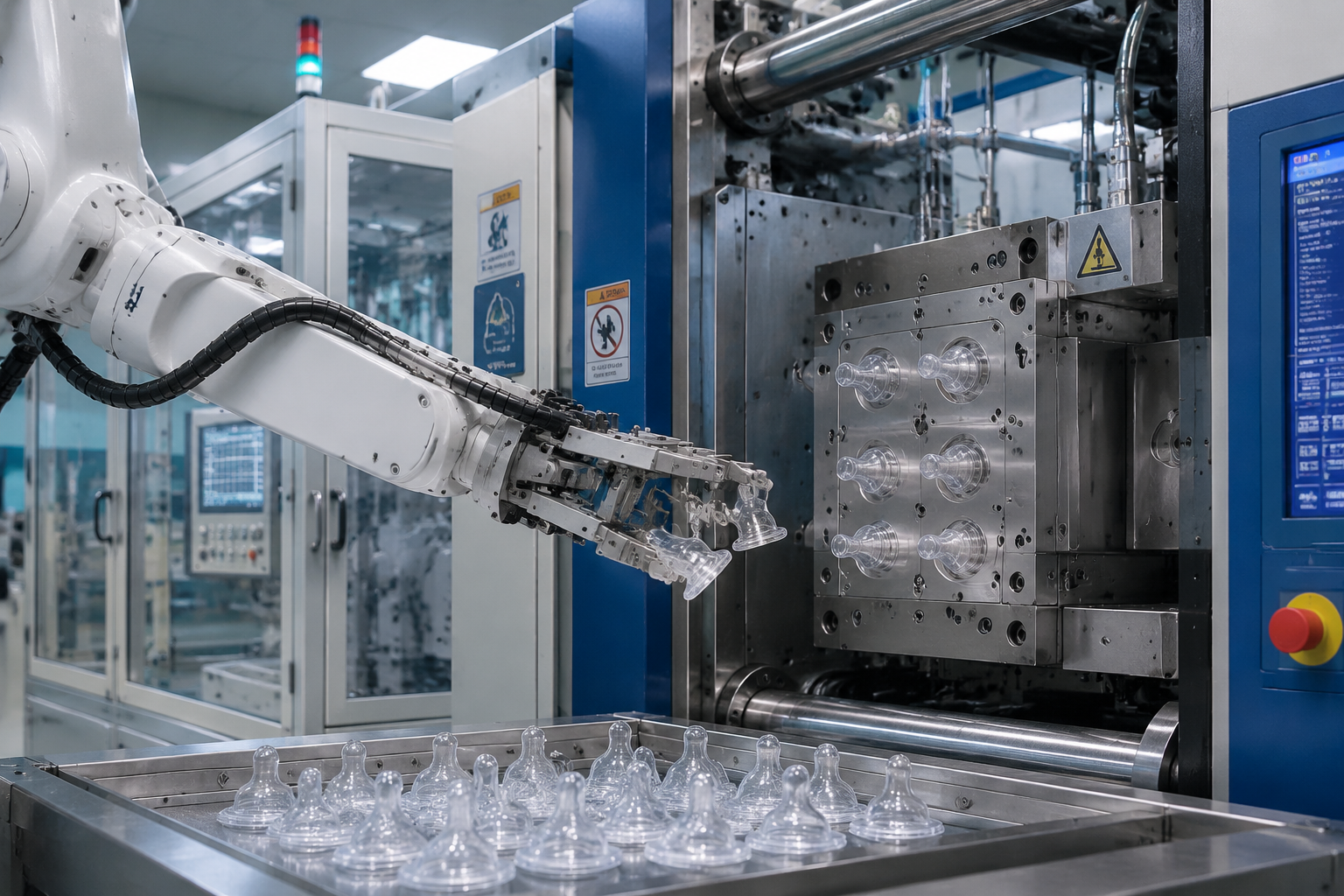
Breakdown of the Tooling Timeline
Many buyers think the longest wait happens during the molding process. In reality, liquid silicone rubber cures very quickly inside hot production tools. The real investment of time happens during the engineering phase, steel cutting, and trial testing.
I break our standard manufacturing schedule into four clear, manageable phases so clients can track progress easily without surprises:
- Engineering & DFM Review: 3 to 10 days to check CAD files and fix design issues.
- Prototype & Sample Mold: 2 to 4 weeks to produce initial validation samples.
- Production Mold Build & T0/T1 Trials: 4 to 8 weeks to machine steel and run first trial shots.
- Golden Sample Approval: 1 to 3 weeks for inspection, testing, and final sign-off.
Once we approve the golden samples, our automated LSR machines turn out finished parts in seconds. Investing time in early tool design prevents costly delays during actual factory runs.
How much does a custom silicone mold cost?
Are hidden tooling fees and unexpected production costs breaking your project budget? Miscalculating mold expense makes it hard to set competitive retail prices for baby products.
Custom silicone molds cost between $2,000 for simple single-cavity prototype tools to $50,000+ for multi-cavity, high-precision Liquid Silicone Rubber (LSR) production molds.
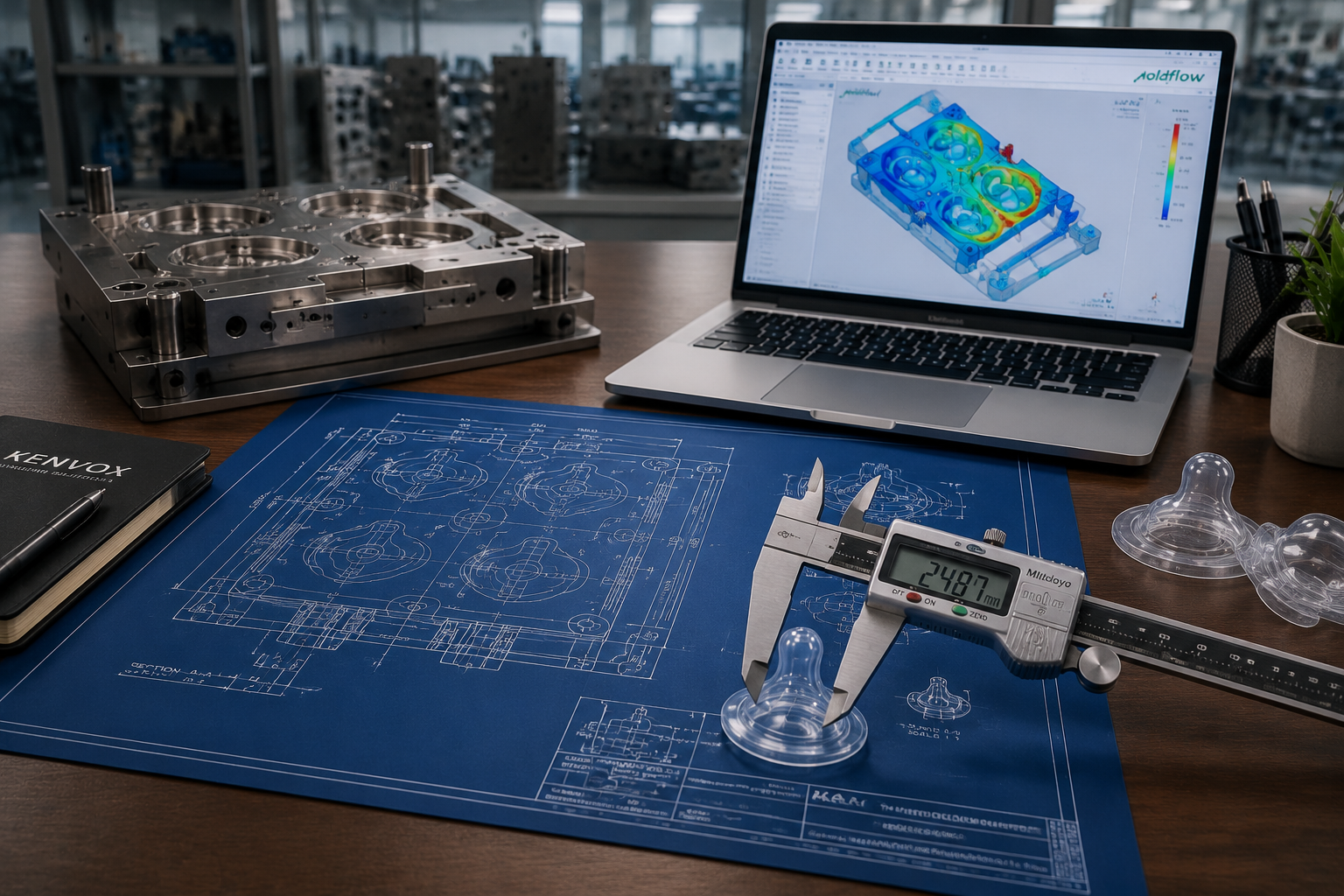
Key Factors Driving Tooling Price
When I write mold quotations, I look at four main factors that directly impact your total tooling investment:
- Cavity Count: Single-cavity tools cost less upfront, but multi-cavity molds lower your unit cost during mass production.
- Steel Grade: Standard aluminum works well for low volumes, but hardened steel lasts for hundreds of thousands of cycles.
- Part Complexity: Deep undercuts, complex slides, and multi-shot overmolding require extra machining and precise hand-fitting.
- Material Type: Compression molds for solid silicone cost less than automated cold-runner LSR injection tools.
| Mold Category | Estimated Price Range | Ideal Production Volume |
|---|---|---|
| Prototype Sample Tool | $1,500 – $3,500 | 10 to 500 parts |
| Simple Compression Mold | $3,000 – $8,000 | 1,000 to 20,000 parts |
| Advanced LSR Injection Tool | $15,000 – $50,000+ | 50,000 to 1,000,000+ parts |
We provide detailed DFM reports and clear price breakdowns so you know exactly what you are paying for before steel cutting begins.
Conclusion
Bringing custom silicone baby products from concept to mold requires expert DFM, precise steel tooling, accurate material selection, and rigorous sample testing for safe, reliable results.