


When manufacturers discuss production problems in silicone molding, few issues appear as frequently or silently costly as molding flash. For engineers in high-precision sectors like medical devices, automotive, aerospace, and consumer electronics, the presence of flash—those unwanted burrs or excess silicone at mold parting lines—can mean scrapped parts, rework, production delays, and compliance headaches.
In today’s post, we’ll explore how to approach flash control in silicone molding holistically—from mold design to secondary operations—to ensure your silicone rubber components remain flash-free, dimensionally precise, and ready for high-volume or critical-use applications.
What Is Flash and Why Does It Form in Silicone Molding?
Flash occurs when silicone rubber escapes through gaps in the mold during compression or injection molding, cools and remains visible, or interferes with function, in the final molded silicone product. While it may seem minor, even minimal flash can create tolerance issues, affect sealing in O-rings and gaskets, and violate cosmetic standards, especially in Class 100 cleanroom environments or medical device components.
Flash formation is particularly pronounced in silicone molding due to:
- Material flow properties: Liquid silicone rubber (LSR) has low viscosity and easily flows into micro-gaps.
- Thermal expansion: During vulcanization, materials expand under heat and pressure.
- Inadequate mold alignment: Misaligned parting lines or worn tooling create leakage points.
Whether using standard liquid silicone rubber, platinum-cured silicone, colored silicone, or specialty grades, understanding material behavior is step one in mitigation.
Design Strategies for Flash Prevention
Flash control for silicone rubber starts with robust mold design tailored to silicone’s unique material properties.
Optimizing the Parting Line
The parting line, or the mold separation lines, is often the first and most common area for flash formation. Effective flash control begins with its optimal design to avoid parting line flash.
- Precision machining ensures tight closure with minimal gaps.
- Seal-off geometry and interlocking features create natural flash barriers.
- During product design, positioning the parting line along non-cosmetic or non-functional areas to hide any unavoidable burrs.
- Applying specialized coatings or finishes to reduce material adhesion and improve release.
Poorly defined parting lines are common culprits behind burrs, especially in high-viscosity silicone grades or thin-walled geometries.
Precision Mold Design Considerations
Every component of a mold impacts flash potential. Key elements include:
- Steel quality and finish: Hardened tool steels resist wear at separation lines, while polished surfaces reduce flash adherence
- Venting placement: Micro vents near the end-of-fill areas relieve trapped air, preventing pressure buildup that causes flash
- Cavity tolerance optimization: Proper tolerances between mold halves and inserts prevent overflows and promote part consistency
At Kenvox, DFM reviews ensure that every mold cavity and core is built to exacting standards, reducing the risk of mold mismatch and thermal distortion.
Injection vs. Compression Molding Considerations
Choosing between silicone injection molding and silicone compression molding can also influence flash management:
- Silicone Injection molding: Better suited for high-volume runs and tighter flash control due to precise metering and closed mold injection.
- Silicone compression molding: Preferred for larger, thicker parts and materials with higher durometer; requires more careful mold alignment to prevent flash.
- In both methods, mold cavity pressure control, cure timing, and closing force calibration are vital to prevent flash propagation
Understanding the interplay between the molding process and design choices helps engineers select the right combination for flash-free production.
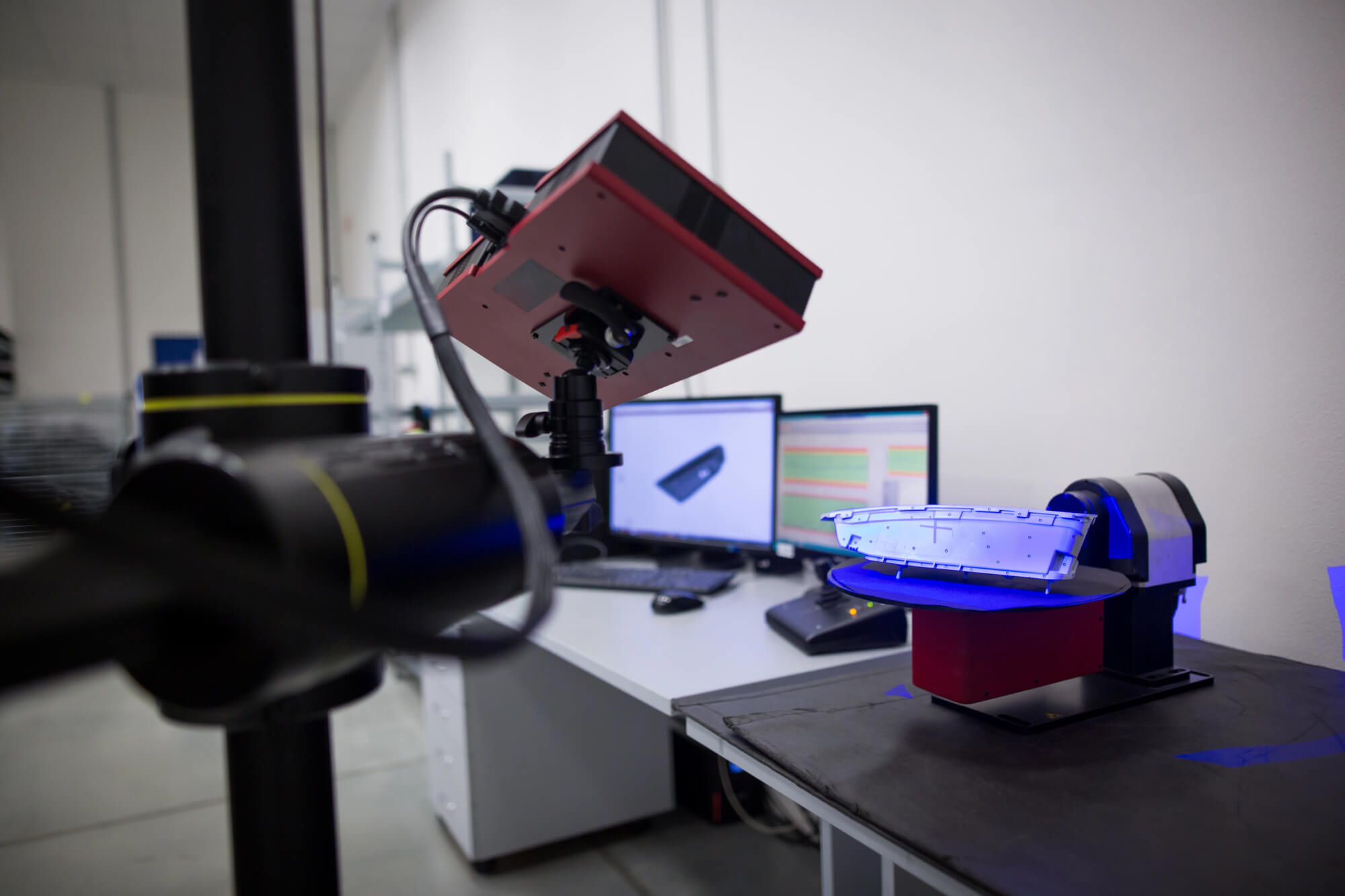
Equipment and Tooling Advancements
Advanced equipment plays a crucial role in delivering flash-free silicone molding and reducing flash in injection molding, especially when managing flash molding challenges and injection molding flash defects in both silicone and plastic injection molding applications.
Precision Molding Machines and Micro-Molding Systems
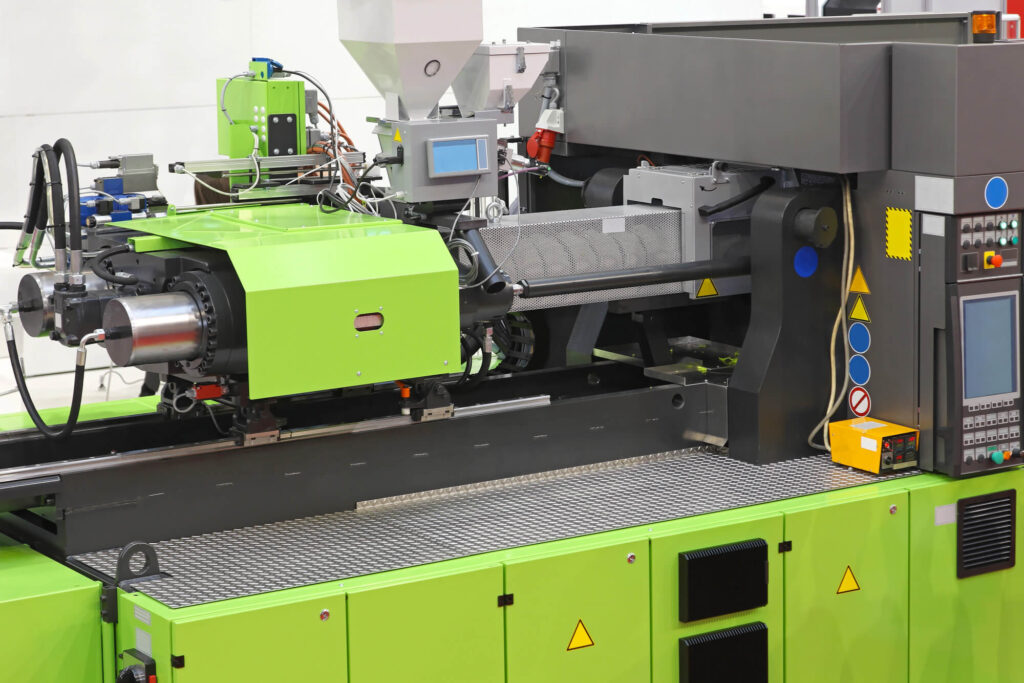
High-end silicone injection molding and compression molding machines, including advanced injection molding machines, should offer:
Shot size accuracy to ensure material dosing is exact, especially for small-to-micro molded components and injection molded parts where excess material can lead to flash formation.
Tool alignment systems that maintain parallelism under pressure, ensuring mold halves stay aligned and minimizing separation at the mold’s parting line where flash occurs.
Servo-controlled clamping and injection units that enhance repeatability, maintain proper clamping force and clamping pressure, and prevent molten material or molten plastic from escaping through small gaps between metal surfaces.
These features help prevent flash, improve dimensional accuracy, and ensure higher quality parts across complex part geometries.
Ejector Pin Design and Seal Engineering
Flash formation often creeps in around improperly designed ejector pins in injection molding, especially when dealing with liquid silicone rubber or plastic material where molten plastic easily seep into small gaps. Kenvox applies:
Precision-ground ejector pins to reduce tolerance gaps and limit flash in injection molding.
Seal engineering around pin shafts to prevent silicone seepage and molten plastic escapes during the injection molding process.
Mold cavity layouts that minimize edge transitions near ejector pins and reduce stress at the parting line.
These refinements help prevent molding defects, reduce mold wear, and support long-term production efficiency while maintaining part quality and part’s surface finish.
These tooling and machine refinements are essential to eliminating flash during both prototyping and full-scale production with LSR and other materials.
Material & Process Controls in Silicone Injection and Compression Molding
Both silicone injection molding and silicone compression molding require precise coordination between machine settings, process parameters, and material characteristics to avoid injection molding flash defects and excessive flash.
Critical parameters include:
Injection pressure and fill speed: In injection molding machines, ensure the injection speed and injection pressure do not cause excessive injection pressure, overpacking, or turbulence, which can exacerbate flash formation and create molding defects.
Mold temperature and melt temperature: Balanced heating improves flow of molten material and prevents early cure at the mold’s parting line, reducing flash occurs at sealing surfaces.
Silicone viscosity and hardness: High-viscosity or lower viscosity adjustments depending on the material can reduce flash risk and improve flow through venting channels.
Platinum cure cycles: Timing and temperature must align to avoid incomplete fills, overflow, or excess plastic buildup.
Tolerance planning: Collaborating with a skilled toolmaker on tight tolerances helps limit excess material and improve dimensional accuracy.
Proper venting: Ensuring proper venting and avoiding improper venting allows air to escape and prevents pressure buildup that leads to flash forms.
Proper maintenance and machine settings: Regular calibration of molding machines, clamp tonnage, and hold pressure ensures the mold is closing properly and prevents flash defects caused by equipment drift.
Flash-free silicone molding depends on dialed-in vulcanization profiles, operator training, and real-time quality control and quality inspection routines to identify root causes early and maintain consistent molded parts.
Post-Molding: Secondary Operations for Flash Removal
Even with perfect mold design for both silicone injection molding and compression molding, micro flash can still appear, especially on small, complex geometries such as medical devices, LED lighting barriers, or precision molded components where tight tolerances are required.
Kenvox offers multiple flash removal and post processing options:
Manual deflashing: Manual trimming, cutting, or breaking off flash using blades or tools to remove flash from molded parts.
Tumbling and vibratory tumbling: Used for bulk parts where edge consistency is critical and excess plastic must be removed efficiently.
Cryogenic deflashing: Using liquid nitrogen and media to break brittle flash without damaging parts or affecting part quality.
Robot autogrinders: For high-volume production where labor costs must be reduced while maintaining consistency.
Post-curing: Sometimes improves dimensional stability before flash removal and ensures better part’s surface finish.
However, flash removal and post processing can increase material waste, labor costs, and cycle times. The better solution is focusing on flash prevention upstream by optimizing mold design, controlling process parameters, and addressing root causes early in the molding process.
Flash Control in Action: Kenvox’s Integrated Approach
Kenvox leverages:
- Fully in-house tooling & mold design for liquid silicon rubber, solid silicone rubber, silicone compression, silicone injection molding, and silicone epoxy.
- State-of-the-art equipment for tooling and die creation, including CNC mold machining, EDMs, wire-cutting machines, and more.
- Class 100 cleanroom production for medical-grade components
- In-line ISO 13485, ISO 9001, and ISO 14001 certified quality systems
- A DFM process that includes moldability analysis, gate design, venting simulations, and predictive flash zone detection
- Experience across high & low-volume production for medical, baby, consumer, and automotive markets
From silicone overmolding to rapid prototyping, flash control isn’t just about defect reduction. It’s a competitive advantage.
Prevent Flash Before You Have to Cut It Off
Designing for flash control silicone molding means thinking ahead: from mold parting surfaces to silicone material selection, from pressure dynamics to operator practices. By taking a comprehensive view that integrates mold design, processing conditions, and post-molding strategies, manufacturers can eliminate the most common source of production issues, scrap, and rework.
At Kenvox, we build molds to run flash-free from the start. Contact us today to discuss your project—whether it’s liquid silicone rubber baby products, gaskets, or aerospace silicone components—and discover how we help eliminate flash before it starts.
Explore our silicone molding capabilities or contact us for a free DFM review.