


Silicone Mold vs. Plastic Injection Mold: Which One is Better for Your Product’s Durability and Budget?
Choosing the wrong mold can waste thousands of dollars and ruin your product. It is a stressful risk. I will help you pick the right one today.
Silicone molds are best for low-volume production, prototypes, and flexible parts. Plastic injection molds are better for high-volume production, rigid parts, and long-term durability. The better choice depends on your total budget and how many units you need.
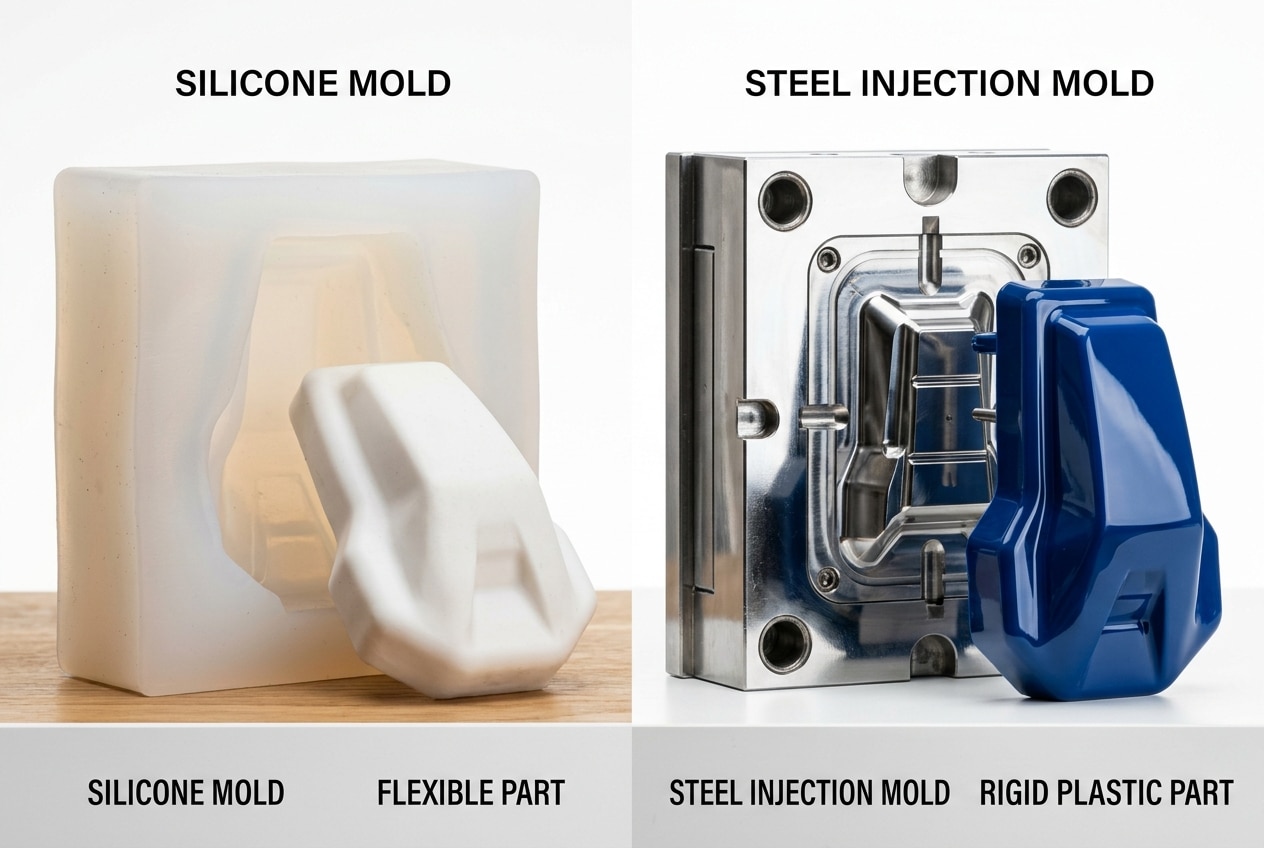 silicone mold vs plastic injection mold comparison
I have seen many designers struggle with this choice. Some pick silicone to save money but then they cannot scale. Others spend too much on steel molds for a product that might fail. I want to share my experience to keep you from making these mistakes.
Can you injection mold with silicone?
You might want the feel of silicone but the speed of injection. Using the wrong method leads to slow production. I can explain how this works.
Yes, you can injection mold with silicone. This process is called Liquid Silicone Rubber (LSR) injection molding. It uses a machine to inject liquid silicone into a heated mold to create precise, flexible parts quickly.
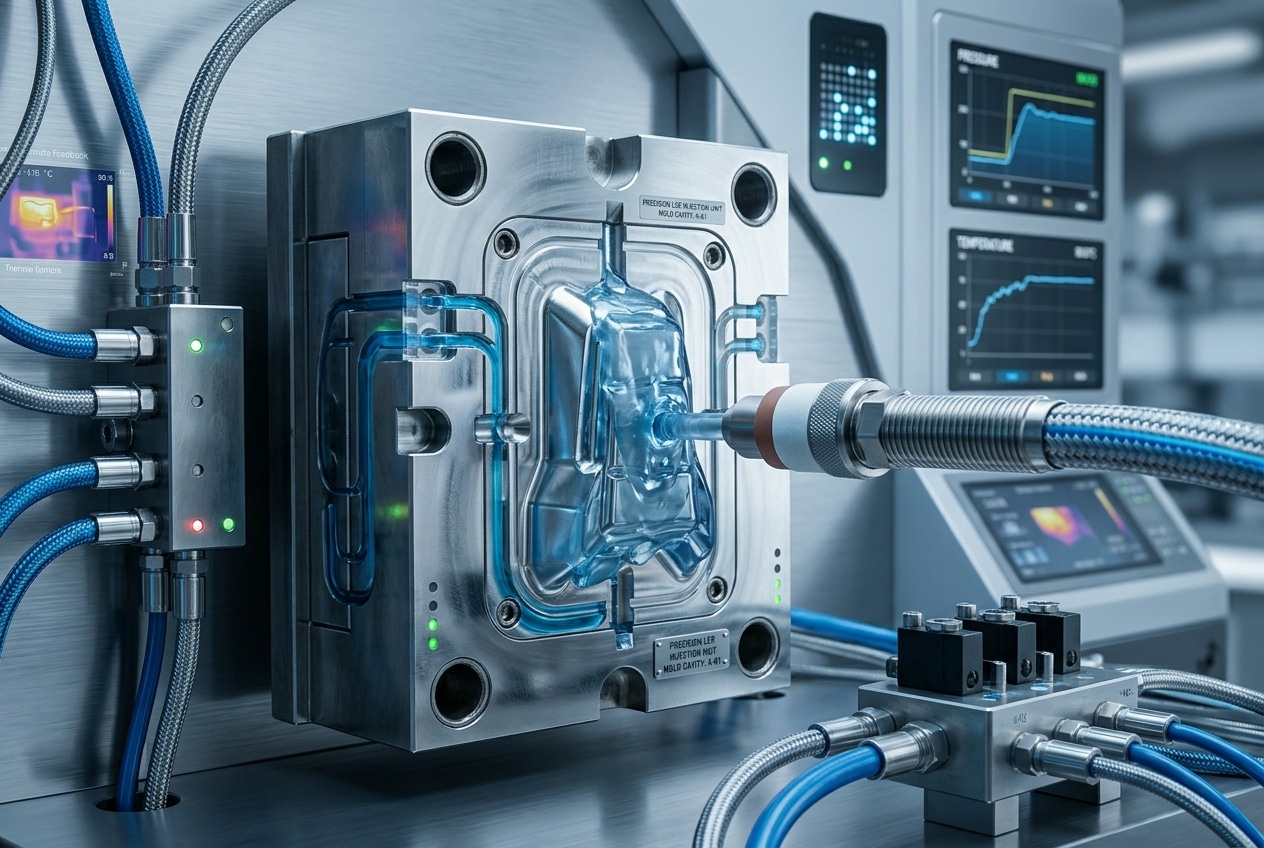 LSR injection molding process
To understand this, we need to look at the two main ways to mold silicone. First, there is compression molding. In this method, you put a blob of silicone in a mold and squeeze it. It is slow and less precise. Then, there is LSR injection molding. This is much faster. It uses a pump to push the material into the cavity.
I often tell my clients that LSR is the way to go for medical devices or high-end electronics. It offers great consistency. The parts are the same every single time. This is hard to do with hand-poured silicone molds.
LSR vs. Compression Molding
| Feature | Compression Molding | LSR Injection Molding |
|---|---|---|
| Speed | Slow | Very Fast |
| Precision | Medium | High |
| Waste | More scrap | Very low waste |
| Best for | Simple shapes/Low volume | Complex shapes/High volume |
LSR requires expensive steel molds because the material is thin and flows easily. If the mold is not perfect, the silicone will leak. This is why having a strong R&D team is important. At KENVOX, we use high-precision CNC machines to make sure these molds are airtight.
How much does silicone injection molding cost?
High tooling costs can kill a project before it starts. You do not want to spend your whole budget on a mold. Let’s look at the actual costs.
Silicone molding costs vary by method. Simple silicone molds for prototypes are very cheap. LSR injection molds are expensive because they require high-grade steel and precision engineering. However, the cost per part drops as you make more units.
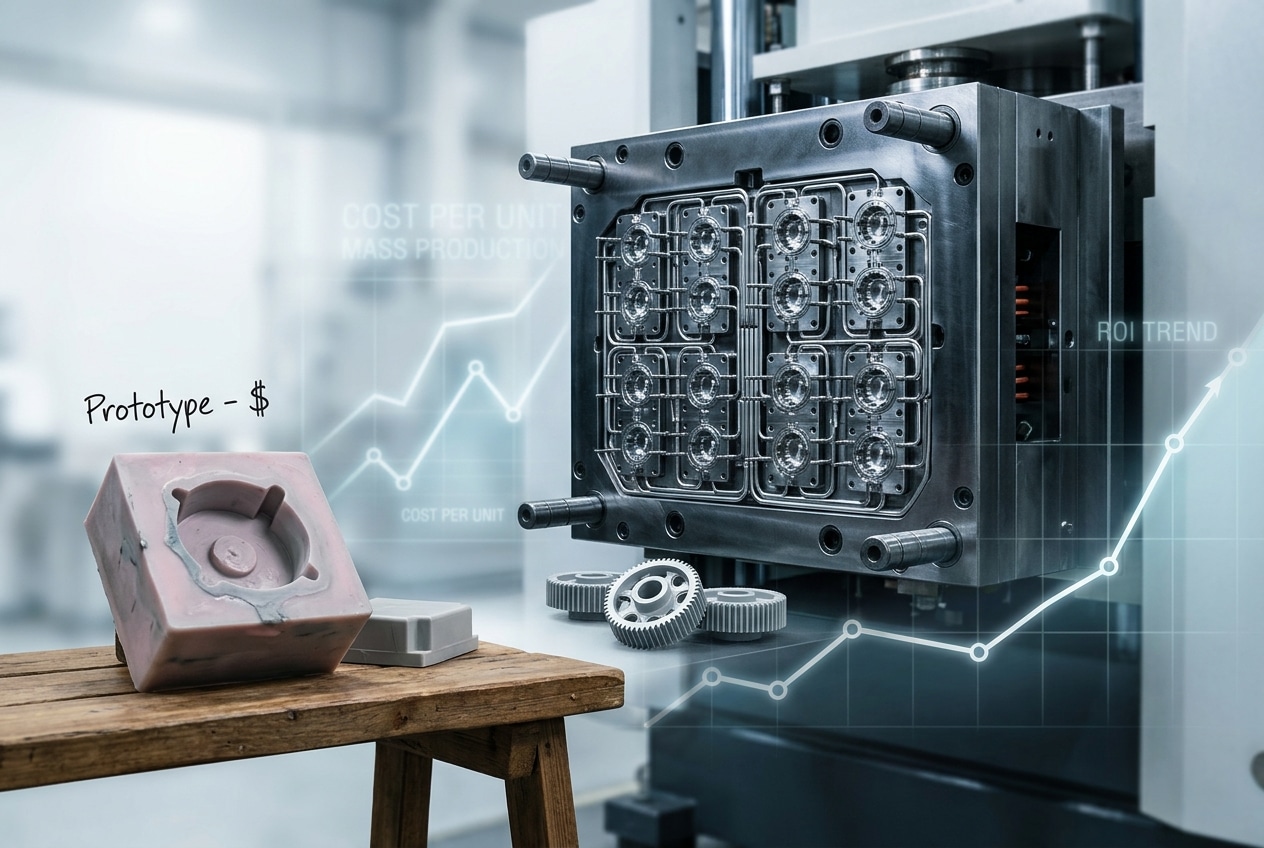 Silicone Mold Cost Analysis
When I talk to designers like Kyle, they usually ask about the "upfront cost." For a simple silicone cast mold, you might spend a few hundred dollars. But for an LSR injection mold, you could spend thousands. Why is it so expensive? It is because LSR molds must withstand high heat and pressure.
The cost is not just the mold. You must think about the material and the labor. Silicone is generally more expensive than common plastics like PP or ABS. But you pay for the quality. You get a product that resists heat and does not break easily.
Cost Breakdown Factors
- Mold Material: Soft silicone molds are cheap. Hardened steel for LSR is expensive.
- Complexity: More cavities or moving parts (sliders) increase the price.
- Volume: High volume makes the price per part very low.
- Post-Processing: Adding colors or coatings adds to the cost.
If you only need 100 parts, do not use LSR. I suggest using a silicone cast mold. If you need 10,000 parts, the high cost of the LSR mold is worth it because each part becomes cheap to make.
How many times can an injection mold be used?
Molds wear out over time. If your mold breaks in the middle of a big order, you are in trouble. You need to know the lifespan.
The lifespan depends on the mold material. Aluminum molds usually last for 10,000 to 100,000 cycles. Hardened steel molds can last for one million cycles or more. Simple silicone molds may only last for 20 to 50 uses.
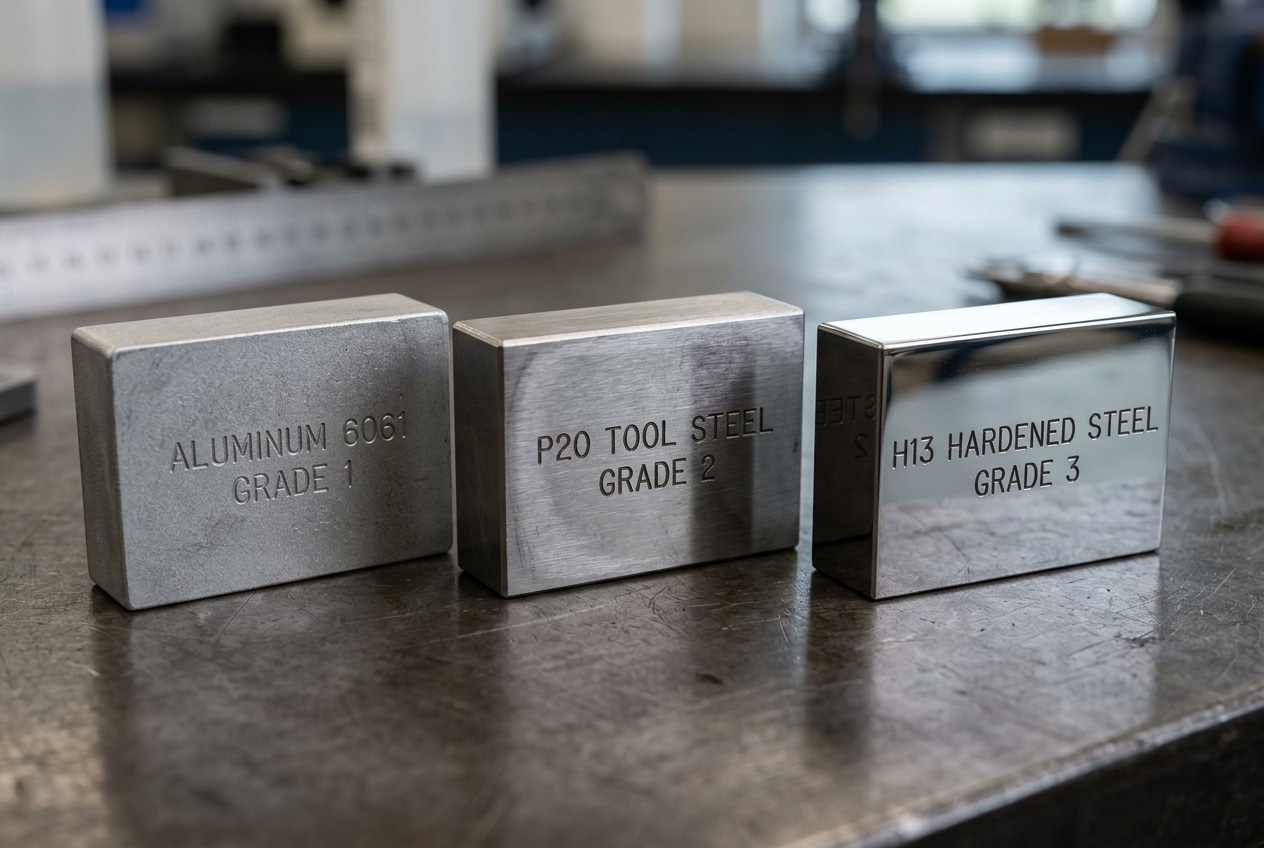 Injection Mold Lifespan Materials
I like to explain "shot count" to my clients. One shot is one time the mold closes and opens. Every time this happens, the metal rubs together. This causes wear. If you use a cheap metal, the mold will deform.
For a product that will be on the market for years, I always recommend P20 or H13 steel. These materials are tough. They keep the dimensions of your product exact even after a million shots. This is critical for parts that must fit together perfectly, like a phone case or a car part.
Mold Material Lifespan Comparison
| Mold Material | Estimated Cycle Life | Best Use Case |
|---|---|---|
| Soft Silicone | 20 – 100 cycles | Prototypes / Art |
| Aluminum | 10k – 100k cycles | Bridge production |
| P20 Steel | 100k – 500k cycles | Medium production |
| H13 Hardened Steel | 1M+ cycles | Mass production |
I have seen projects fail because the designer chose aluminum to save money. After 50,000 parts, the mold wore down. The parts no longer fit together. They had to buy a new steel mold and stop production for a month. This cost them more than if they had just started with steel.
Is silicone mold better than injection mold?
Comparing these two is like comparing a hammer to a screwdriver. Neither is "better" on its own. You just need the right tool for the job.
Neither is better overall. Silicone molds are better for flexibility, heat resistance, and low-cost prototypes. Plastic injection molds are better for rigid parts, extreme speed, and very high production volumes.
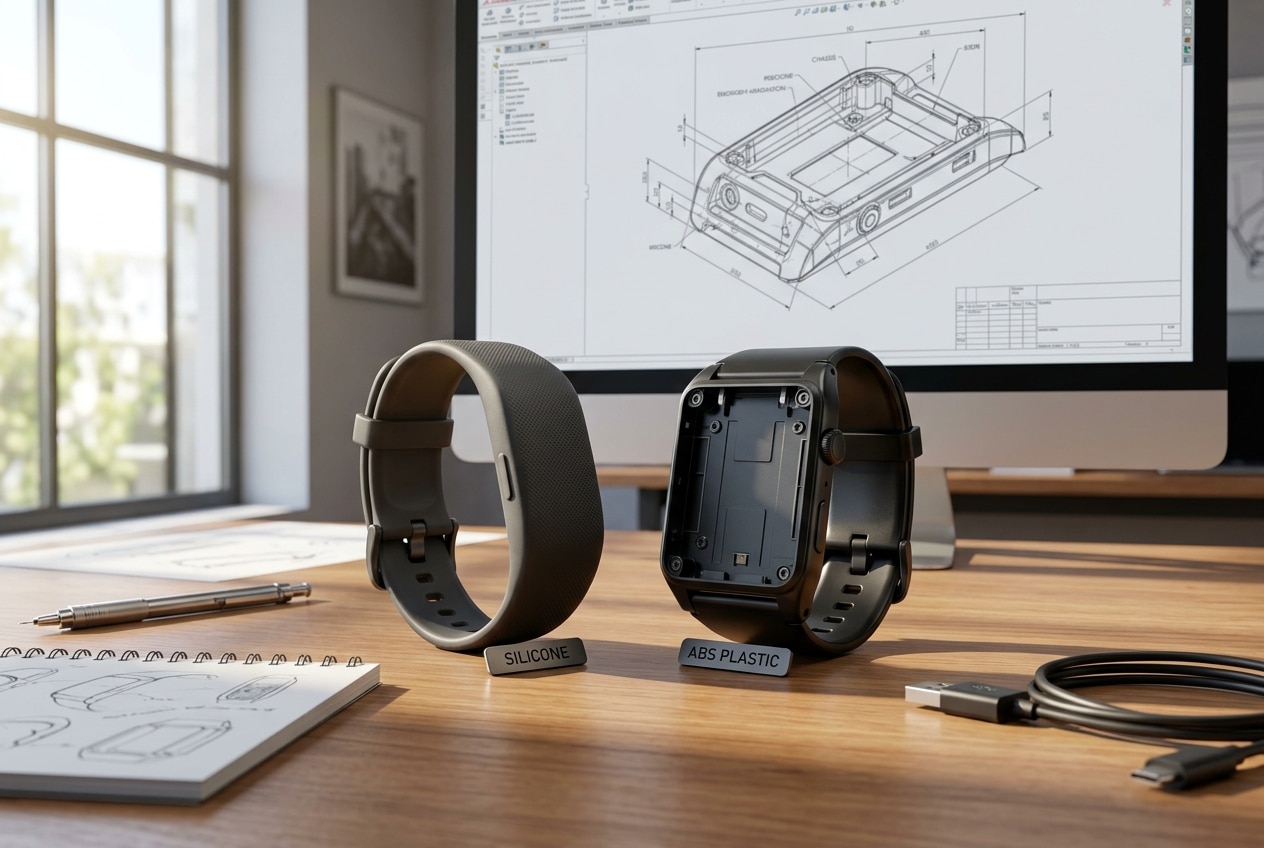 Silicone vs Plastic Injection Choice
I often see people confuse "silicone molding" (casting) with "plastic injection molding." They are very different. If you want a part that feels like rubber, goes in a microwave, or seals a leak, go with silicone. If you want a hard shell, a snap-fit clip, or a million identical parts, go with plastic injection.
At KENVOX, we provide a turnkey service. This means I do not just sell you a mold. I help you look at your design. I check if the material fits the goal. If you are a designer like Kyle, you know that shrinkage is a nightmare. Plastic and silicone shrink differently. If you switch from one to the other, you must change your CAD design.
Quick Decision Guide
| Goal | Choose Silicone | Choose Plastic Injection |
|---|---|---|
| Low Volume (<500) | Yes | No |
| High Volume (>10,000) | No | Yes |
| Flexible/Rubbery | Yes | No (unless using TPE) |
| Rigid/Hard | No | Yes |
| Low Upfront Cost | Yes | No |
| Long-term Durability | Medium | High |
If you are still unsure, start with a prototype. I suggest making a few silicone cast parts first. This lets you feel the product. Once you know it works, we can build a high-volume steel injection mold. This path reduces your risk and saves your budget.
Conclusion
Silicone is for flexibility and low volume. Plastic injection is for rigidity and mass production. Pick based on your volume and budget to win.