


How Do You Evaluate PEEK Injection Molding Manufacturers for Feasibility and Quotation?
Are you struggling to get reliable PEEK injection molded parts on time and within budget? Inconsistent quality and high scrap rates can delay your entire production schedule.
To select qualified PEEK injection molding manufacturers, evaluate their thermal equipment capabilities, drying discipline, and process validation records. Ensuring tight control over melt temperatures and mold heating prevents dimensional instability and guarantees part performance.
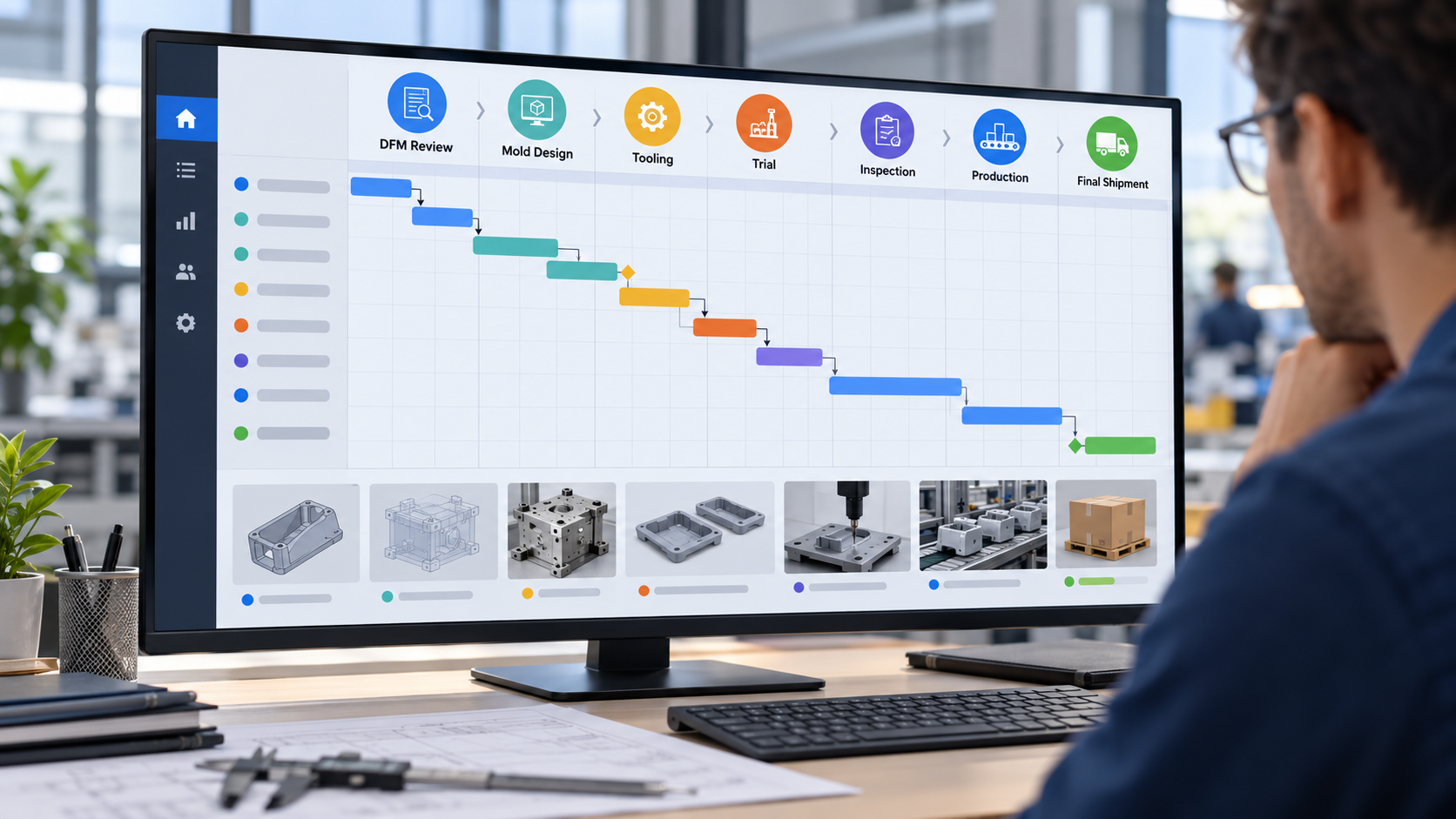
Finding the right manufacturing partner for high-performance polymers requires a deep dive into engineering controls. Let us break down the exact technical parameters and process verifications you need before requesting a quotation.
What Is PEEK Injection Molding in Practical Engineering Terms?
Do you need extreme heat resistance and strength, but worry about high material costs? Choosing the wrong processing parameters can ruin expensive resin and ruin your project budget.
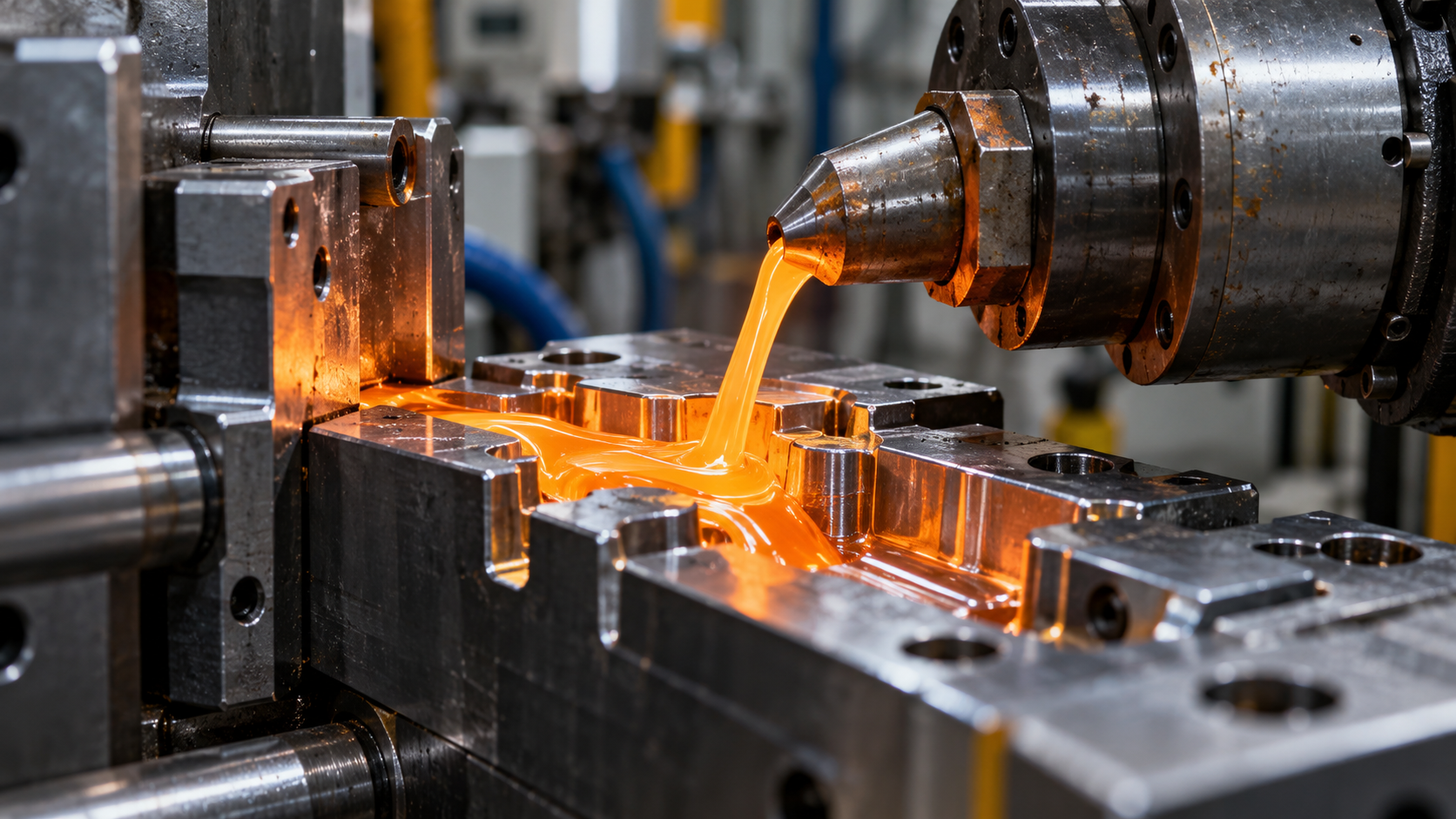
PEEK injection molding is a high-temperature thermoplastic process that converts Polyetheretherketone resin into dense, semi-crystalline components. It demands melt temperatures up to 400°C and mold temperatures near 200°C to achieve full mechanical performance.

Understanding PEEK Processing Fundamentals
PEEK belongs to the PAEK family of ultra-performance polymers. Processing PEEK requires specialized equipment that can withstand continuous elevated heat without thermal degradation. Standard molding setups simply cannot maintain the thermal uniformities required for this material.
| Processing Parameter | Standard Thermoplastic (e.g., ABS/PC) | PEEK (Polyetheretherketone) |
|---|---|---|
| Melt Temperature | 200°C – 260°C | 360°C – 400°C |
| Mold Temperature | 50°C – 80°C | 170°C – 200°C |
| Dryer Requirement | Standard Desiccant (80°C) | High-Temp Desiccant (150°C) |
When I analyze new projects at KENVOX, I always review the thermal limits of our barrels and heaters first. Standard machines fail because their heaters cannot hold 390°C cleanly across the entire barrel length. You need specialized ceramic heater bands and heavy insulation packages on the machine. Without precise barrel controls, PEEK undergoes thermal degradation or freezes inside the nozzle, leading to costly downtime and weak parts.
Why Is PEEK Harder to Mold Than Standard Thermoplastics?
Are your molded PEEK parts warping, shrinking unpredictably, or failing stress tests? Uncontrolled thermal shifts during cooling create hidden internal stress and ruin tight tolerances.
PEEK is harder to mold because its high melt viscosity and fast crystallization rate require extreme processing temperatures. Improper mold heating prevents full crystallization, causing warpage, dimensional drift, and lost chemical resistance.
Managing Viscosity and Crystallinity
PEEK flows like thick syrup even at 380°C. High viscosity requires high injection pressures and fast injection speeds to fill thin walls before the material freezes in the runner system.
Mold Temperature Impact on PEEK Properties
- Underheated Molds (<150°C): Result in amorphous, dark-brown parts with low chemical resistance and low yield strength.
- Properly Heated Molds (170°C–200°C): Yield opaque, beige parts with optimal crystallization and maximum tensile properties.
- Non-Uniform Mold Cooling: Causes severe part warpage, post-mold dimensional shift, and internal mechanical stress.
During one complex electronics project, I saw parts warp right after ejection because the mold oil heater could not maintain 180°C uniformly. The tool had cold spots across the core side. Once we switched to a high-capacity thermal oil unit with isolated heating zones, the parts cooled evenly, and the warpage disappeared.
Which Process Variables Should You Establish and Monitor?
Are you losing track of critical machine settings during long production runs? Small temperature drifts can quietly ruin the physical properties of your high-cost parts.
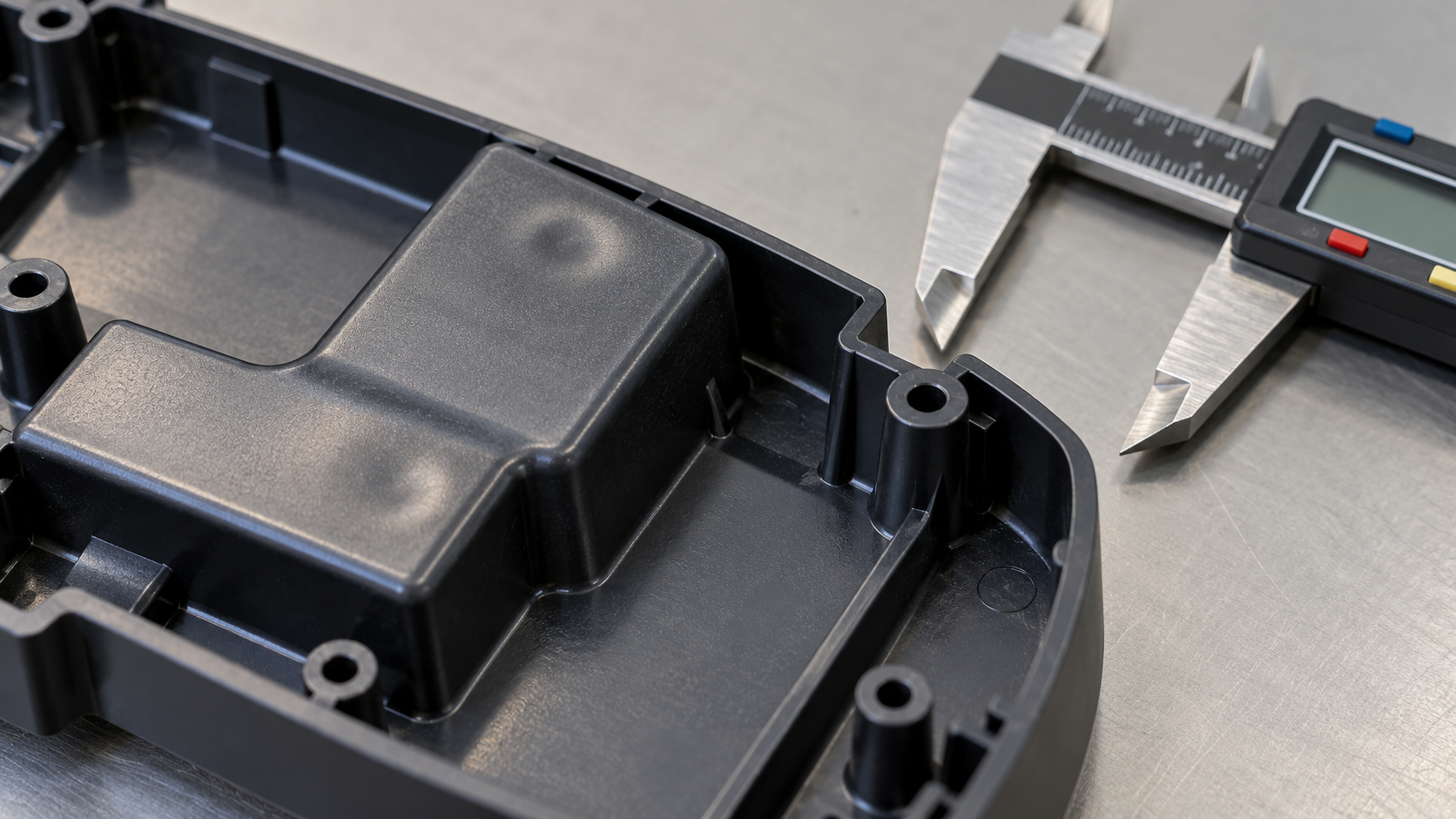
You must establish and monitor barrel temperature profiles, mold surface temperatures, drying parameters, and injection velocity profiles. Real-time monitoring of these variables prevents internal voids, sink marks, and premature component failure.
Critical Processing Variables for PEEK
Monitoring melt state and drying discipline is essential when working with PEEK. Moisture in the raw pellet causes hydrolysis at 380°C, breaking polymer chains and destroying mechanical strength.
| Process Variable | Target Specification | Monitoring Method |
|---|---|---|
| Resin Moisture Content | Below 0.02% by weight | Loss-on-drying moisture analyzer |
| Drying Temperature & Time | 150°C for 3 to 4 hours | Automated hopper dryer logging |
| Mold Temperature | 170°C – 200°C continuous | Surface pyrometer & multi-zone sensors |
| Injection Pressure | 1,000 – 2,000 bar | Real-time cavity pressure transducers |
I strictly enforce a moisture check before loading resin into our machine hoppers. Even if the dryer readout shows 150°C, I want physical proof from a moisture analyzer. Skipping this step leads to splay, brittle parts, and wasted material.
How Do You Separate Machine Settings from Material and Mold Behavior?
Is your engineering team struggling to pinpoint the root cause of unexpected dimensional changes? Blaming the injection machine for mold or material issues wastes time and increases scrap.
Separate machine settings from material and mold behavior by conducting decoupled molding trials and systematic pressure studies. Isolate velocity control from pressure hold to identify whether variations stem from machine dynamics, resin viscosity, or tooling thermal drift.
Root Cause Analysis in PEEK Molding
When dimensions drift, inexperienced operators often change machine hold pressure right away. This simple reaction often hides the true root cause and creates bigger quality issues later.
Isolating Molding Variables
- Material Behavior: Test melt flow index (MFI) variations between resin batches to rule out raw material viscosity changes.
- Mold Behavior: Inspect thermal imaging maps of the tool to verify heat distribution and check for mechanical wear on slide actions.
- Machine Performance: Use linear transducers and pressure sensors to verify that fill speed and switchover points remain stable across shifts.
I remember a project where part thickness began drifting past drawing tolerances after four hours of continuous running. The operator kept increasing packing pressure, but the real issue was oil thermal expansion in the mold plates. Once we decoupled the fill speed from the pack pressure and stabilized the tool temperature, the dimensions snapped back into specification without touching machine pressure settings.
What Evidence Shows the Process Is Repeatable?
Can your mold supplier prove their manufacturing process is stable over large batch runs? Relying on trust instead of objective statistical evidence leads to expensive field failures.
Proof of process repeatability comes from capability study data like Cpk and Ppk, real-time cavity pressure curves, and lot validation records. True capability requires consistent Cpk values above 1.33 across multiple material lots.
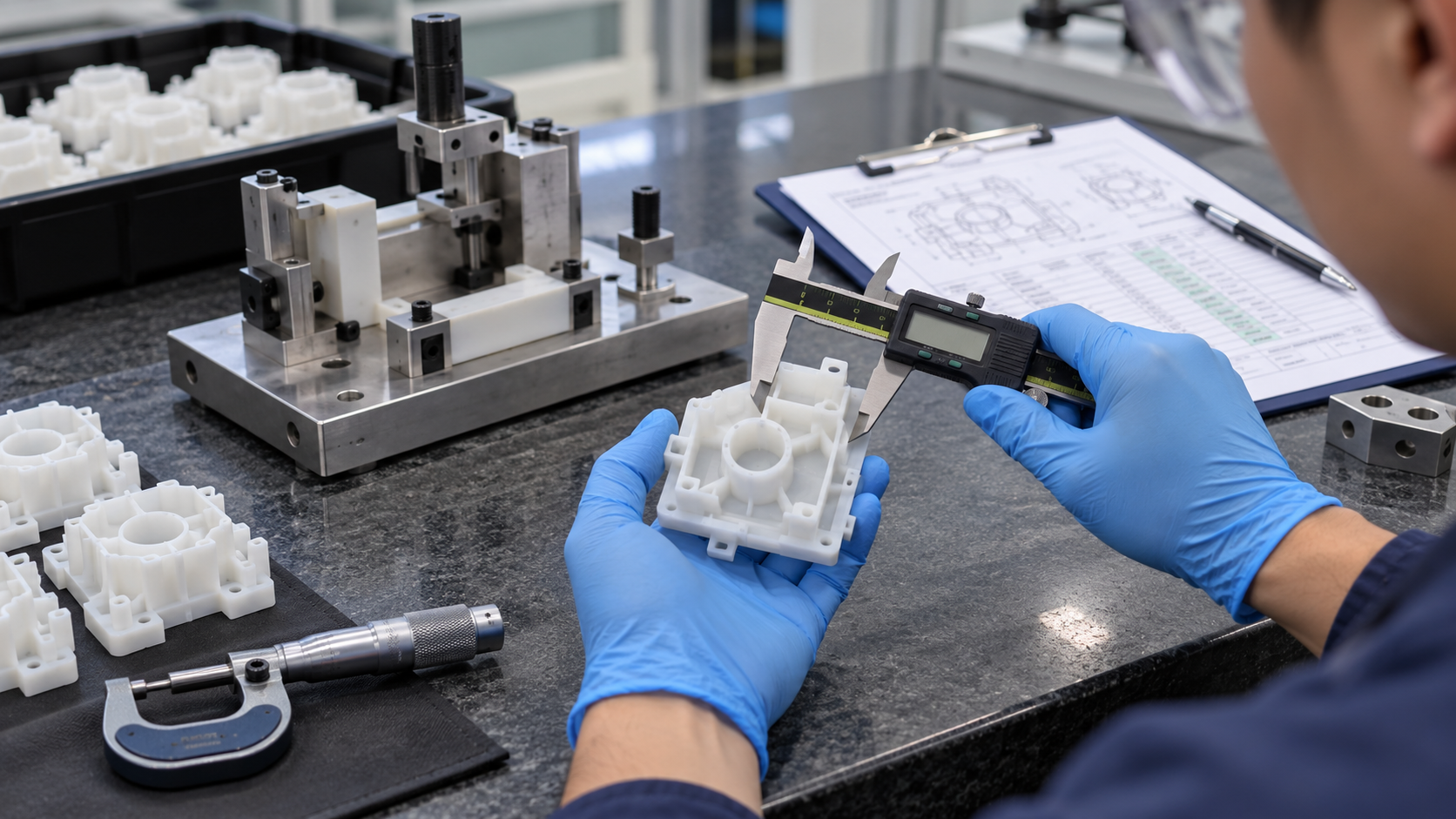
Key Process Validation Records
Demanding raw data from suppliers ensures that quality is built into the manufacturing process rather than checked at the end.
| Validation Record | Purpose | Minimum Acceptable Standard |
|---|---|---|
| Cpk / Ppk Study | Verifies key dimension repeatability | Cpk ≥ 1.33 (Critical features) |
| Cavity Pressure Logs | Verifies part packing consistency | Matching baseline pressure curves |
| Differential Scanning Calorimetry (DSC) | Confirms full part crystallinity | Degree of crystallinity > 30% |
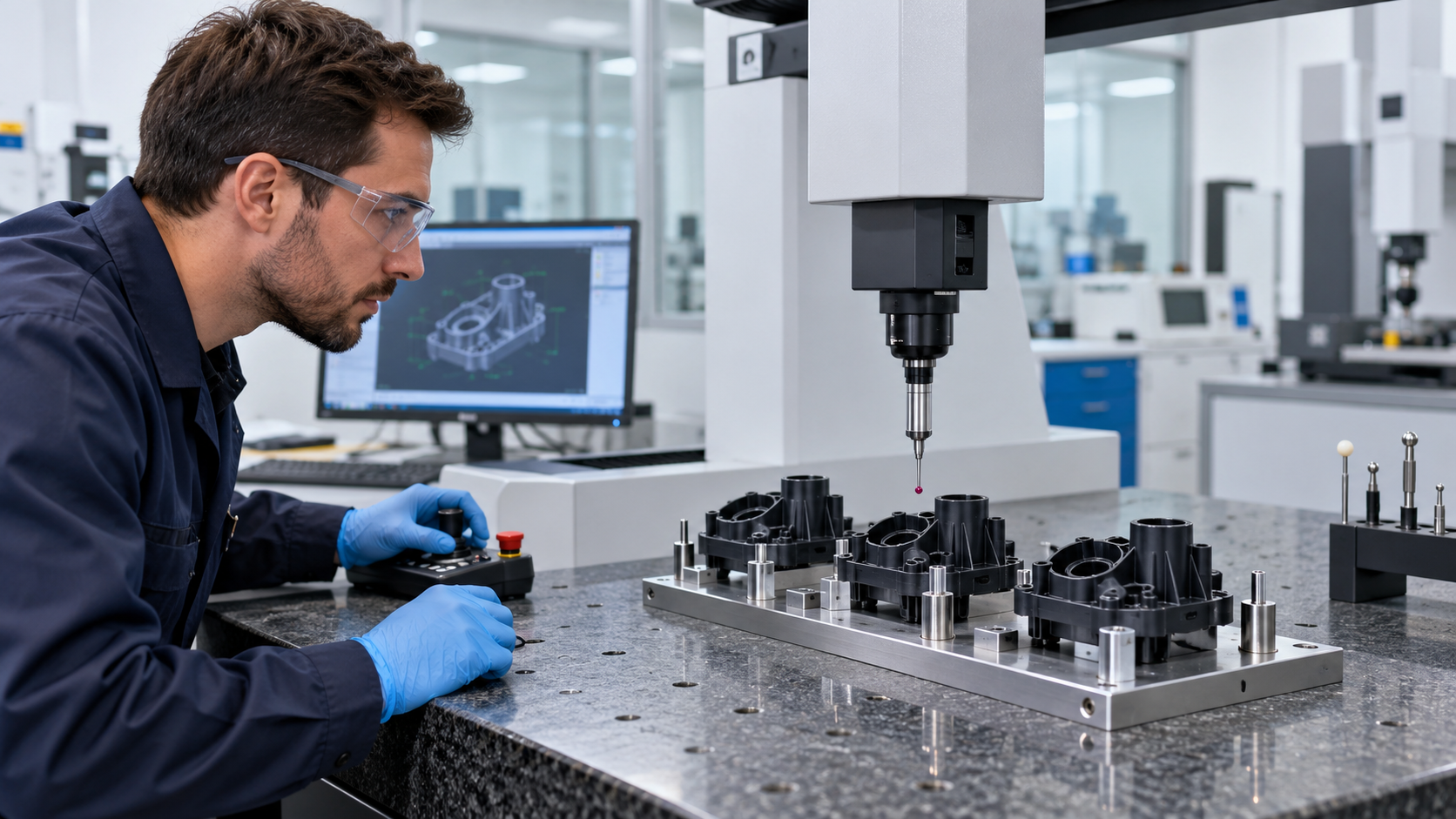
At KENVOX, we provide our clients with full Cpk reports and CMM inspection data for critical dimensions. Showing full crystallinity verification gives our customers confidence that their parts can endure high-stress working environments without degrading.
Which Common Shortcuts Create False Confidence?
Are you trusting initial sample approvals without checking long-term process capability? Early success with hand-picked samples often hides severe production risks.
Skipping resin drying logs, judging quality solely from first articles, and ignoring tool thermal maps create false confidence. These shortcuts mask batch variation, hidden stress, and high long-term defect rates.
CMM Inspection and Testing of Molded PEEK Parts
Dangerous Pitfalls in PEEK Manufacturing
It is easy to get a good-looking part off a cold mold if you pump up the hold pressure. However, that part will fail as soon as it meets high operating temperatures or harsh solvents in the field.
Common Shortcuts to Avoid
- Judging by First Articles: First article inspection only proves the mold can make one good part under ideal conditions, not thousands under real conditions.
- Ignoring Tool Thermal Imaging: Relying on machine oil readouts instead of direct surface temperature measurement hides cold zones in the mold cavity.
- Skipping Post-Mold Annealing Analysis: Assuming parts are fully crystallized without thermal testing leads to catastrophic premature cracking.
I once evaluated a project where a customer brought us a failed PEEK gear made by another vendor. The gear looked visually perfect, but it shattered under light loads. We ran a thermal test and found the crystallinity was far below normal because the previous shop ran the mold too cold to shorten cycle times. Doing that saved them five seconds per cycle, but it ruined the part performance.
What Should You Verify Before Requesting a Quotation?
Are you ready to submit your project files for an accurate manufacturing quote? Missing engineering details leads to budget overruns and unexpected redesigns.
Before requesting a quotation, verify your 2D and 3D drawings, target material grade, tolerance expectations, operating environment, and annual volume requirements. Providing complete data allows engineers to evaluate mold feasibility accurately.

Request for Quotation (RFQ) Checklist
Preparing detailed engineering requirements upfront speeds up the quoting process and prevents misunderstandings later.
| Verification Item | Required Details | Why It Matters |
|---|---|---|
| Material Grade | Exact PEEK grade (e.g., unfilled, 30% glass-filled, 30% carbon-filled) | Governs mold shrinkage rates and wear resistance requirements |
| Critical Tolerances | Highlight dimensions tighter than ISO 2768-m | Determines tooling layout and steel selection (e.g., hardened steel) |
| Operating Environment | Continuous temperature, chemical exposure, load limits | Helps engineers suggest suitable gate locations and annealing needs |
| Projected Volumes | Sample run size and annual production volume | Dictates single-cavity vs multi-cavity tool design strategy |
Whenever I review an RFQ package at KENVOX, the first thing I check is the shrinkage allowance applied to the model. Filled PEEK grades shrink differently along the flow direction compared to cross-flow. Defining exact material grades and critical features right at the start lets us optimize the tool design before cutting steel.
Frequently Asked Questions
Do you still have questions about optimizing your high-performance molding projects? Here are fast answers to key processing concerns.
FAQ Summary
- Can you mold PEEK on standard injection molding machines?
Yes, but only if the machine has barrel heaters capable of reaching 400°C, specialized insulation, and a high-temperature thermal oil unit for the mold. - Why is PEEK mold temperature set so high?
High mold temperatures (170°C to 200°C) allow the polymer molecules to align and crystallize fully, unlocking maximum heat and chemical resistance. - What is the typical shrinkage rate for PEEK?
Unfilled PEEK shrinks around 1.0% to 1.5%, while glass-filled or carbon-filled PEEK shrinks around 0.2% to 0.6% along the flow line. - How do you prevent voids in thick PEEK sections?
Use generous gate sizes, proper pack pressures, extended hold times, and optimized wall transitions to ensure the core stays packed during cooling.
Conclusion
Evaluating PEEK molding manufacturers requires verifying high-temperature equipment capabilities, strict moisture control, robust process validation records, and comprehensive design reviews before requesting a quotation.