


Is Silicone Biocompatible? Everything You Need to Know About Medical-Grade Safety?
Are you designing a medical device or wearable but worry about material rejection? Choosing the wrong polymer can ruin your product development and trigger severe skin reactions or strict regulatory failure.
Yes, high-quality silicone is highly biocompatible. It does not react with human tissue, cause toxic responses, or trigger the immune system. Because it is chemically inert, flexible, and heat-resistant, it remains the gold-standard material for implants, medical devices, and skin-contact wearables.
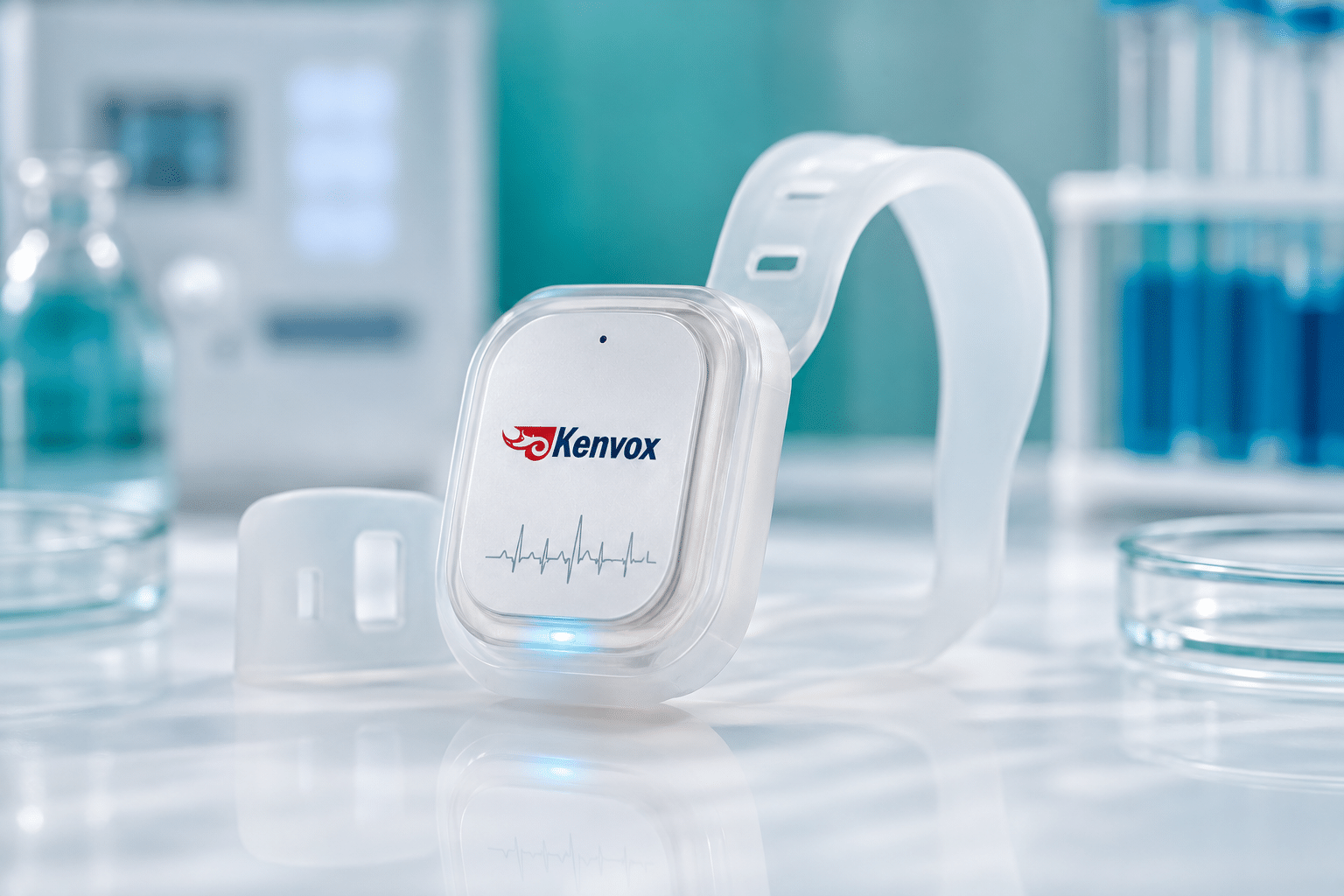
I have spent years managing complex mold projects, and I see designers mix up standard silicone with medical-grade options all the time. Let us look at the facts so you can choose the right material for your next project without making costly mistakes.
Is 100% medical-grade silicone safe?
Do you think all silicones labeled as safe are actually equal? Using a standard food-grade or industrial-grade silicone in a medical application can leach harmful chemicals and cause serious manufacturing safety hazards.
Yes, 100% medical-grade silicone is entirely safe for human contact. It contains no heavy metals, plasticizers, or hazardous fillers that could bleed out into the body. It passes strict bio-evaluation tests, making it safe for long-term implantation and everyday skin contact.
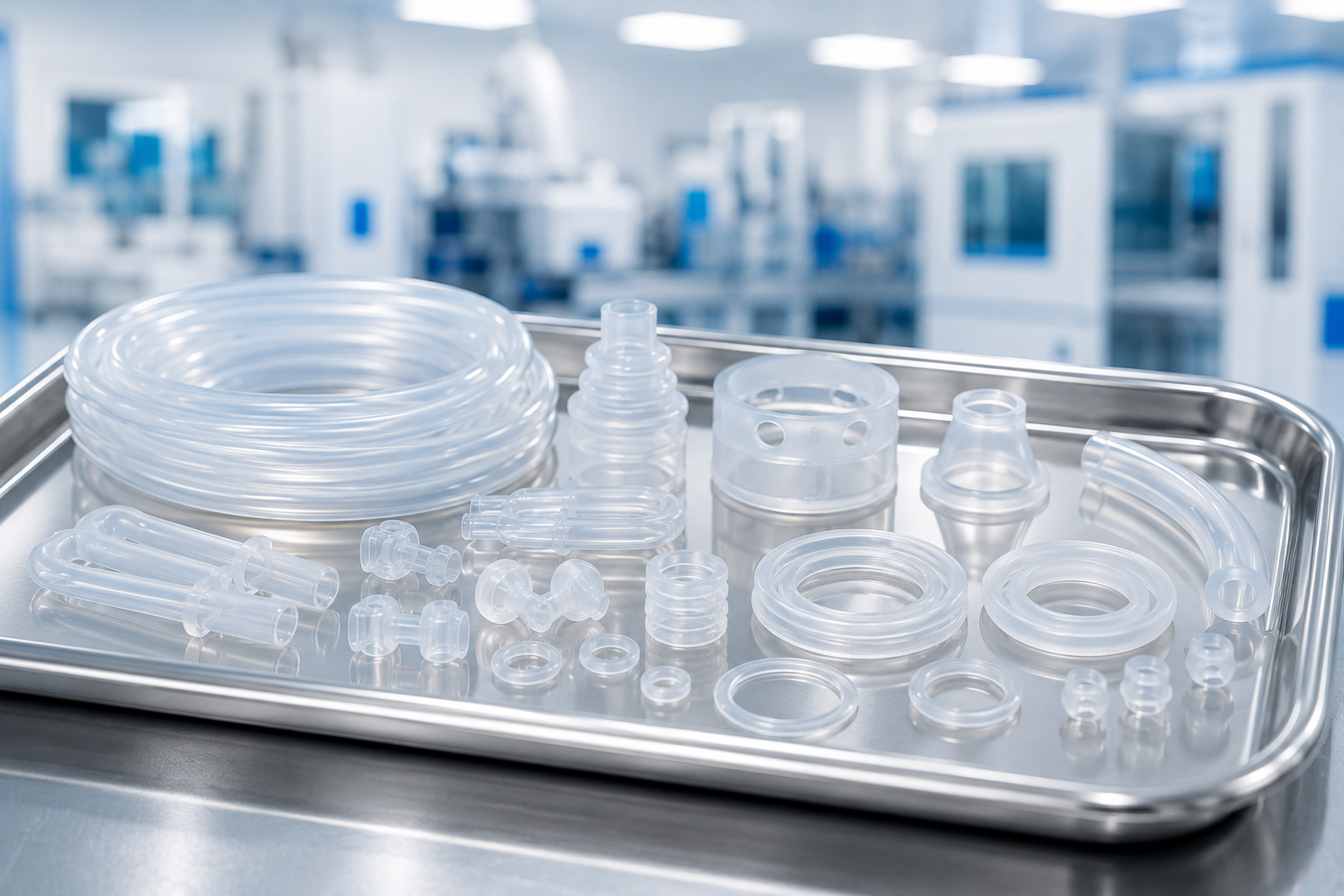
Understanding Platinum-Cured vs Peroxide-Cured Systems
To really understand why medical-grade silicone is safe, we need to look at how it is made. In our molding facilities at KENVOX, we deal with two primary types of curing systems: peroxide cure and platinum cure. The curing method changes the final purity of the material completely.
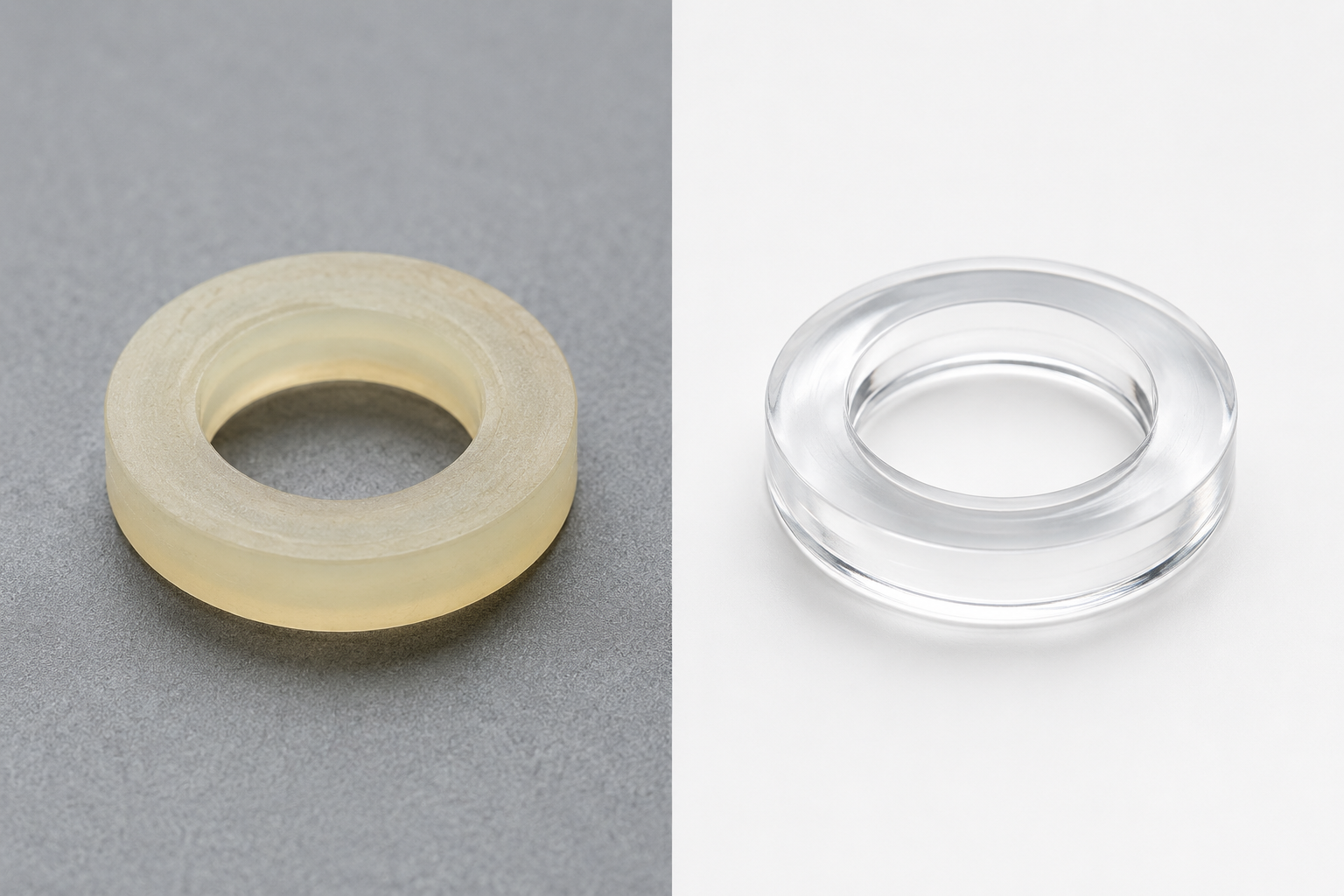
Peroxide-cured silicone is fine for industrial parts, but it leaves behind chemical byproducts like acid and volatile organic compounds. Platinum-cured silicone uses a catalyst that leaves zero byproducts. This is what we use for medical applications.
Key Safety Differences
| Characteristic | Peroxide-Cured Silicone | Platinum-Cured (Medical-Grade) |
|---|---|---|
| Byproducts | Contains acids and volatiles | None |
| Purity Level | Low to medium | Extremely high |
| Clarity | Can be hazy | Completely transparent |
| Application | Gaskets, industrial seals | Implants, tubes, wearables |
When we run Liquid Silicone Rubber (LSR) injection molding for medical clients, we use platinum-cured material in a clean-room environment. This steps up the safety and ensures the part does not fail compliance.
Is silicone a biocompatible material?
Are you unsure if your product material will cause toxic reactions or skin irritation? Selecting a non-biocompatible material can lead to painful tissue inflammation, costly product recalls, and massive legal liability.
Yes, silicone is inherently biocompatible because its molecular backbone consists of strong silicon-oxygen bonds. This structure makes the material chemically inert, meaning it does not react with bodily fluids, break down under biological stress, or cause harmful immune responses.
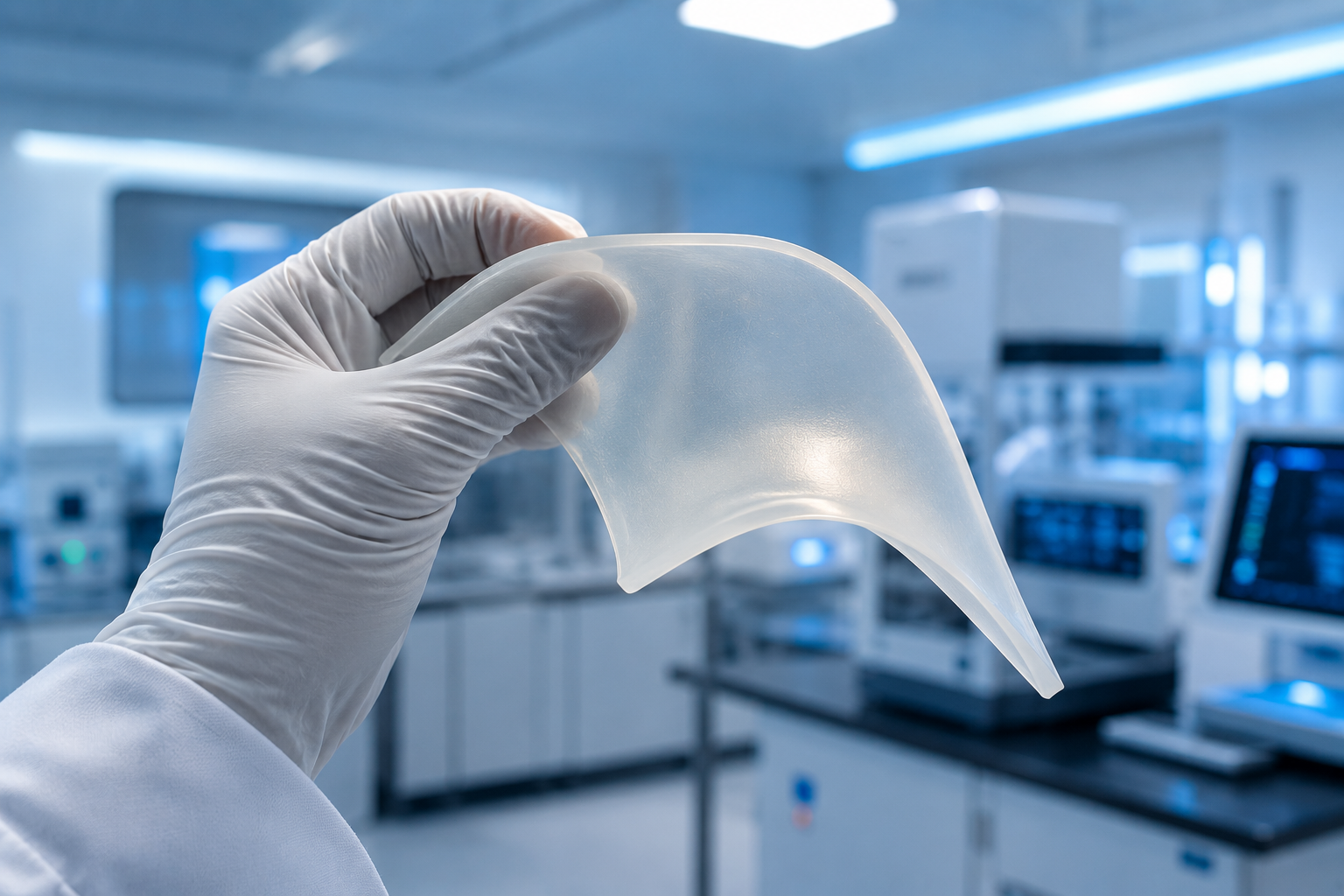
Why Silicone Adapts to the Human Body
Silicone works well with living tissue because it mimics the flexibility of human soft tissue while remaining completely stable. It does not support bacterial growth, which is a massive win for medical tools.
Core Biocompatibility Factors
Chemical Inertness
The silicon-oxygen chain is incredibly strong. It does not degrade when exposed to enzymes, blood, or daily sweat.
Non-Allergic Properties
Silicone does not contain latex proteins or chemical softeners. This reduces skin irritation risks to almost zero.
Sterilization Tolerance
Medical devices must be sterilized. Silicone handles autoclaving, ethylene oxide (EtO), and gamma radiation without losing its shape or mechanical properties.
At KENVOX, I often help design firms choose between plastic overmolding and custom silicone compression molding. If the part touches human skin for hours, like a smart watch band or a respiratory mask, silicone is always the superior choice for user comfort and health safety.
Is medical-grade silicone regulated?
Are you ready to launch your new medical product but feel overwhelmed by compliance? Skipping regulatory verification can stop your product at customs, lead to huge fines, and permanently ban your brand from the market.
Yes, medical-grade silicone is highly regulated by international bodies. Raw material suppliers must pass rigorous laboratory screening, including USP Class VI standards and ISO 10993 testing, to prove the material is completely non-toxic and safe for medical deployment.
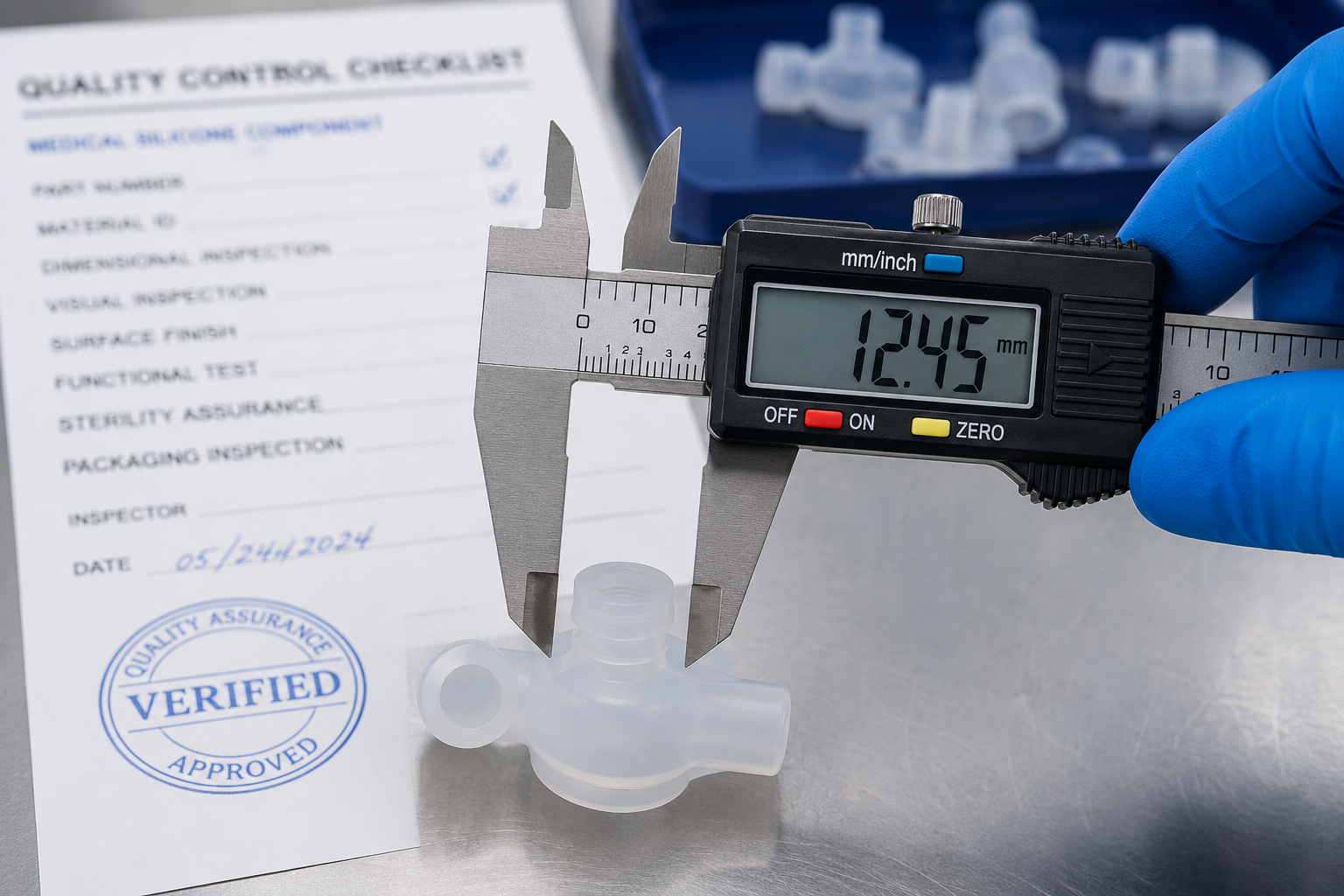
Deciphering Regulatory Compliance
Navigating medical regulations is tough, but it helps to know the two major standards. First, we have the United States Pharmacopeia (USP) guidelines, where Class VI is the highest certification level for plastics and silicones. Second, we have the international ISO 10993 standard.
Critical Regulatory Tests
| Test Standard | What It Measures | Target Application |
|---|---|---|
| USP Class VI | Systemic toxicity and tissue reaction in animals | Medical device components |
| ISO 10993-5 | Cytotoxicity (cell damage and cell death) | All medical skin/tissue contact |
| ISO 10993-10 | Irritation and skin sensitization | Wearables, surgical tools |
When we handle supply chain and project operations, we coordinate with vetted suppliers to ensure all material certifications are ready. If your product needs FDA or CE marks, your manufacturing partner must provide full traceability for the silicone raw material from start to finish.
What’s the difference between silicone and medical-grade silicone?
Do you think buy-it-cheap silicone from a random supplier will work for your high-end device? Using low-grade silicone exposes your customers to toxic fillers and causes your molds to wear out quickly due to material inconsistencies.
The main difference lies in purity, manufacturing control, and testing. Standard silicone often contains fillers, oils, and chemical pigments for color, while medical-grade silicone uses pure platinum-cured polymers processed in controlled clean rooms to eliminate all risk of contamination.
The Cost of Saving on Raw Materials
I always tell clients that saving a few cents on raw material can cost thousands later. Standard silicone is great for kitchen spatulas or industrial gaskets, but it has looser manufacturing tolerances.
Medical-grade silicone undergoes strict quality control. The production lines are washed down to prevent cross-contamination. This level of care ensures every single batch performs exactly the same way during injection molding.
Comparison of Material Grades
| Feature | Standard Industrial Silicone | Medical-Grade Silicone |
|---|---|---|
| Catalyst Used | Usually Peroxide | Always Platinum |
| Fillers Allowed | Yes (clay, silica fillers) | No (ultra-pure silica only) |
| Production Area | Standard factory floor | Certified Clean Room |
| Traceability | Limited or none | Full batch history |
At KENVOX, our facilities in Dongguan and Vietnam utilize over 60 silicone machines. We isolate our medical projects to ensure no industrial dust touches the clean parts, maintaining the exact material integrity your design demands.
Conclusion
Silicone is highly biocompatible, safe, and regulated. Choosing high-purity, platinum-cured medical silicone ensures product safety, passes strict international audits, and protects your end users effectively.