


Are you losing sleep over rising production costs and delayed product launches? Many hardware founders risk their budget on bad factory partnerships. I share the exact steps to build your supply chain safely.
Contract manufacturing in China is a turnkey production model where overseas brands hire vetted Chinese factories to handle tooling, plastic injection, metal stamping, assembly, and packaging. It gives businesses rapid scalability, full supply chain integration, lower piece costs, and fast tooling turnaround under strict international quality management standards.
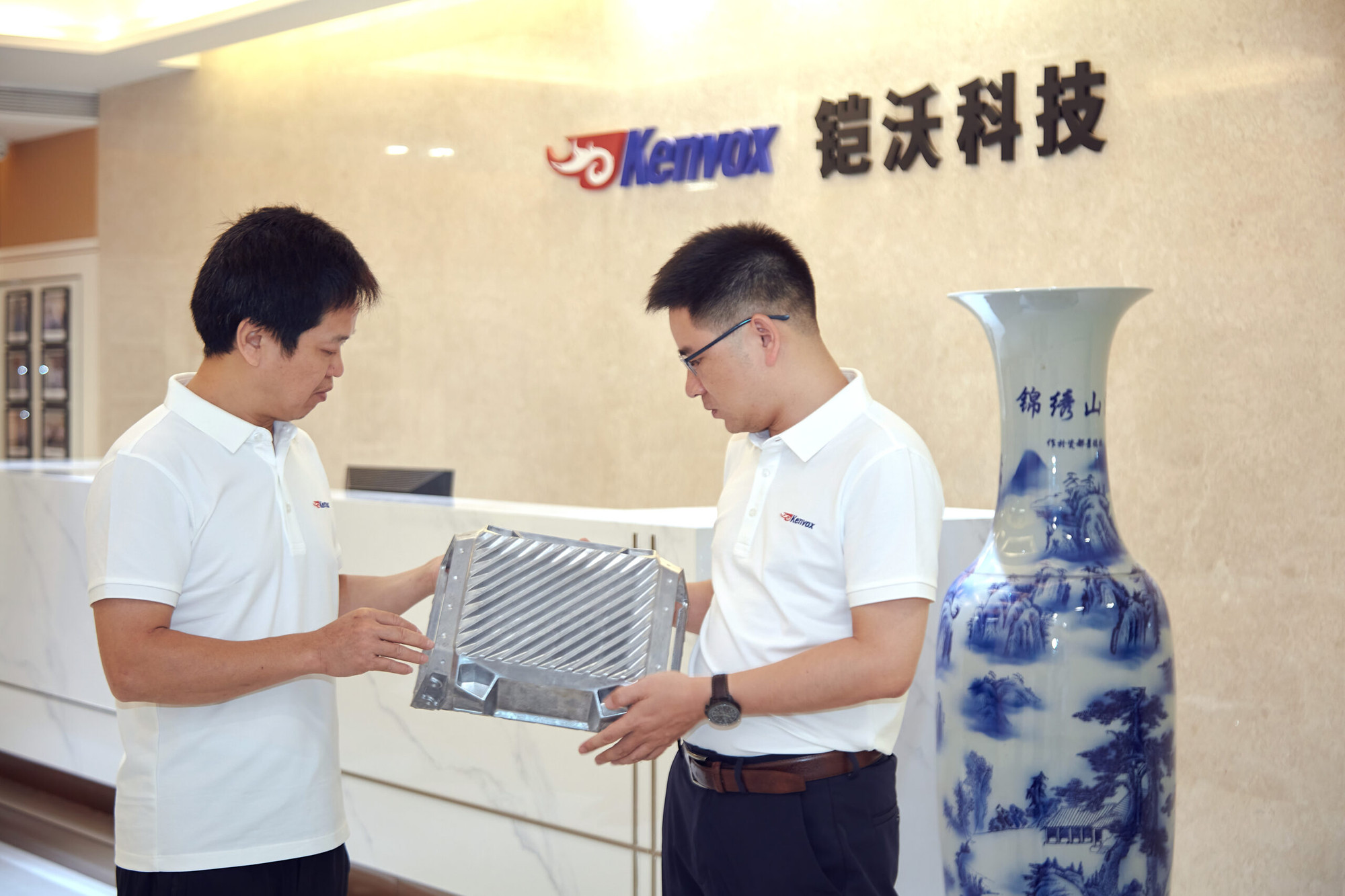
I have spent decades on the factory floor building custom tooling and molding parts for global brands. You cannot afford mistakes with your tooling budget, so let us walk through every critical detail together.
Why Choose China for Contract Manufacturing?
Do high domestic production costs and rigid factory lead times stop your product development? Working with limited local suppliers drains your capital. Partnering with Chinese factories gives you immediate scale and technical speed.
China remains the global leader for contract manufacturing because of its complete supply chain ecosystem, rapid tooling turnarounds, mature industrial clusters in regions like Guangdong, and deep technical engineering talent that quickly adapts designs for mass production.

Unmatched Ecosystem Speed and Depth
I remember when an American client came to our Dongguan facility with an urgent consumer electronics deadline. His local domestic supplier needed twenty weeks just to cut the preliminary steel tooling. We completed the full DFM analysis, cut high-precision injection molds, ran T1 samples, and started mass assembly in just six weeks. China is not simply about cheap manual labor anymore. It offers a dense industrial cluster where you find raw plastic resins, custom screws, silicone gaskets, and packaging boxes on the exact same street. When you build a multi-part assembly, you do not wait weeks for parts to ship across oceans. Everything happens within a ten-mile radius.
| Manufacturing Metric | China Ecosystem | Western Domestic Hubs |
|---|---|---|
| Tooling Lead Time | 3 to 6 weeks | 12 to 24 weeks |
| Component Sourcing Speed | Same-day local pickup | Multi-week transit |
| Engineering Support Scale | Dedicated project teams | Limited engineering hours |
| Production Flexibility | Rapid line scaling | Rigid shift schedules |
How Do You Find the Right Manufacturer in China?
Are you tired of dealing with middleman trading brokers who pretend to own factories? Middlemen increase your unit costs and slow down urgent engineering changes. You need direct access to legitimate, capable manufacturing facilities.
To find the right Chinese manufacturer, search verified industrial platforms, request detailed factory audit reports, inspect real equipment lists, verify ISO certifications, and demand direct video calls with the technical engineering team on the shop floor.
Factory Direct Partnerships vs Trading Brokers
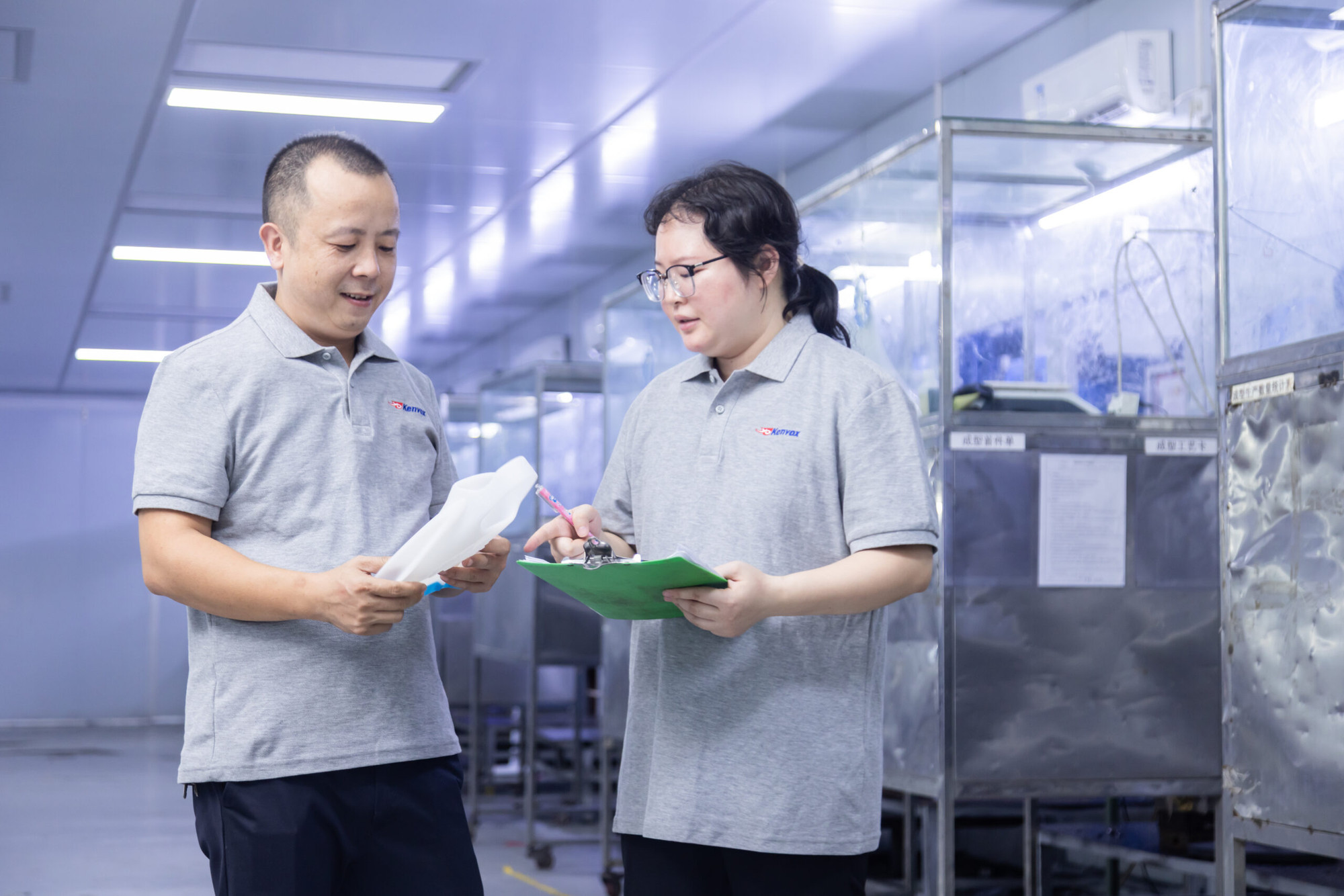
I always tell product designers to look past flashy sales brochures. When I walk through an unfamiliar facility, I look directly at the maintenance state of the machines and the tool shop organization. Many online sellers are simply brokers who rent an office and mark up production prices by thirty percent. You need a partner that owns modern CNC centers, EDM machines, and automated injection presses. Direct communication with the mold designer saves your project from fatal dimensional mistakes. Ask the factory for their equipment list, their machine tonnage range, and real photos of their quality lab before you share your CAD files.
| Selection Factor | Direct Contract Manufacturer | Generic Trading Broker |
|---|---|---|
| Technical Feedback | Instant DFM from mold engineers | Delayed messages via sales agents |
| Unit Pricing | Base factory pricing | Marked-up prices with hidden fees |
| Accountability | Direct floor responsibility | Deflection to unknown subcontractors |
| Facility Access | Open factory audits and visits | Reluctant to share real shop locations |
Which Quality Certifications Matter for Contract Manufacturing in China?
Are you worried about receiving defective parts that destroy your brand reputation? Subpar materials and inconsistent dimensions cause expensive product recalls. Verifying international quality certifications protects your investment before steel cutting begins.
The most critical certifications are ISO 9001 for general quality management systems, IATF 16949 for automotive-grade consistency, ISO 13485 for medical devices, and ISO 14001 for environmental management. These standards ensure rigorous traceability from raw materials to final packaging.
Implementing Real Process Control on the Line
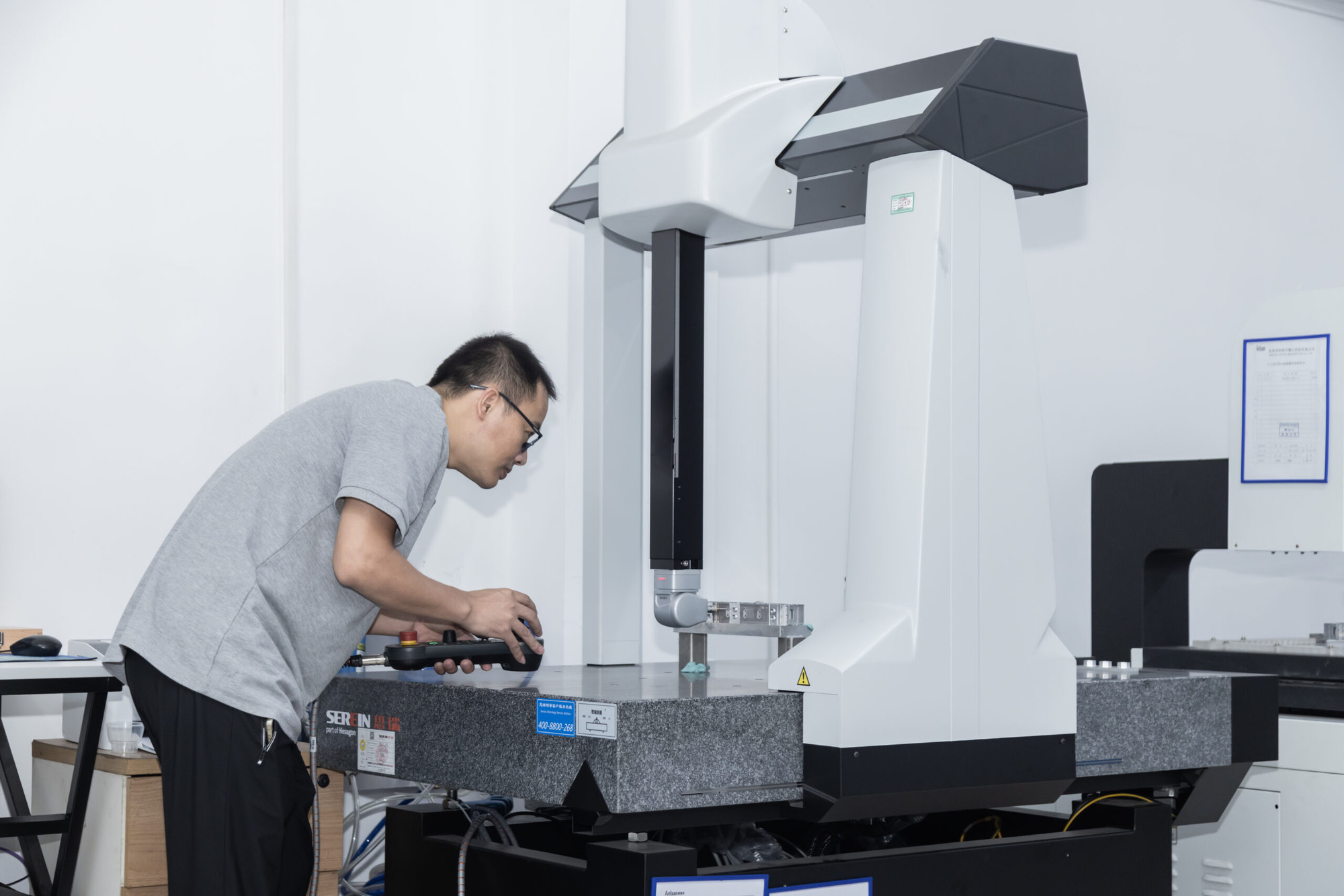
A framed certificate on an office wall does not guarantee quality parts. I have seen facilities buy certificates without training their staff on standard operating procedures. At our plants, we enforce incoming material inspections, in-process quality audits, and full coordinate measuring machine reports for every production batch. When you build complex plastic housings, you must track resin moisture, barrel temperature, mold cooling cycles, and clamp tonnage. You need a contract partner who uses digital ERP systems to record every lot number. Ask your manufacturer to show their real calibration records, control plans, and defect tracking logs before signing your contract.
| Quality Standard | Industry Target | Core Operational Benefit |
|---|---|---|
| ISO 9001:2015 | General Manufacturing | Standard operating procedure consistency |
| IATF 16949 | Automotive Components | Zero-defect methodology and risk prevention |
| ISO 14001 | Global Environmental | Safe chemical handling and waste management |
| Clean Room Class 10,000 | Medical and Optical | Controlled particulate levels for pure parts |
How Do You Overcome Communication and Language Barriers in China?
Does miscommunication delay your engineering schedule and ruin your part tolerances? Misunderstandings create costly tooling rework and push back your launch. Clear communication channels ensure your design intent turns into a perfect physical component.
Overcome language barriers by using annotated 2D engineering drawings, requesting detailed DFM reports, utilizing structured project management templates, and working with dedicated bilingual project engineers who possess hands-on mechanical tooling backgrounds.
Bridging Design Intent and Factory Execution
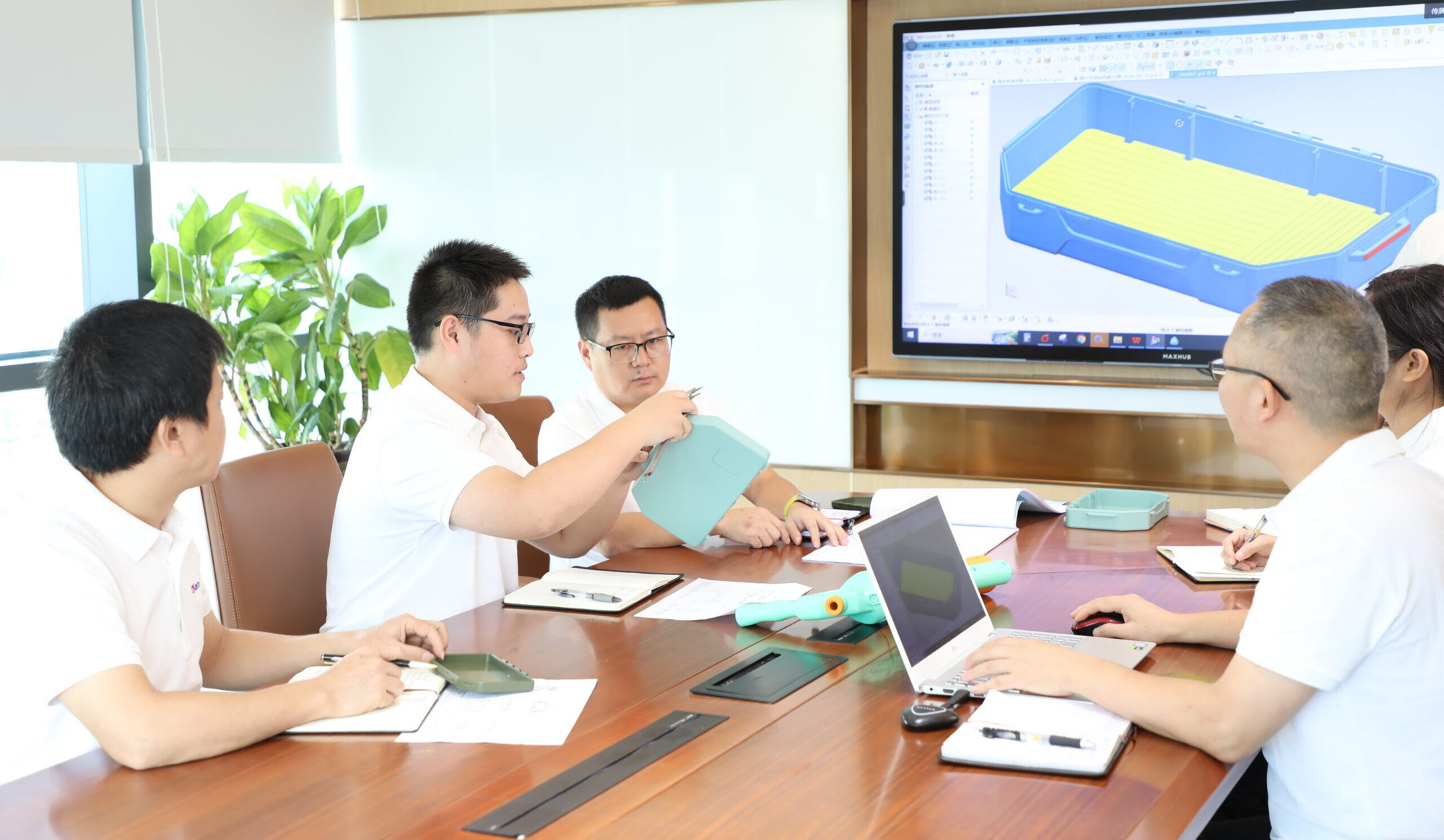
I learned early in my career that text emails cause confusion across time zones. When a designer in California writes that a surface should feel smooth, a factory technician might interpret that as basic polish. You must define measurable values like SPI mold finishes, Ra surface roughness values, and Pantone color codes. We assign dedicated project engineers who speak English and hold engineering degrees. They review your CAD files, run mold flow simulations, and highlight critical draft angles on annotated screen captures. When both sides work with visual data, language differences disappear, and you avoid costly tool modifications after the steel is hardened.
| Communication Method | Risk Level | Best Practice for Success |
|---|---|---|
| Text-Only Emails | High risk of error | Avoid vague descriptive words |
| 2D Drawings with GD&T | Very low risk | Define exact tolerances and datums |
| Video Reviews with Shared Screens | Minimum risk | Walk through DFM models step by step |
| Physical Golden Samples | Zero risk | Sign and seal reference parts for QC |
How Can You Protect Your Intellectual Property in China?
Are you afraid that someone will copy your product design and sell it online? Stolen designs can destroy your business before you launch. You can protect your valuable intellectual property by combining smart legal contracts with strategic manufacturing steps.
Protect your IP in China by signing bilingual NNN agreements governed by Chinese courts, registering your patents and trademarks locally in China, and splitting component manufacturing across separate suppliers so no single factory holds your complete product design.
Layering Legal and Operational Security
Many western companies make the mistake of using standard American non-disclosure agreements that Chinese courts cannot enforce. You need a proper Non-disclosure, Non-use, Non-circumvention agreement written in Chinese and governed by local jurisdiction. But legal contracts are only your first defensive wall. In our operations, we practice strict operational security. We sign non-disclosure agreements with all sub-suppliers, restrict access to mold storage areas, and manage assembly internally. You can also source your custom plastic housing from one factory, buy your electronic boards from another, and complete final assembly in a secured facility. This split strategy keeps your core product proprietary.
| Security Layer | Legal Action | Practical Execution |
|---|---|---|
| Legal Protection | China-focused NNN contract | Execute contract before sharing 3D CAD |
| Trademark Registration | CNIPA trademark filing | Register brand name in China immediately |
| Technical Division | Segmented bill of materials | Separate tooling shops from electronics |
| Operational Control | Proprietary firmware flashing | Burn code at final assembly or domestic hub |
How Does Logistics and Shipping Work for China Manufacturing?
Are high ocean freight rates, customs delays, and confusing shipping terms eating your profits? Shipping mistakes can strand your inventory at border ports for weeks. Mastering international shipping terms helps you move finished products smoothly into your warehouse.
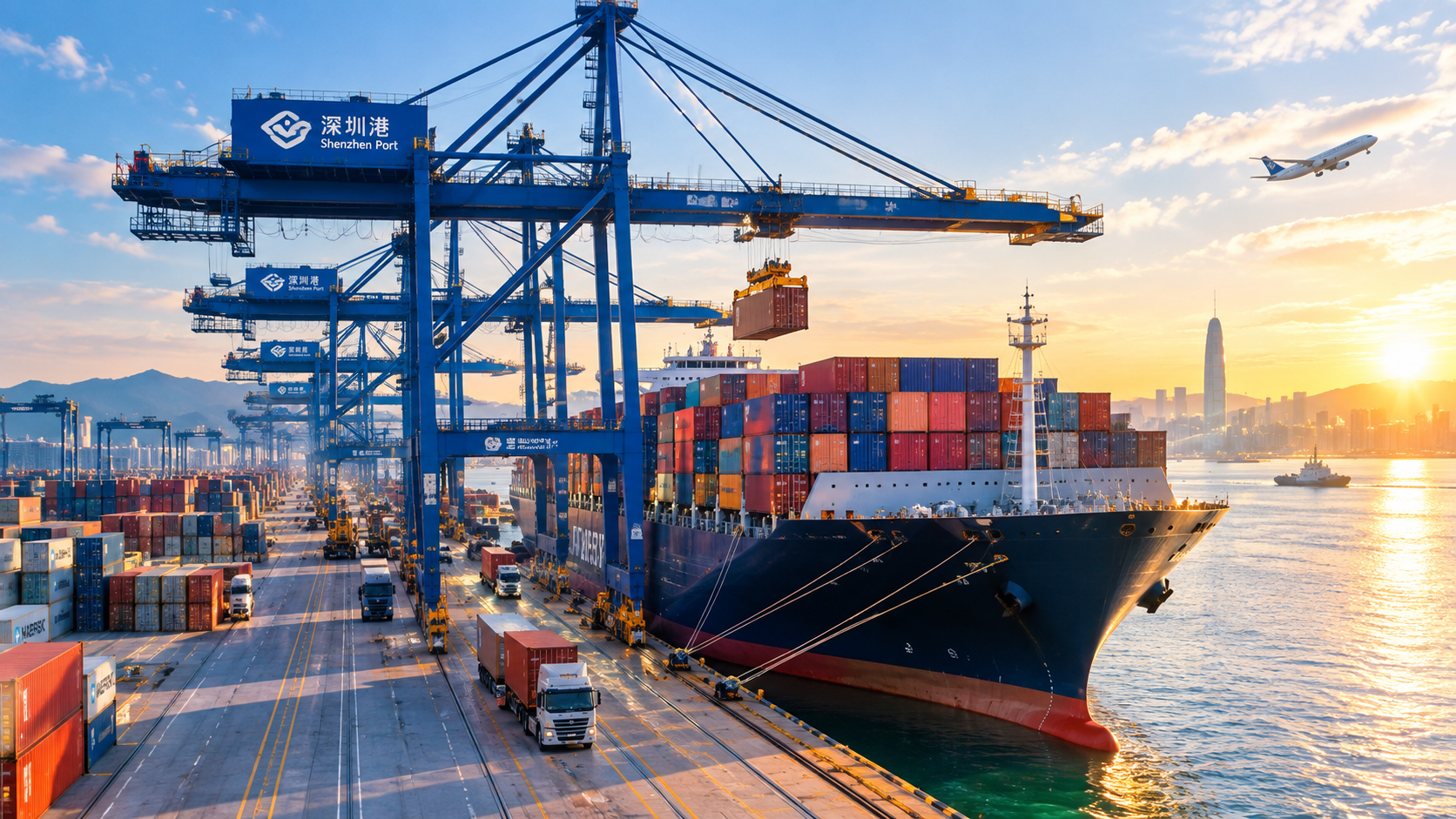
Logistics from China involves selecting clear Incoterms like EXW, FOB, or DDP, preparing export documentation, passing Chinese customs clearance, moving freight via ocean or air, and clearing destination country import duties with a licensed customs broker.
Selecting the Right Incoterms and Freight Modes
I remember a client who selected EXW terms without understanding that he was responsible for truck transit from our Huizhou factory to the Shenzhen port. He faced unexpected storage fees and customs hold-ups. For most foreign buyers, FOB terms offer the best balance of cost and control. Under FOB, your manufacturer handles local transport, export declarations, and port loading. Your freight forwarder then manages the ocean voyage and import clearance. For small production runs or urgent prototype parts, air express works best. For bulk mass production, ocean container shipping delivers the lowest unit freight cost.
| Shipping Option | Transit Time | Cost Level | Best Use Case |
|---|---|---|---|
| Air Express (DHL/FedEx) | 3 to 7 days | Highest cost | Prototypes, golden samples, urgent parts |
| Air Freight | 7 to 12 days | Medium-high cost | High-value, light consumer goods |
| Ocean FCL (Full Container) | 25 to 40 days | Most economical | High-volume mass production runs |
| Ocean LCL (Shared Container) | 30 to 45 days | Moderate cost | Small batch orders below 15 cubic meters |
How Does Manufacturing Cost Compare Between China, the US, and Vietnam?
Are you struggling to decide whether to manufacture your product in China, the US, or Vietnam? Choosing the wrong production region can wreck your profit margins. A clear cost comparison helps you select the best location for your product volume.
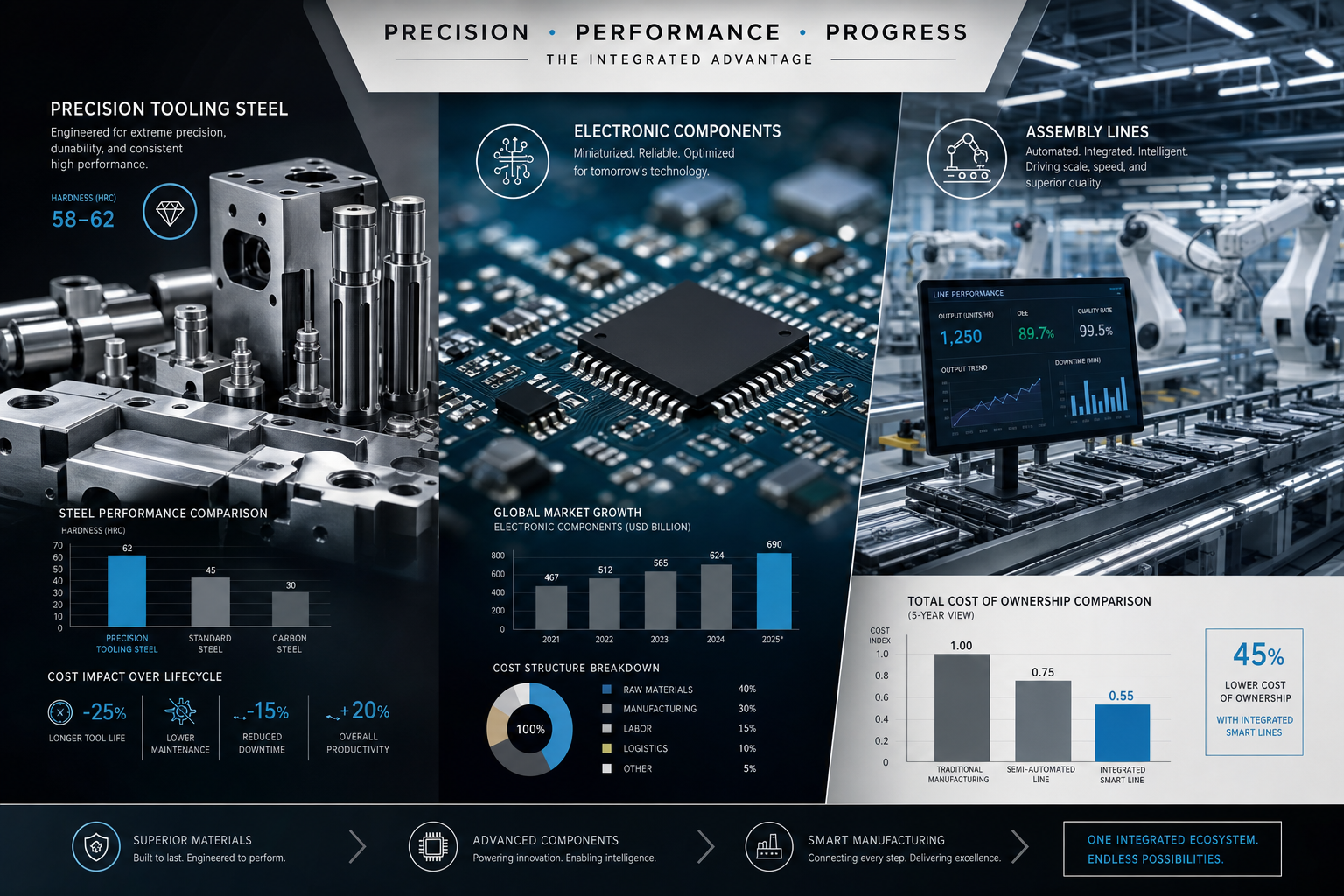
China offers the lowest tooling costs, fast delivery, and mature supply chains. The US provides minimal freight risk and low tariffs but carries high labor and tooling costs. Vietnam offers lower tariffs and cheaper labor but lacks deep raw material ecosystems.
Analyzing Total Landed Cost Factors
When evaluating manufacturing locations, you must look at total landed cost rather than hourly factory wages. An American tool shop might charge fifty thousand dollars for a multi-cavity injection mold that costs twelve thousand dollars in China. Vietnam has become attractive for labor-heavy assembly, but it still imports most mold steels, silicone materials, and custom fasteners from China. That reality adds extra transit time to your production schedule. We built operations in both China and Vietnam to give our clients the best of both worlds: rapid tooling and mold fabrication in China, paired with competitive assembly options in Vietnam to avoid heavy tariffs.
| Cost Driver | China | United States | Vietnam |
|---|---|---|---|
| Tooling and Mold Cost | Lowest (Baseline) | 3x to 5x higher | 1.2x to 1.5x higher |
| Skilled Labor Rates | Moderate | Highest | Lowest |
| Component Ecosystem | Complete and immediate | Fragmented | Developing (imports from China) |
| Import Tariffs to US | Section 301 tariffs apply | Zero domestic tariffs | Favorable tariff status |
What Can Real-World Case Studies Teach Us About China Manufacturing?
Are you wondering how other brands scale from early prototype concepts to millions of finished units? Reading theoretical guides does not show you real shop floor problems. Real-world case studies reveal the exact adjustments that guarantee production success.
Real case studies demonstrate that early Design for Manufacturability reviews, rigorous mold flow analysis, multi-stage sample testing (T0, T1, Golden Sample), and on-site assembly supervision prevent costly tooling scrap and ensure smooth mass market launches.
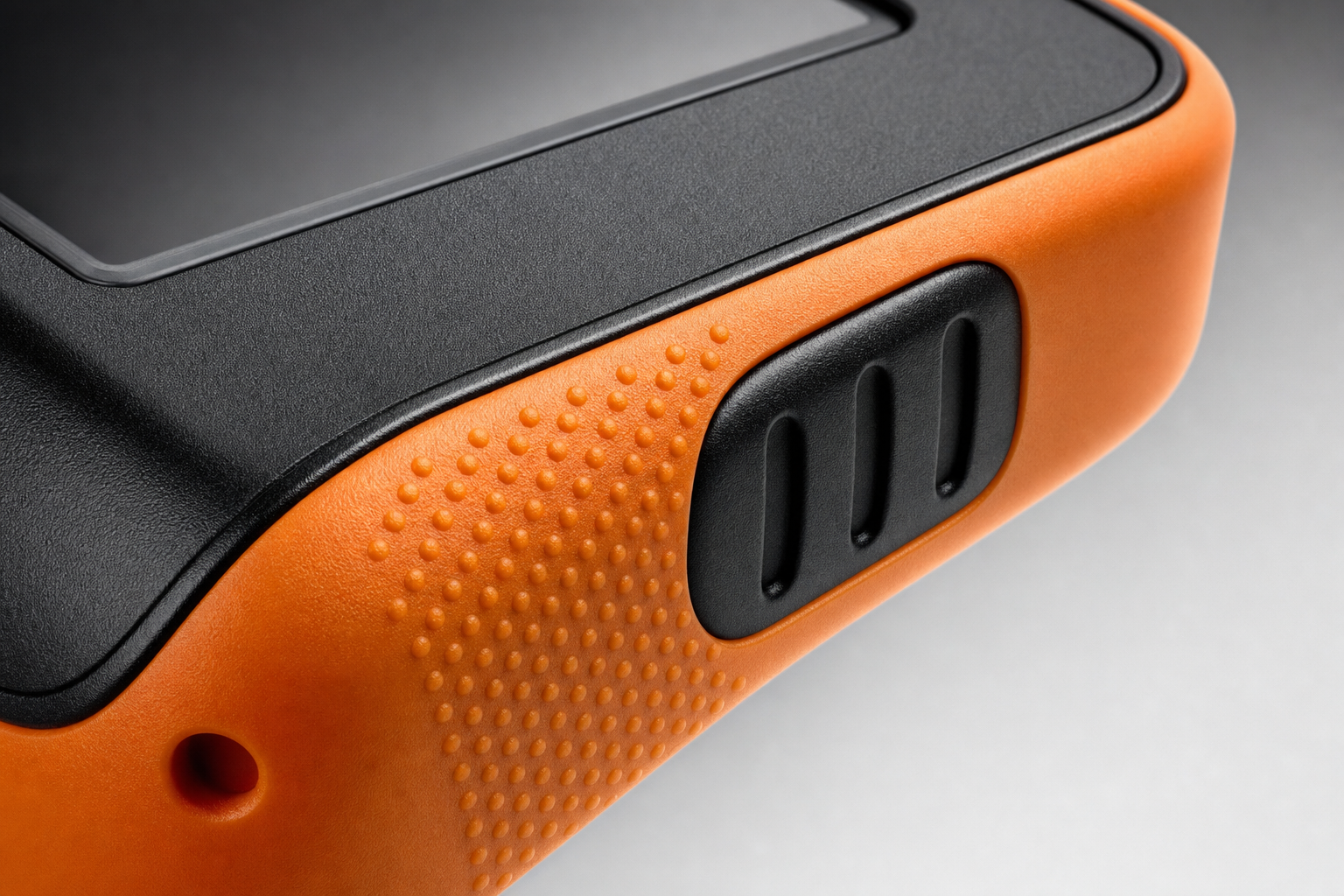
A consumer electronics customer approached our engineering team with a complex handheld enclosure design. The original concept required gluing a soft rubber grip onto an ABS plastic housing. This manual assembly approach caused high scrap rates and inconsistent waterproof seals during early tests. I suggested switching to a two-shot overmolding tool using hard polycarbonate and liquid silicone rubber. We redesigned the parting lines, optimized wall thicknesses to prevent sink marks, and built a custom two-shot injection mold. This single engineering change eliminated manual glue lines, dropped assembly costs by thirty-five percent, and helped the customer deliver two hundred thousand units on schedule.
| Project Stage | Engineering Challenge | Practical Solution | Measurable Result |
|---|---|---|---|
| DFM Phase | Uneven wall thickness and sink marks | Core-out ribs and draft additions | Prevented cosmetic sink marks |
| Tooling Phase | Liquid silicone flash at parting line | High-precision CNC and mirror EDM | Flash-free sealing surfaces |
| Production Phase | High manual assembly labor cost | Automated two-shot injection molding | 35% unit cost reduction |
| Packaging Phase | Surface scratching during sea transit | Custom thermoformed blister trays | Zero cosmetic transit damage |
How Do You Vet a Chinese Manufacturer Step by Step?
Are you nervous about sending thousands of dollars overseas to a factory you have never visited? Scams, poor workmanship, and hidden subcontractors are real risks. Following a systematic vetting checklist eliminates bad candidates and protects your cash.
Vet a Chinese manufacturer by checking their business license on government registries, reviewing past audit reports, requesting customer references, testing their technical feedback via a paid DFM trial, and hiring an independent third-party auditor to inspect their factory floor.
A Practical Four-Stage Factory Audit Plan
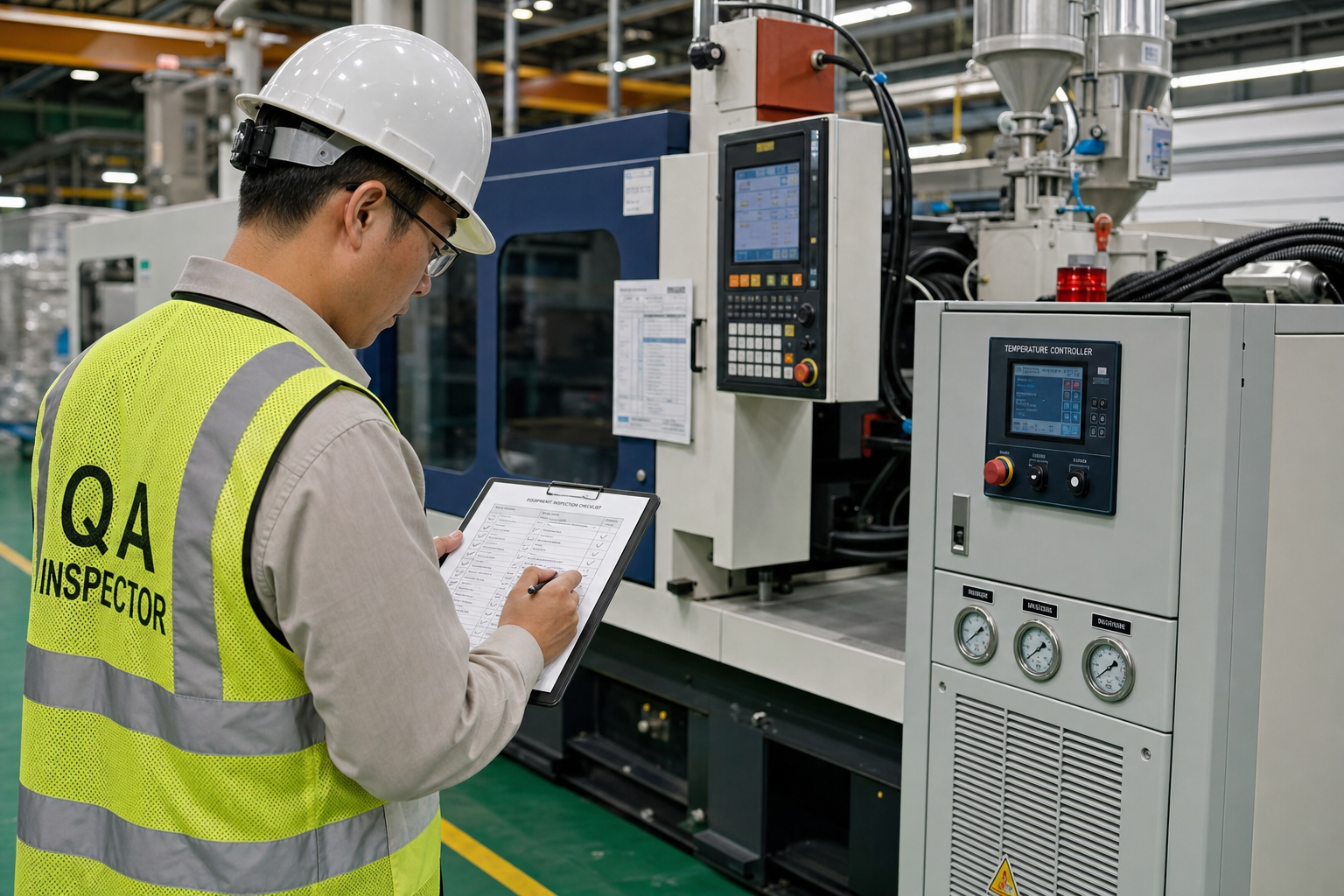
Never rely on email promises alone. I recommend a four-stage vetting process before you transfer any deposit funds. First, check the factory Unified Social Credit Code to verify their legal business scope and registered capital. Ensure they are registered as a manufacturing enterprise, not a commercial trading entity. Second, send a complex part drawing and evaluate their DFM report. A capable factory identifies draft problems, gate locations, and tolerance risks immediately. Third, hire an independent inspection agency to check machine maintenance, raw material storage, and working conditions. Fourth, order a small pilot production run before approving high-volume tooling.
| Vetting Stage | Target Verification Item | Red Flag Warning Sign |
|---|---|---|
| Stage 1: Legal Check | Business license and ownership | Trading company license only |
| Stage 2: Technical Test | DFM and mold flow quality | Generic quote without design critique |
| Stage 3: On-Site Audit | Machinery age, CMM lab, cleanliness | Messy tool room, refusal of visits |
| Stage 4: Pilot Run | First article inspection report | Dimensions out of specification |
What Are the Most Common FAQs About Contract Manufacturing in China?
Do lingering questions about minimum order quantities, payment structures, and lead times hold you back? Hesitation slows down your time to market. Getting clear answers to common questions gives you the confidence to move forward.
Common contract manufacturing questions center on minimum order quantities, standard payment milestones like 30/40/30 terms, tooling ownership rights, production lead times, and the process of approving first article samples before starting mass production runs.
Essential Questions to Settle Before Paying Deposits
Before transferring your initial tooling deposit, put every commercial and technical term into your written agreement. I always clarify mold ownership up front. Your contract must state clearly that you own the injection molds, cutting dies, and fixtures, and that you can move them at any time without penalty. Clarify payment milestones so you never pay the final tooling balance before you inspect and approve physical T1 samples in your hands. Agree on acceptable defect rates and define who pays for rework if parts fail incoming quality control.
| Question Topic | Standard Industry Practice | Protection Strategy |
|---|---|---|
| Tooling Ownership | Buyer owns all molds and tooling | Specify mold transfer terms in writing |
| Payment Terms | 50% deposit, 50% on sample approval | Never pay final balance before T1 approval |
| Minimum Order Quantity | 1,000 to 5,000 units for molding | Negotiate smaller pilot batches for launch |
| Defect Compensation | Factory replaces defective units | Set AQL 1.0/2.5 quality acceptance limits |
Conclusion
Contract manufacturing in China delivers speed, scale, and cost advantages when you vet factories carefully, enforce strict quality controls, protect your IP, and work with experienced tooling partners.