


Aluminum vs. Steel Molds for Low-Volume Injection Molding: How to Choose?
Choosing the wrong mold material wastes thousands of dollars and ruins tight product launch deadlines. You need fast parts, but you also need high precision without blowing your budget.
For low-volume injection molding under 10,000 parts, aluminum molds offer faster machining, lower upfront costs, and better heat dissipation. However, steel molds are better if your project requires tight tolerances, abrasive glass-filled resins, or potential scaling into high-volume mass production later.
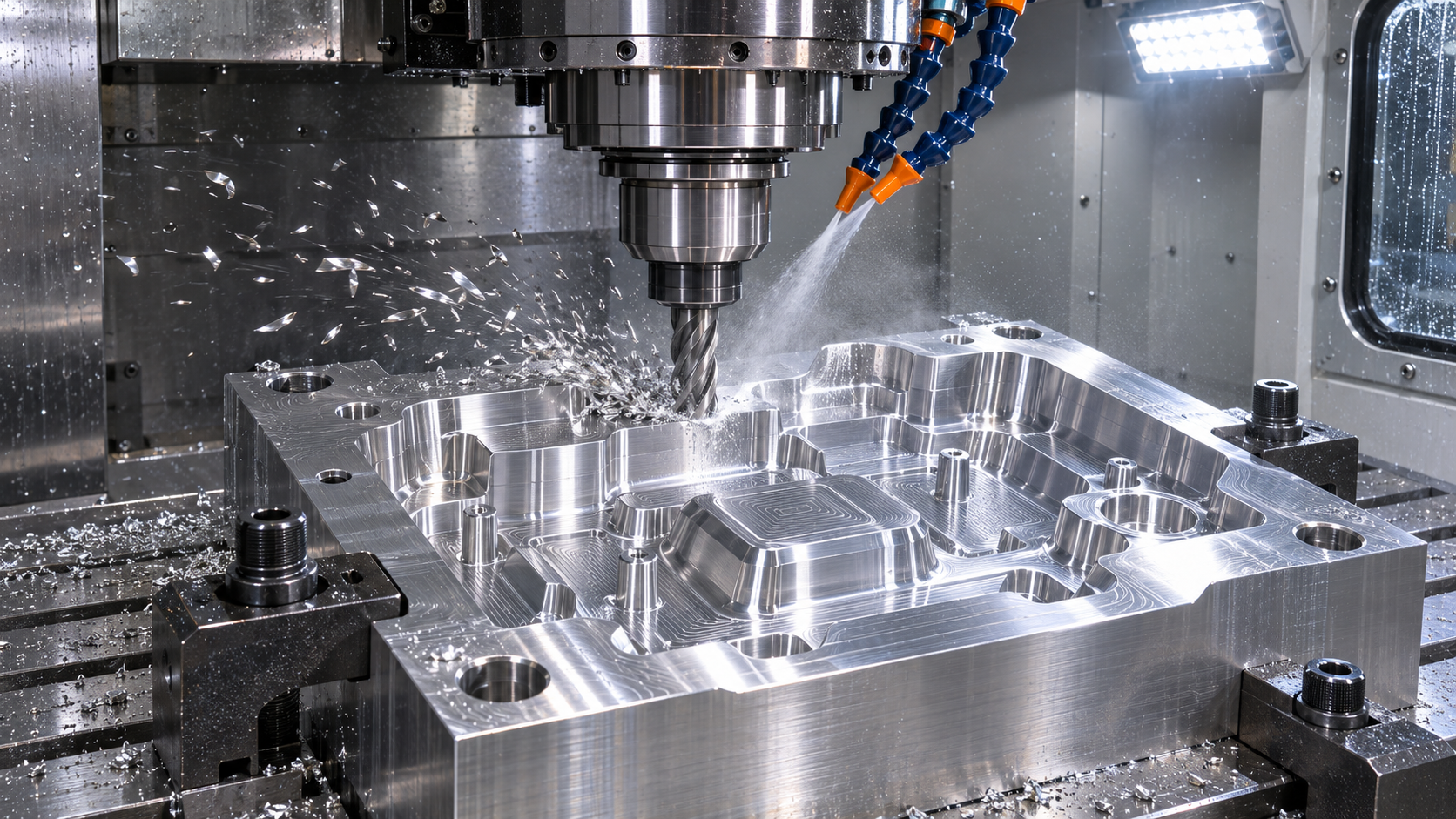
Most engineers think aluminum is just for cheap prototypes. That is a costly mistake. Let us look at the real numbers behind tooling materials so you do not overpay on your next project.
Which material is best for injection molding?
Picking a tooling metal feels like a gamble when your boss wants parts yesterday and finance wants to cut costs. One wrong move leads to broken tools or warped parts.
P20 and H13 tool steels are the best materials for general injection molding because they handle high heat, heavy clamping pressure, and abrasive plastics. For smaller runs and rapid prototyping, 7075 aluminum is the top choice due to its fast machining speed and low cost.
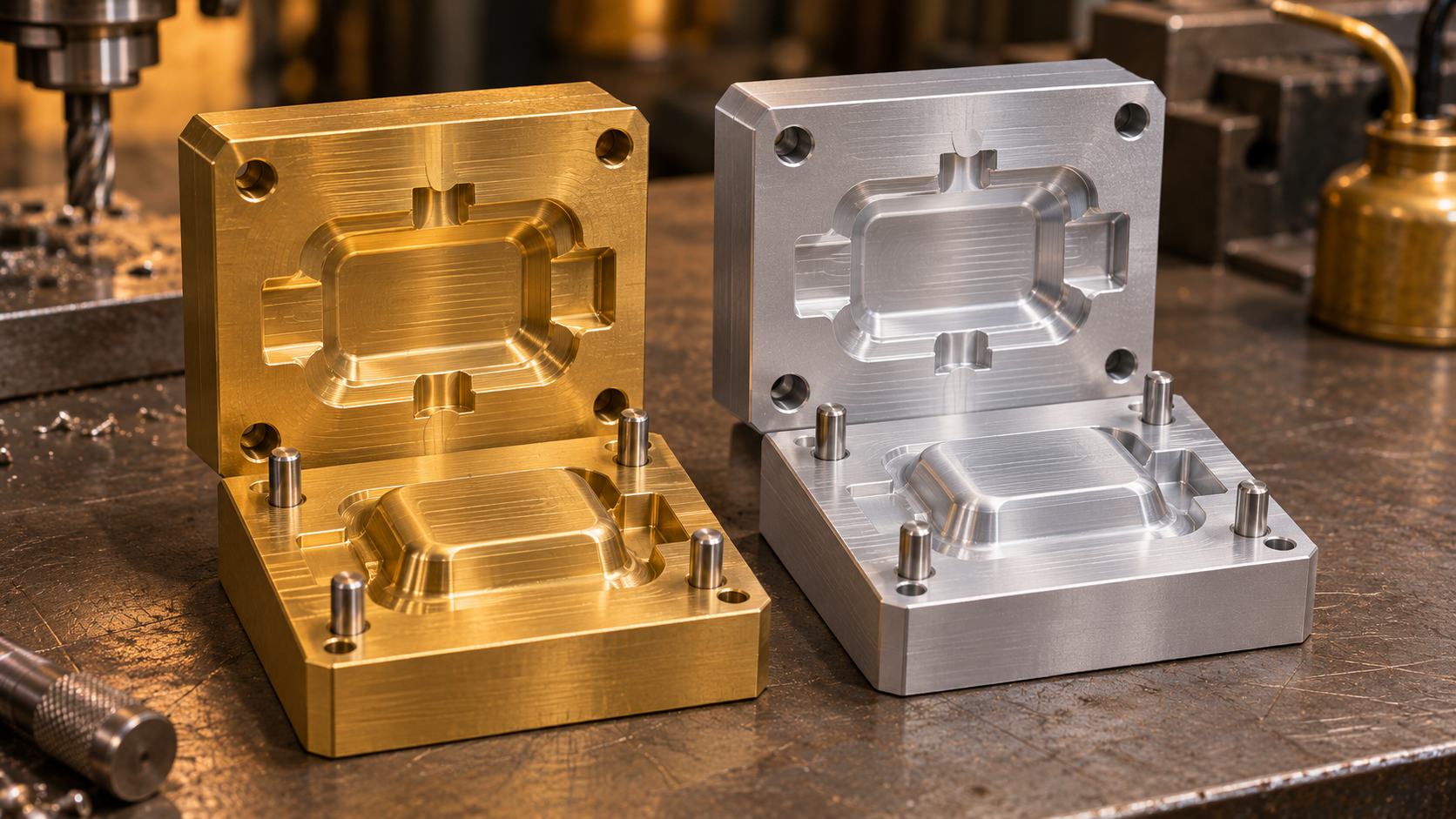
Comparing Core Tooling Metals
When I started designing molds at Kenvox, I used to default to steel for every project. I thought anything else would fail on the press. Over time, I saw how different projects demand different metals. You must match the metal to the resin and the part count.
Key Performance Metrics
Here is how the three most common mold metals stack up against each other on the shop floor:
| Material Type | Typical Shot Life | Machining Speed | Cost Level | Best Use Case |
|---|---|---|---|---|
| 7075 Aluminum | 1,000 – 10,000 | Very Fast | Low | Bridge tooling, quick prototypes |
| P20 Steel | 50,000 – 100,000 | Moderate | Medium | Mid-volume production, standard plastics |
| H13 Hardened Steel | 500,000+ | Slow | High | High-volume runs, glass-filled resins |
Aluminum cuts like butter on our high-speed CNC machines. We can finish an aluminum cavity in days instead of weeks. Steel takes much longer to mill and often needs electrical discharge machining (EDM) for fine details. If you use standard ABS or polypropylene, aluminum holds up very well. If you switch to nylon with 30% glass fiber, those glass fibers will scratch soft aluminum fast. You need hardened H13 steel to resist that wear.
Can you injection mold aluminum?
Many designers get confused by shop terminology and ask if they can shoot liquid aluminum into a plastic mold. Mixing up these processes causes major design errors and wasted engineering hours.
You cannot injection mold aluminum using standard plastic injection machines because aluminum melts at 660°C, which destroys plastic tooling. Instead, aluminum is used to build the mold itself for plastic parts, or it is shaped into metal parts using high-pressure die casting.
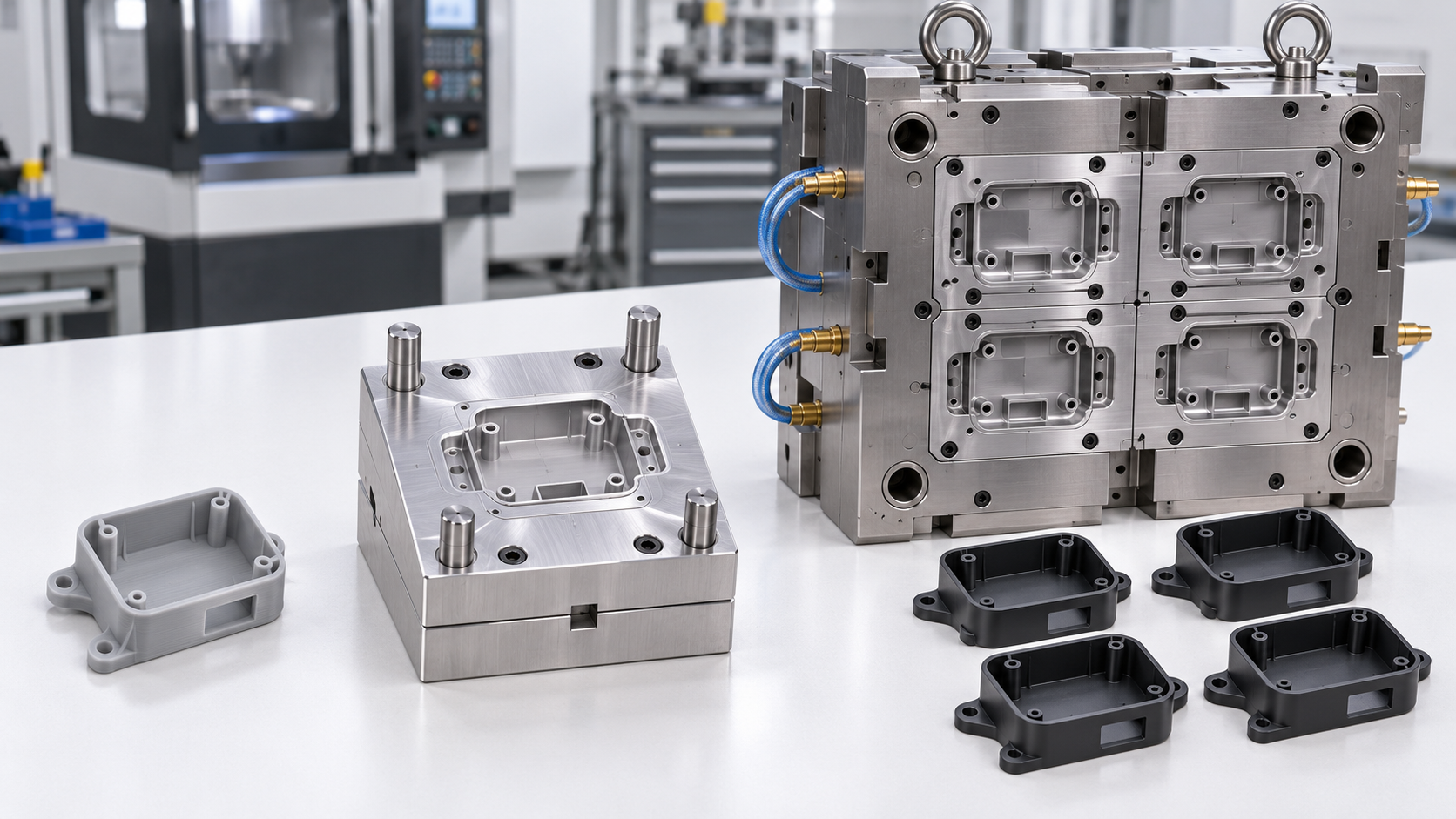
Plastic Molding vs. Metal Casting
Last year, a client sent me a 3D file for a consumer electronics housing. He asked for "aluminum injection molding" because he wanted metal parts with plastic-level detail. I had to explain that these are two totally different manufacturing methods.
Process Differences
You must separate the mold material from the part material. Look at how the two processes differ in our factory:
| Feature | Aluminum Mold (Plastic Parts) | Aluminum Die Casting (Metal Parts) |
|---|---|---|
| Part Material | Thermoplastics (ABS, PC, PP) | Molten Aluminum Alloy (A380, ADC12) |
| Mold Material | 7075 or 6061 Aluminum | Hardened H13 Tool Steel |
| Operating Temp | 180°C – 300°C | Over 650°C |
| Wall Thickness | Thin walls (1.0mm – 3.0mm) | Thicker walls needed for metal flow |
When we make an aluminum mold, we cut the block out of aerospace-grade 7075 aluminum. Then we inject melted plastic into it. Because aluminum transfers heat five times faster than steel, the plastic cools down quickly. This cuts cycle times by up to 30%. If you actually want a solid aluminum part, we use die casting. In die casting, we shoot liquid metal into a heavy steel mold.
What are the pros and cons of brass vs. aluminum bullet molds?
Hobbyists and precision casters often argue over brass and aluminum molds when casting small parts. Choosing the wrong block leads to poor heat control, stuck parts, and frustrating casting sessions.
Aluminum bullet molds heat up fast, cost less, and reduce hand fatigue because they are lightweight, though they scratch easily. Brass molds hold heat much longer for smoother fills and resist wear better, but they are heavy, expensive, and take longer to reach operating temperature.
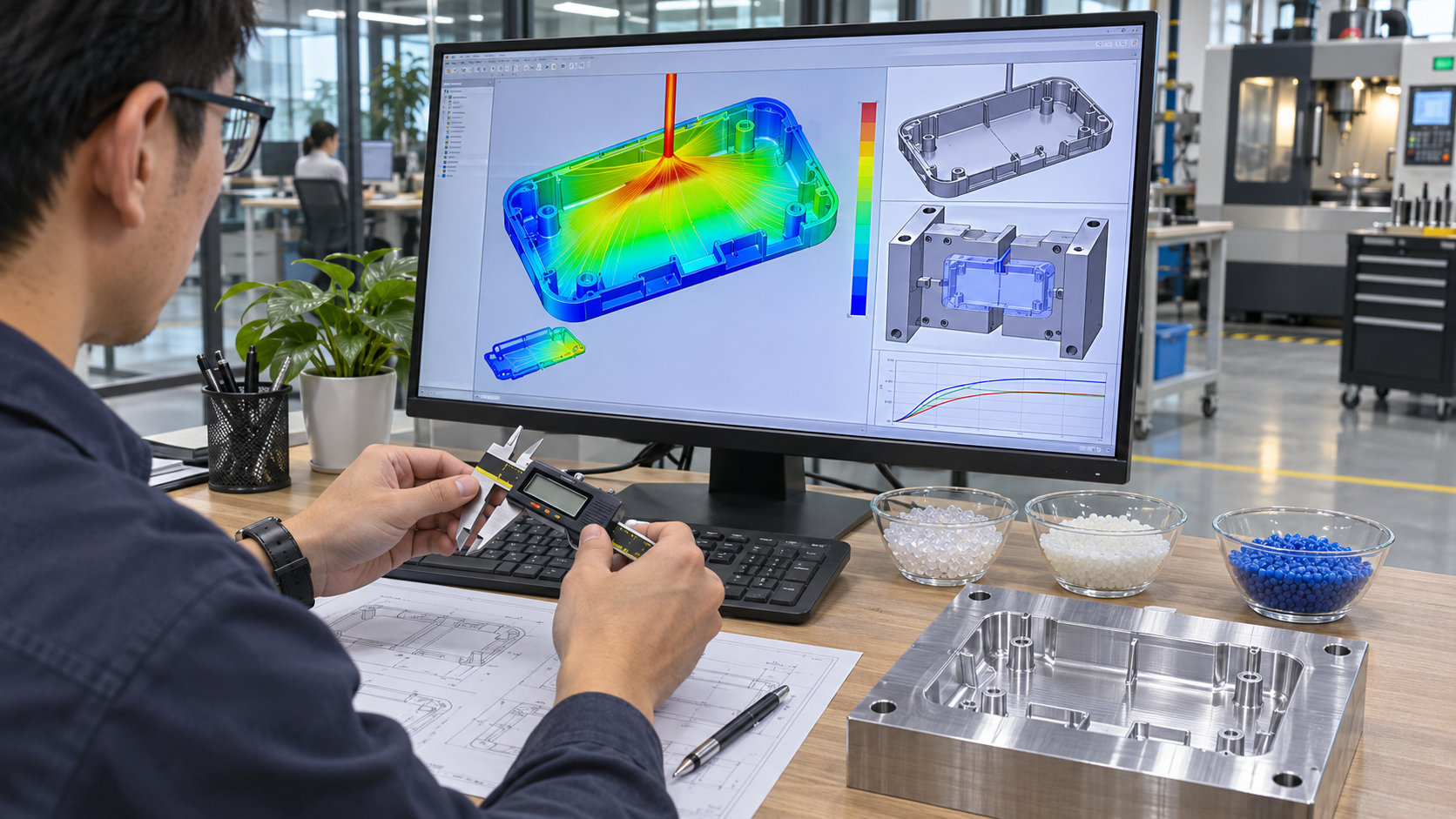
Heat Retention vs. Weight
Even though Kenvox focuses on industrial plastic and metal parts, the physics of small-scale casting teaches us a lot about heat transfer. I once tested both brass and aluminum blocks when helping a partner evaluate small thermal-mass tooling. The difference in how they handle heat is massive.
Material Trade-offs
When you pour hot material into a small cavity, the mold metal controls how fast it freezes. Here is how brass and aluminum compare:
| Property | Aluminum Molds | Brass Molds |
|---|---|---|
| Weight | Very light, easy to handle | Heavy, causes wrist fatigue |
| Warm-up Time | Fast (heats up in a few pours) | Slow (needs preheating) |
| Heat Retention | Loses heat quickly if you pause | Holds steady heat for consistent fills |
| Durability | Soft, dents if dropped or pried | Tough, resists rust and scratches |
Aluminum acts like a heat sink. It gets hot fast, and it cools down fast. If you stop working for two minutes, an aluminum mold drops below the ideal temperature. Brass acts like a thermal battery. Once you get a brass block hot, it stays hot. This steady temperature helps molten material flow into sharp corners without freezing early. However, you pay for that stability with higher material costs and extra weight.
How to choose material for injection molding?
Picking a mold metal without a clear checklist leads to unexpected repair bills and delayed shipments. You need a simple method to match your project goals with the right tooling metal.
To choose the right mold material, first check your total production volume and required tolerances. Select aluminum for runs under 10,000 parts with fast turnaround times. Choose steel for high-volume runs, tight tolerances under ±0.05mm, abrasive resins, or complex moving mold actions.
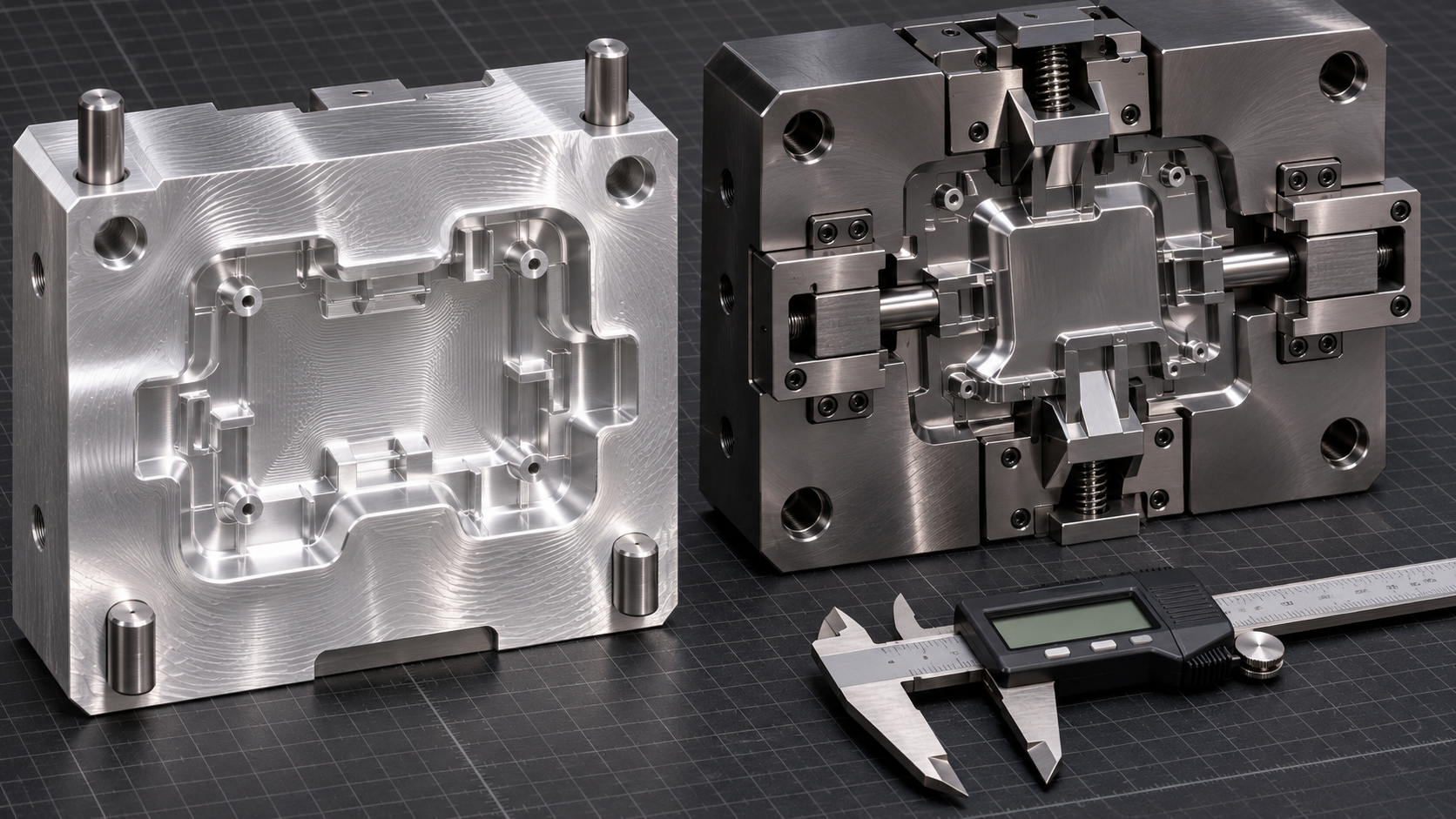
A Step-by-Step Decision Framework
In my daily work reviewing DFM reports for overseas clients, I never look at price alone. A cheap mold that breaks halfway through production is the most expensive tool you can buy. You need to look at the whole picture before cutting metal.
Selection Matrix
Use this simple guide to pick your tooling metal based on your project stage:
| Project Factor | Choose Aluminum | Choose Steel |
|---|---|---|
| Order Quantity | 500 to 10,000 parts | 10,000 to 1,000,000+ parts |
| Lead Time | 1 to 2 weeks | 3 to 6 weeks |
| Resin Type | Unfilled ABS, PP, PE, TPE | Glass-filled Nylon, PC, PVC |
| Design Stability | Expecting future design tweaks | Finalized, frozen product design |
First, look at your resin. Corrosive plastics like PVC release acid gas that eats away at aluminum. Glass-filled resins act like sandpaper on the mold walls. Both require steel. Second, think about design changes. Aluminum is easy to weld and re-machine if you need to tweak a rib or boss after T0 samples. Third, check your budget. Aluminum saves 30% to 50% upfront, freeing up cash for marketing or assembly.
My insights
Engineers often waste money over-building molds for new products. Start with aluminum to test your market fast, and only invest in hardened steel once your sales volume proves the demand.
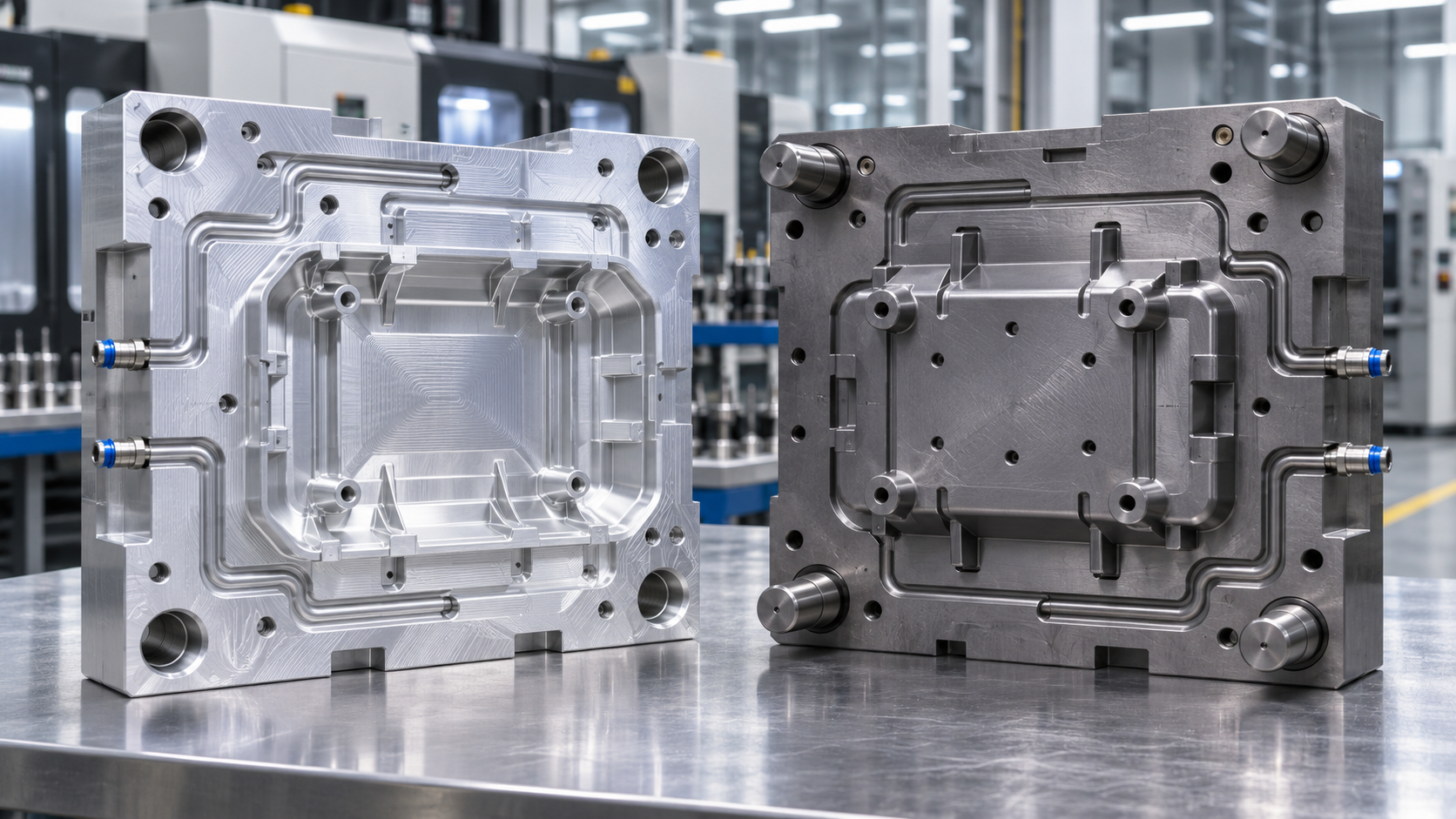
Why Bridge Tooling Wins in 2026
After ten years in product and mold design, I see the same mistake every month. A startup founder raises money and immediately orders a hardened H13 steel mold because they dream of selling a million units. Six months later, customer feedback forces a design change, and that expensive steel mold becomes a giant paperweight.
Smart Scaling Strategy
At Kenvox, we always advise clients to match their tooling to their real market stage:
| Stage | Goal | Recommended Tooling | Why It Works |
|---|---|---|---|
| Validation | Functional testing, investor demos | CNC or Silicone Sample Mold | Zero tooling risk, parts in days |
| Market Launch | First 2,000 – 8,000 retail units | 7075 Aluminum Mold | Fast ROI, easy to modify design |
| Mass Scale | 50,000+ units per year | Multi-cavity P20/H13 Steel | Lowest unit price, longest tool life |
Product lifecycles move too fast today to lock yourself into rigid steel tooling on day one. Use aluminum as bridge tooling. Get your parts to market in two weeks, sell your first batch, and fix any flaws in the next revision. Once your product takes off, use your profits to fund a multi-cavity steel mold for mass production.
Conclusion
Choose aluminum molds for speed, lower upfront costs, and runs under 10,000 parts. Choose steel molds when you need high volume, abrasive resins, and extreme long-term durability.