


Do you struggle to turn your design into a real product? Bad parts waste time and money. I will show you how to master injection molding today.
Plastic injection molding is a manufacturing process. It forces melted plastic into a metal mold to create parts. The cost ranges from a few thousand to over $100,000. You can do simple DIY molding at home. But professional results always require industrial machines.
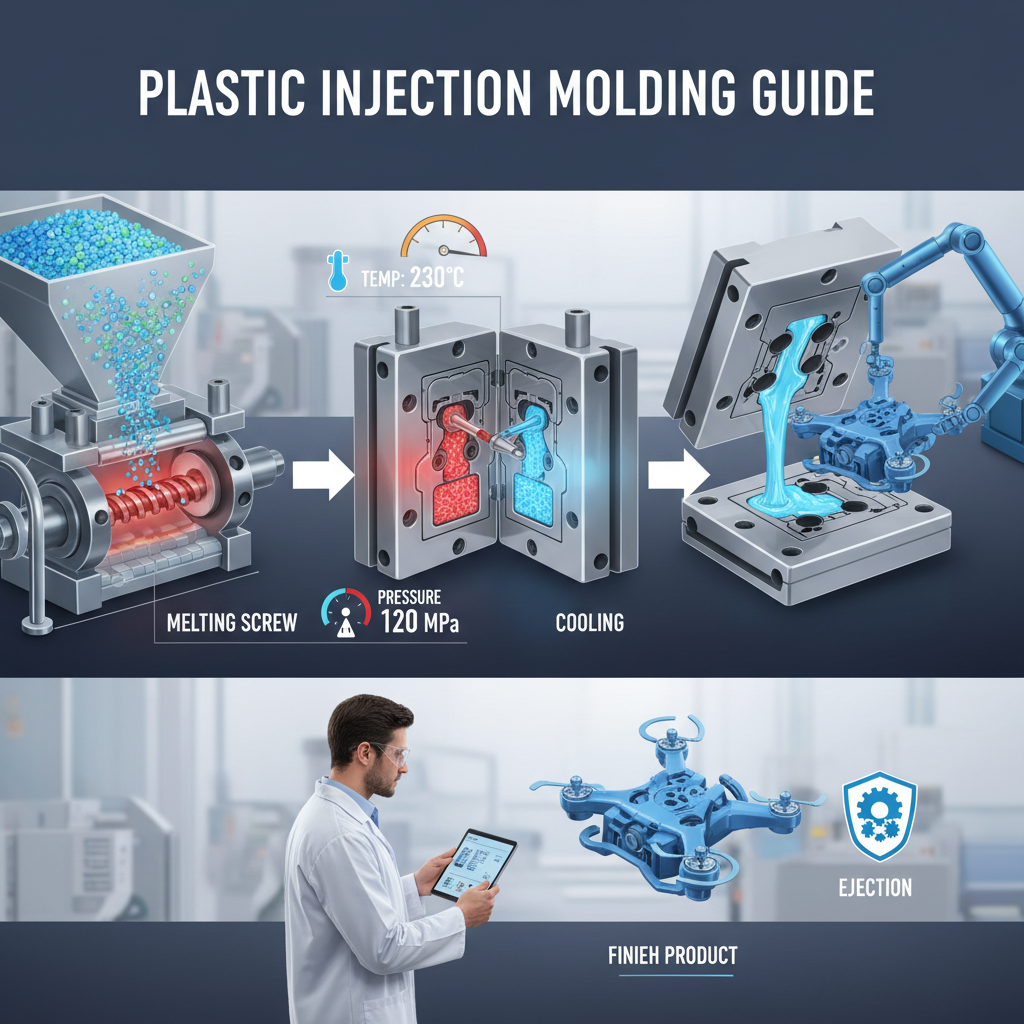
You must know the details to build perfect plastic parts. I will walk you through the exact steps and costs right now. This guide will help you make the best choice for your next big project.
What is plastic molding injection?
Do you feel lost when manufacturers talk about "tooling" or "cycles"? Misunderstanding the process leads to design errors and wasted money. I will explain the basics so you can speak like a pro.
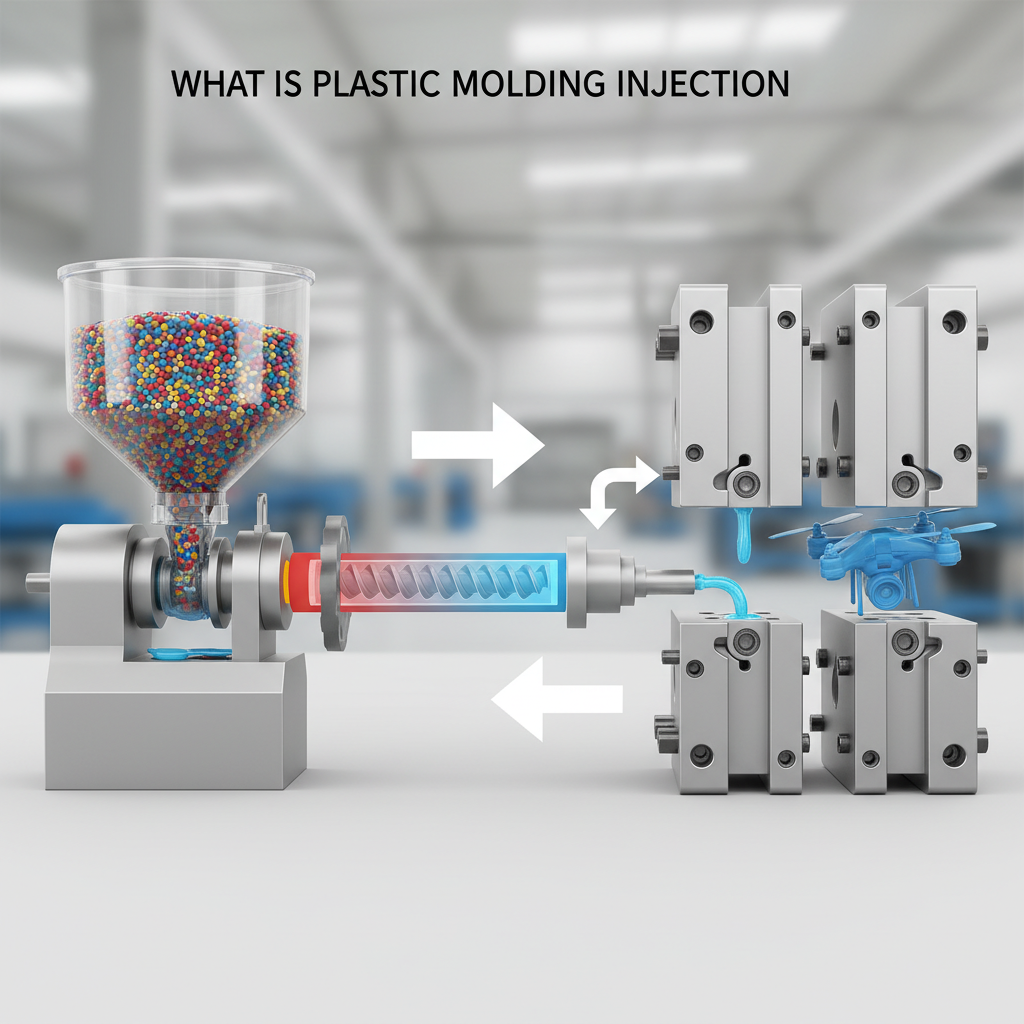
Plastic injection molding is a cycle-based process that melts plastic pellets and injects them into a custom-shaped steel or aluminum mold. The plastic cools and hardens inside the mold. Then, the machine opens and pushes out a finished part ready for use.
The Mechanics of the Machine
I often compare the injection molding machine to a giant, hot syringe. The process starts at the hopper. This is a large funnel that holds raw plastic pellets. A motor turns a large screw inside a heated barrel. The screw moves the pellets forward. Friction and heater bands melt the plastic into a thick liquid. Once enough liquid builds up, the screw stops turning. It then acts like a piston. It slides forward fast and pushes the plastic into the mold. High pressure is key here. It ensures the plastic fills every tiny corner of the design.
The Four Stages of the Cycle
I look at the molding cycle in four simple steps. First is the clamping stage. The machine closes the two halves of the mold with many tons of force. Second is the injection stage. The melted plastic fills the cavity. Third is the cooling stage. This is the longest part of the process. You must wait for the part to turn back into a solid. Fourth is the ejection stage. The mold opens. Metal pins push the part out. At KENVOX, we use Mikron high-speed CNC machines to make these molds perfect. This ensures the parts come out exactly the same every time.
Why Precision Matters
| Part Feature | Why it is hard | My Solution |
|---|---|---|
| Wall Thickness | Thick walls cause sink marks | Keep walls thin and even |
| Draft Angles | Parts stick to the mold | Add a slight taper to walls |
| Ribs | They add strength | Make ribs 60% of wall thickness |
How much does a plastic injection mold cost?
Are high tooling costs ruining your project budget? A bad guess can stop your production early. I will break down the real costs of mold making today.
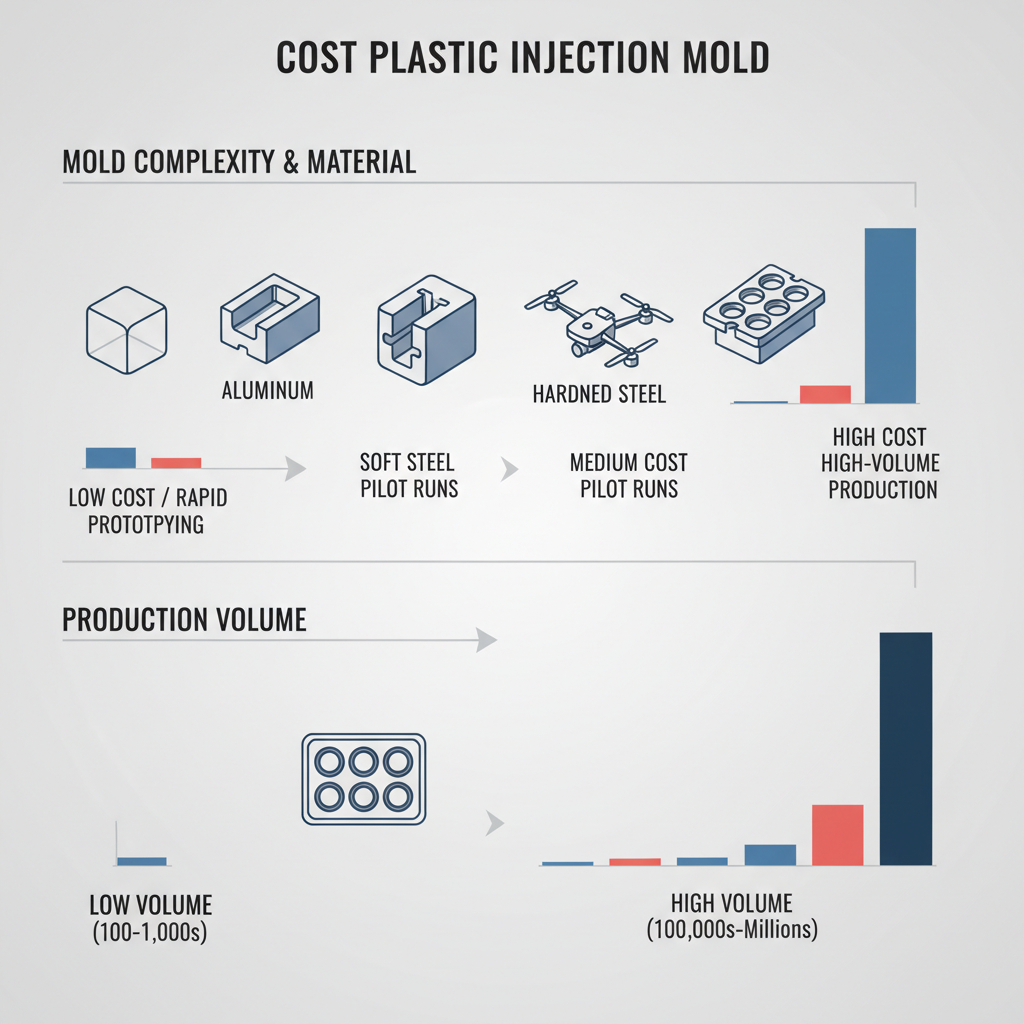
A small aluminum mold costs between $100 and $2,000. A standard steel mold costs $2,000 to $10,000. Complex steel molds for massive production run from $10,000 to over $100,000. The price depends mostly on part complexity and mold material.
What Drives the Tooling Price?
I get emails from designers every single week. They always ask why their mold quotes are so high. I will tell you the truth. The price depends mostly on the chosen metal. The price also depends on the number of parts. I work at KENVOX. We build over 1,200 sets of molds every year. I know exactly where your money goes.
We can use softer metal for small projects. Soft metal cuts fast. Soft metal saves you money. But you might need millions of consumer electronic parts. You must use hardened steel for large orders. Hard steel takes a very long time to shape. We use slow wire-cutting machines and EDMs. Time is money in a machine shop.
Let us look at the factors that change the price:
| Factor | Low Cost Impact | High Cost Impact |
|---|---|---|
| Mold Material | Aluminum or soft steel | Hardened steel |
| Cavities | Single cavity | Multi-cavity |
| Part Complexity | Simple open-and-shut box | Undercuts and sliders |
| Surface Finish | Standard smooth finish | High-polish mirror |
You can reduce your costs. You must keep the design simple. You should avoid undercuts. Every slider adds more steel to your bill. Every lifter adds more machine time to your bill. I always help my clients optimize their CAD files. This help drops their tooling costs down.
Can you do plastic injection molding at home?
Do you want to test parts fast without paying a big factory? Waiting for samples feels frustrating. I will show you if home injection molding is worth trying.
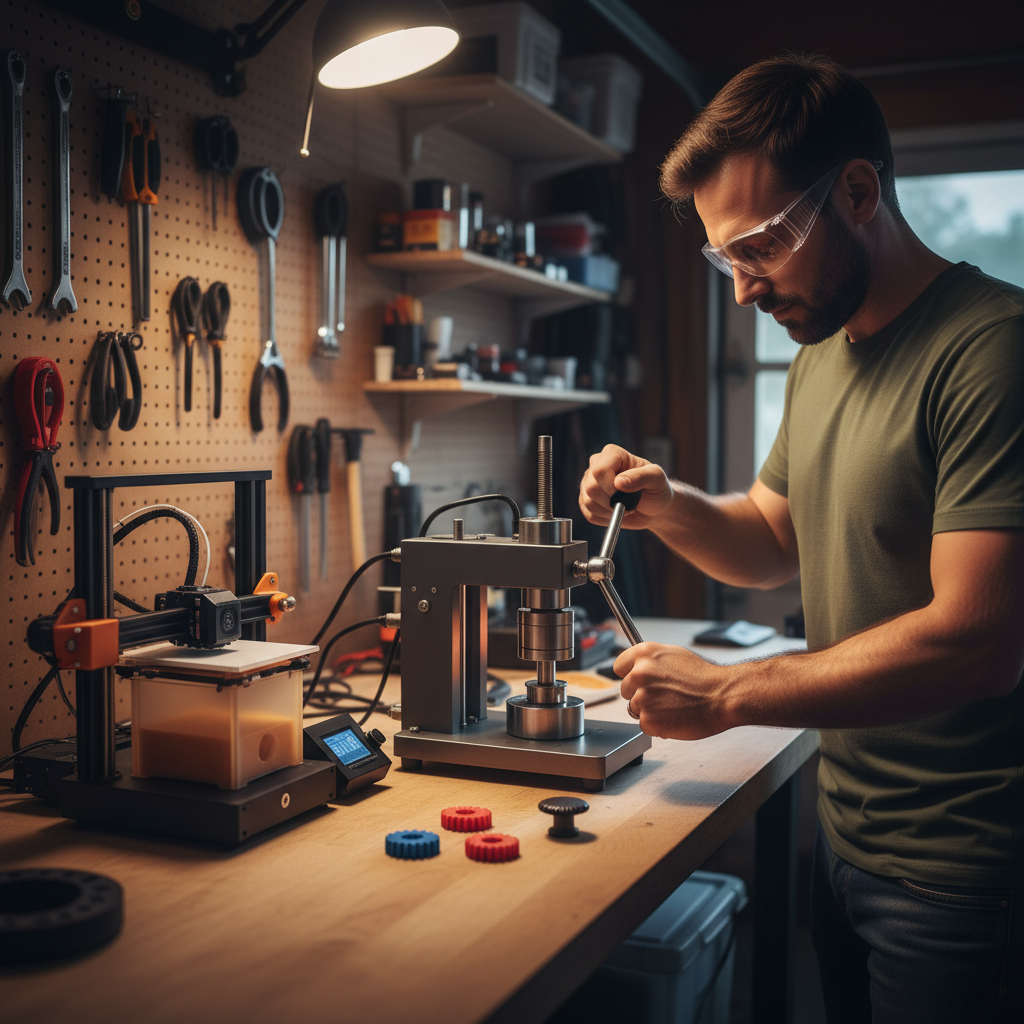
Yes, you can do plastic injection molding at home. You can use small desktop machines. You can use cheap aluminum molds. But home setups are only good for small parts. Home setups cannot match factory quality. Home setups cannot match factory speed.
The Reality of DIY Molding
Many clever designers try to make parts in their garage. I tried to build a small hand-press machine myself many years ago. The project was fun. But the machine was very limited. You can buy a desktop injection machine today. These small machines cost a few thousand dollars. You can even print a plastic mold on a good 3D printer.
But you must know the machine limits. A home machine does not have strong clamping force. Our industrial machines at KENVOX apply hundreds of tons of pressure. A home machine applies maybe one ton of pressure. You cannot fill large parts with low pressure. The hot plastic will cool too fast. The plastic will freeze before it reaches the end of the mold.
I want to show you a clear comparison:
| Feature | Home DIY Setup | Industrial Factory Setup |
|---|---|---|
| Machine Cost | $500 to $5,000 | $50,000 to $500,000+ |
| Part Size Limit | Very small parts | Very large parts |
| Pressure | Very low pressure | Very high pressure |
| Quality Control | Manual and basic | Strict and certified |
A home machine is fine for ten small knobs. But you might need strong parts. You might need tight tolerances. You might need real materials for consumer electronics. You must use a real factory for professional parts. The pressure and heat control are just too important.
What types of plastic can be injection molded?
Do you worry about picking the wrong plastic? Broken prototypes waste your time and money. I will guide you to the right material for your exact needs.
You can mold almost any thermoplastic material. The most common plastics are ABS, Polycarbonate, Polypropylene, and Nylon. Each plastic has different strengths. You can also mold flexible materials like TPU. You can even use silicone with the right type of mold.
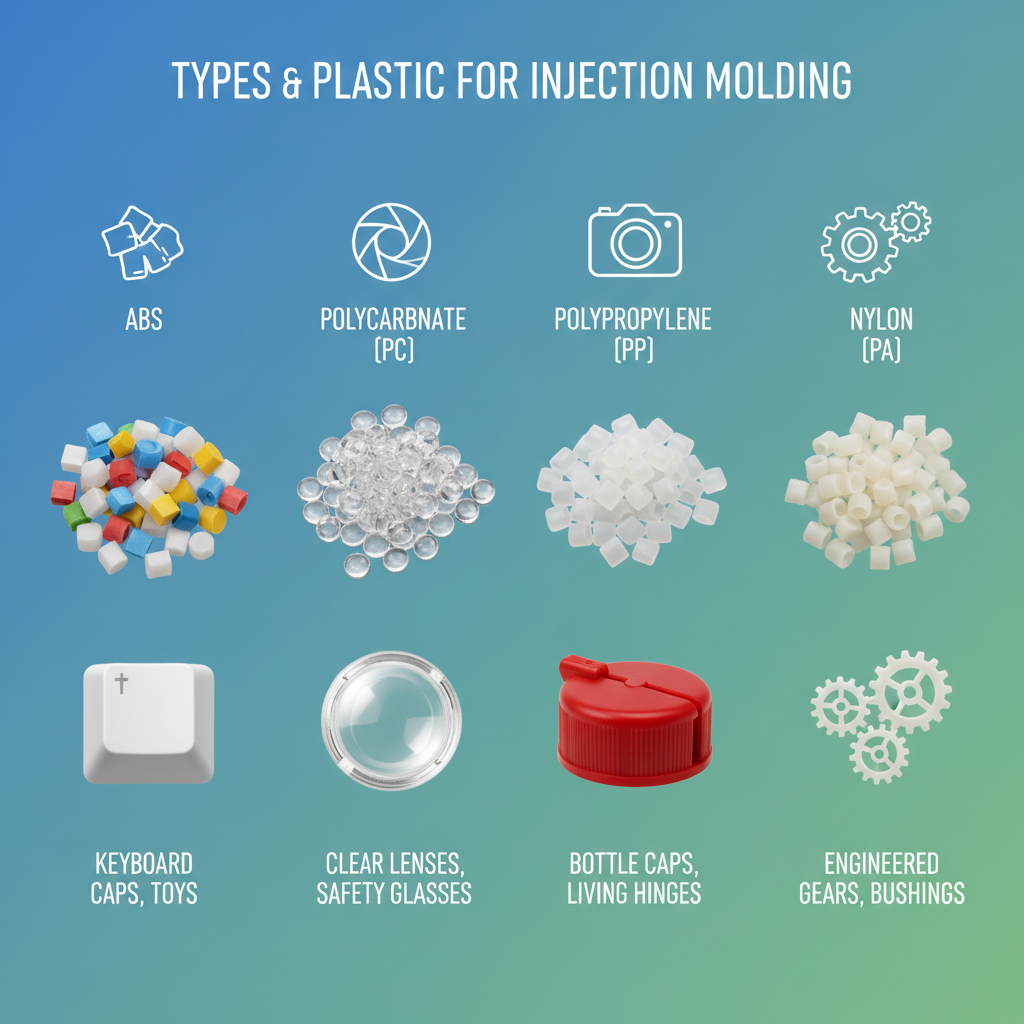
Types of plastic for injection molding
Choosing the Best Material
Your material choice changes everything. I have seen great designs fail many times. The designers simply picked a brittle plastic. I have worked in this industry for over ten years. My team at KENVOX has molded thousands of tons of material. I know how each plastic flows. I know how each plastic shrinks.
You will likely use ABS or Polycarbonate for consumer electronics. ABS is cheap. ABS is strong. ABS looks good. Polycarbonate is very tough. Polycarbonate can be clear like glass. You must use Polypropylene for a living hinge. Polypropylene can bend thousands of times without breaking. Nylon is the best choice for gears. Nylon slides easily against other moving parts.
Here is a simple guide for you:
| Material Name | Best Feature | Common Use Case |
|---|---|---|
| ABS | Good impact strength | Electronic housings |
| Polycarbonate | Very clear and tough | Lenses and clear covers |
| Polypropylene | Bends very well | Living hinges |
| Nylon | Very tough and low friction | Gears and bearings |
You must remember one important fact. Every plastic shrinks differently. The plastic shrinks when it cools. You might change your material after we cut the steel mold. Your parts will not fit together. You must always decide on your exact plastic first. You must choose the material before the mold design begins.
Conclusion
Plastic injection molding makes perfect parts. You can design better products now. You know the costs, processes, and materials. You can launch your next big project with total confidence.