




Vacuum Plating vs Electroplating: Which Is Better for Your Parts?
I have seen many good parts fail because the finish did not match the real use. A wrong coating can hurt appearance, cost, and durability fast.
Vacuum plating and electroplating both improve surface look and performance, but they suit different materials and goals. I choose vacuum plating for lightweight plastic parts and clean decorative finishes, and I choose electroplating when I need a thicker metal layer and stronger wear resistance.
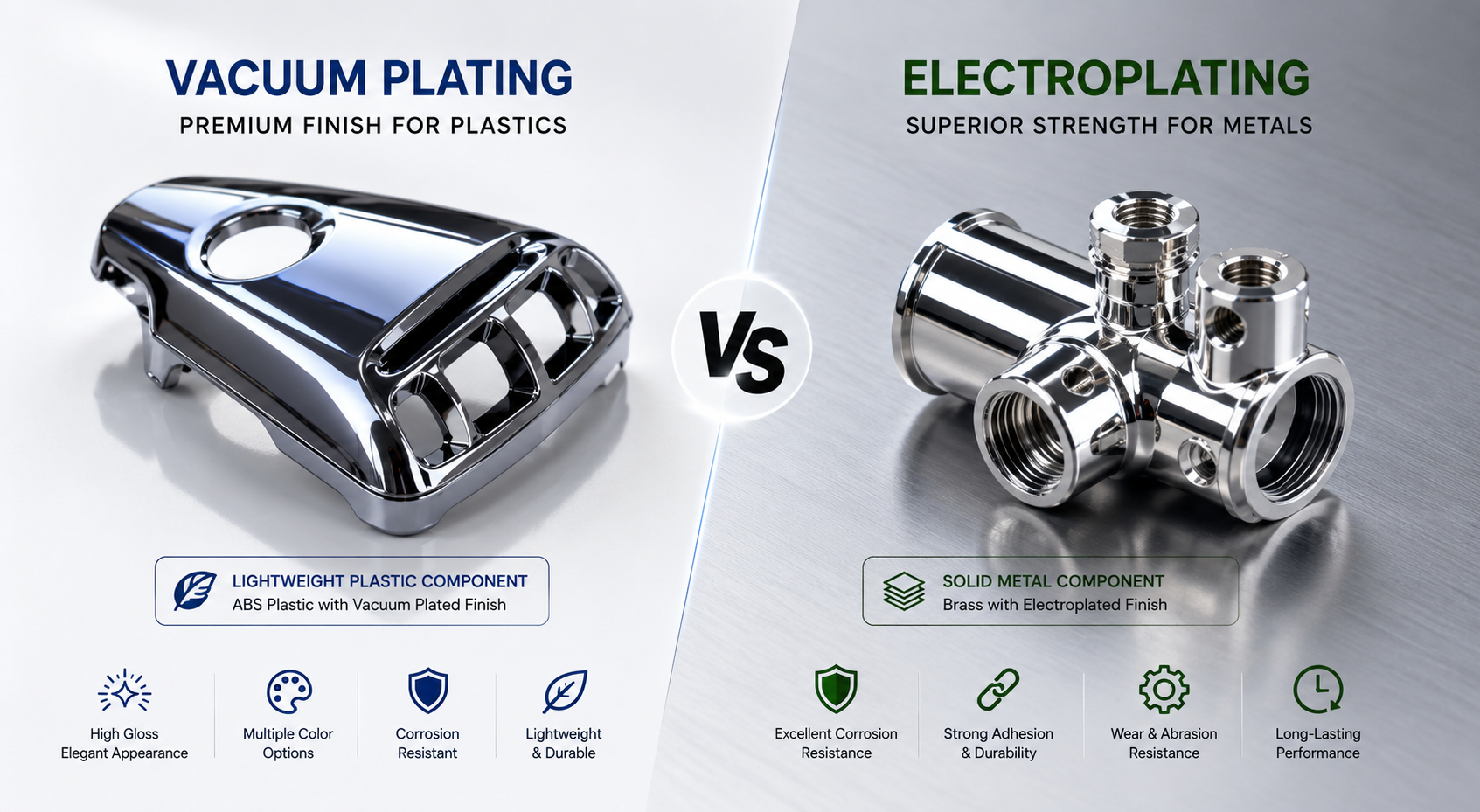
I deal with this choice often in product work. I look at the base material, the part shape, the target look, and the final use. If I choose only by color or shine, I can make a mistake. If I choose by function and process limits, I can get a better result. This is why I always compare these two finishes before I freeze a design.
Is vacuum plating durable?
I hear this question often from clients who want a premium look on plastic parts. They like the shine, but they worry that the surface will scratch, peel, or fade in daily use.
Vacuum plating can be durable, but its durability depends on the base material, surface prep, base coat, top coat, and the real use of the part. I do not treat it as a hard metal layer. I treat it as a thin finish that needs the right system to last well.
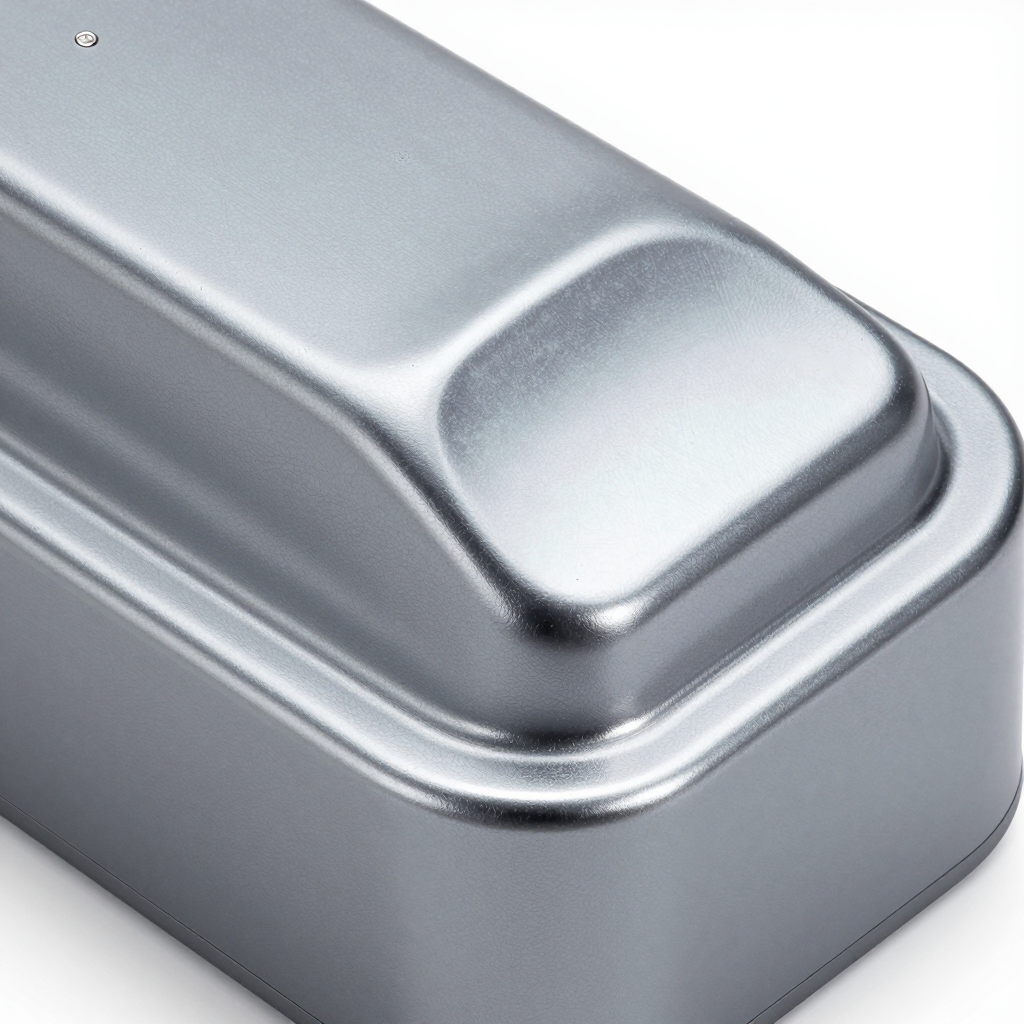
In my own projects, I have seen vacuum plated parts perform well when the process is controlled. The part must be clean. The substrate must be stable. The coating stack must be correct. If the part flexes too much, the layer can crack or peel. If the part faces strong rubbing, the surface can wear faster than a true metal finish. This does not mean vacuum plating is weak. It means I must match it to the right product.
What I check before I call it durable
| Check point | My focus |
|---|---|
| Base material | Does the plastic hold shape under heat and use? |
| Surface prep | Is the part clean and smooth before coating? |
| Primer and base coat | Does the system help the finish bond well? |
| Top coat | Does it protect against scratches and fingerprints? |
| Use case | Will the part face touch, rub, or flex often? |
I usually trust vacuum plating for decorative housings, trim parts, and consumer products that need a bright look. I do not trust it as much for parts that face hard abrasion or strong chemicals. So I say it is durable enough for many jobs, but not for every job.
What are the disadvantages of electroplating?
I respect electroplating because it can create a strong and real metal surface. Still, I also know it brings more limits than many people expect. I have had projects where the finish looked great, but the process cost, material choice, or environmental burden made it harder to use.
The main disadvantages of electroplating are higher process complexity, more chemical handling, more waste control, and limits on which materials can be plated well. I also see problems with thickness control, part shape coverage, and cost when the project volume is not large.
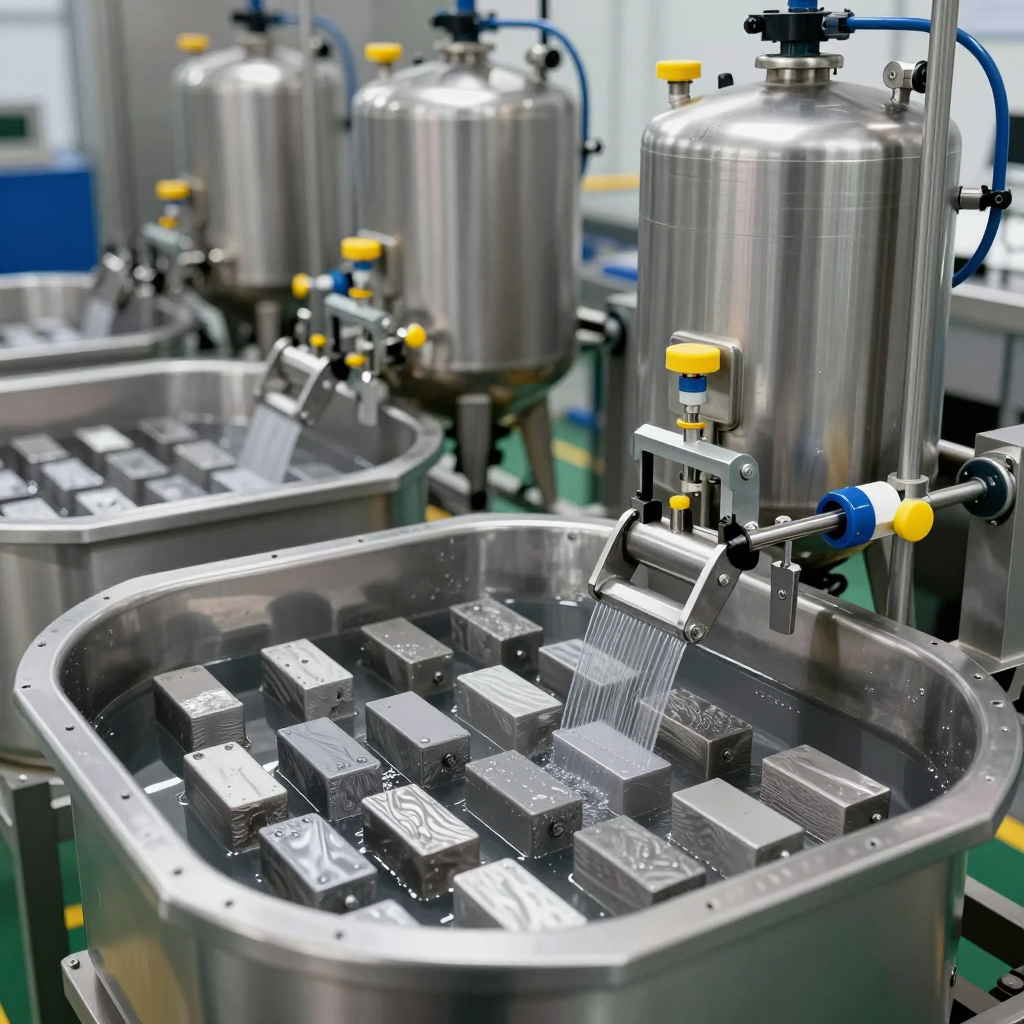
Electroplating often needs good electrical conductivity or a special pre-treatment path. That can make plastic parts harder to handle. The process also uses baths and chemicals that need tight control. If the bath condition changes, the finish can shift. If the part shape is complex, some areas can plate too much or too little. I have seen edges get thicker than flat areas. I have also seen hidden spots receive weak coverage.
Common disadvantages I watch for
| Disadvantage | What it means in practice |
|---|---|
| More process steps | More time and more chance for error |
| Chemical control | Bath quality must stay stable |
| Environmental load | Waste treatment and compliance matter |
| Thickness variation | Some areas may plate unevenly |
| Higher setup effort | Small runs may cost too much |
I do not reject electroplating. I just use it when the part needs true metal performance and the design can support the process. If the customer wants a lower-cost decorative finish on plastic, I often look at vacuum plating first. If the customer needs strong wear and a real metal feel, I look harder at electroplating.
What metals cannot be electroplated?
This question sounds simple, but the answer is not just a list. I think the real issue is not only whether a metal can be plated. The real issue is whether it can be plated easily, safely, and with good quality.
Some metals are difficult to electroplate because they form strong oxide layers, react fast, or do not bond well with common plating systems. I look closely at the surface chemistry before I say a metal is suitable for electroplating.
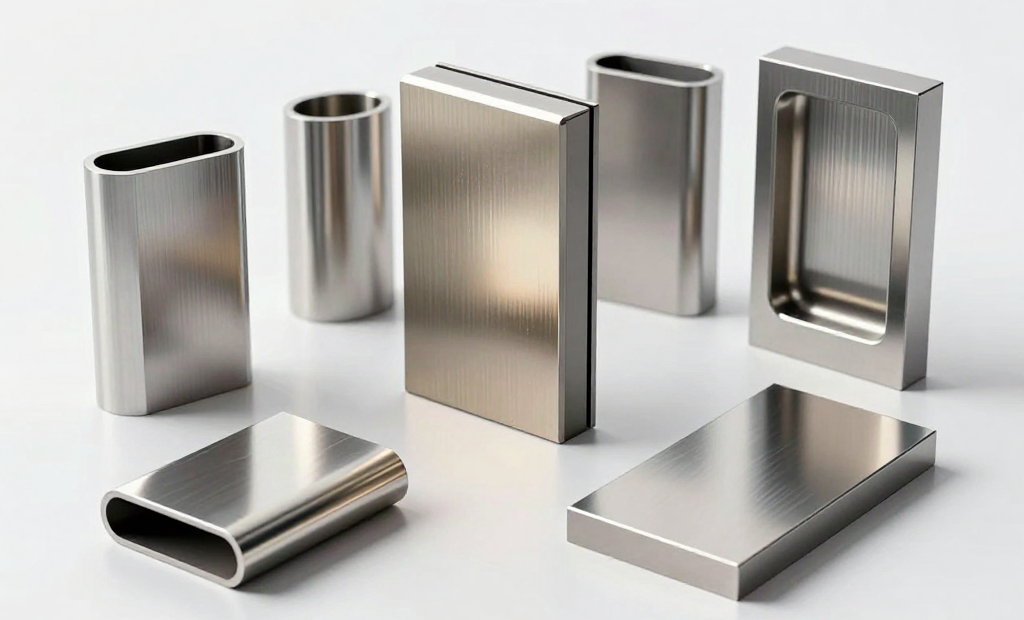
In my work, metals like aluminum, titanium, and magnesium often need special preparation. They are not impossible, but they are not simple either. Their oxide layers can block good bonding. Their surface conditions can change fast. That makes the process more demanding. Other metals may also create problems if the goal is adhesion, even if they are not fully impossible to plate.
Metals that often need special treatment
| Metal | My practical view |
|---|---|
| Aluminum | Can be plated, but often needs special pre-treatment |
| Titanium | Difficult because of the oxide layer |
| Magnesium | Sensitive and needs careful control |
| Stainless steel | Can be plated, but surface prep matters a lot |
| Zinc alloys | Often easier, but still need process control |
I usually remind people that “cannot be electroplated” is too strong in many cases. A better way to say it is that some metals are hard to electroplate well without special steps. That matters in product design. If I choose the wrong base metal early, I may add cost later. I may also create adhesion problems or finish failure. So I always check the substrate before I promise a plating result.
Is vacuum metalizing better than chrome plating?
I hear this question from many product teams that want a chrome look but do not want the full cost or weight of metal. I understand the goal. I also know that the answer changes with the part and the use.
Vacuum metalizing is not always better than chrome plating. I choose vacuum metalizing for lightweight decorative plastic parts, and I choose chrome plating when I need a harder, more durable metallic surface and the part can support the process.
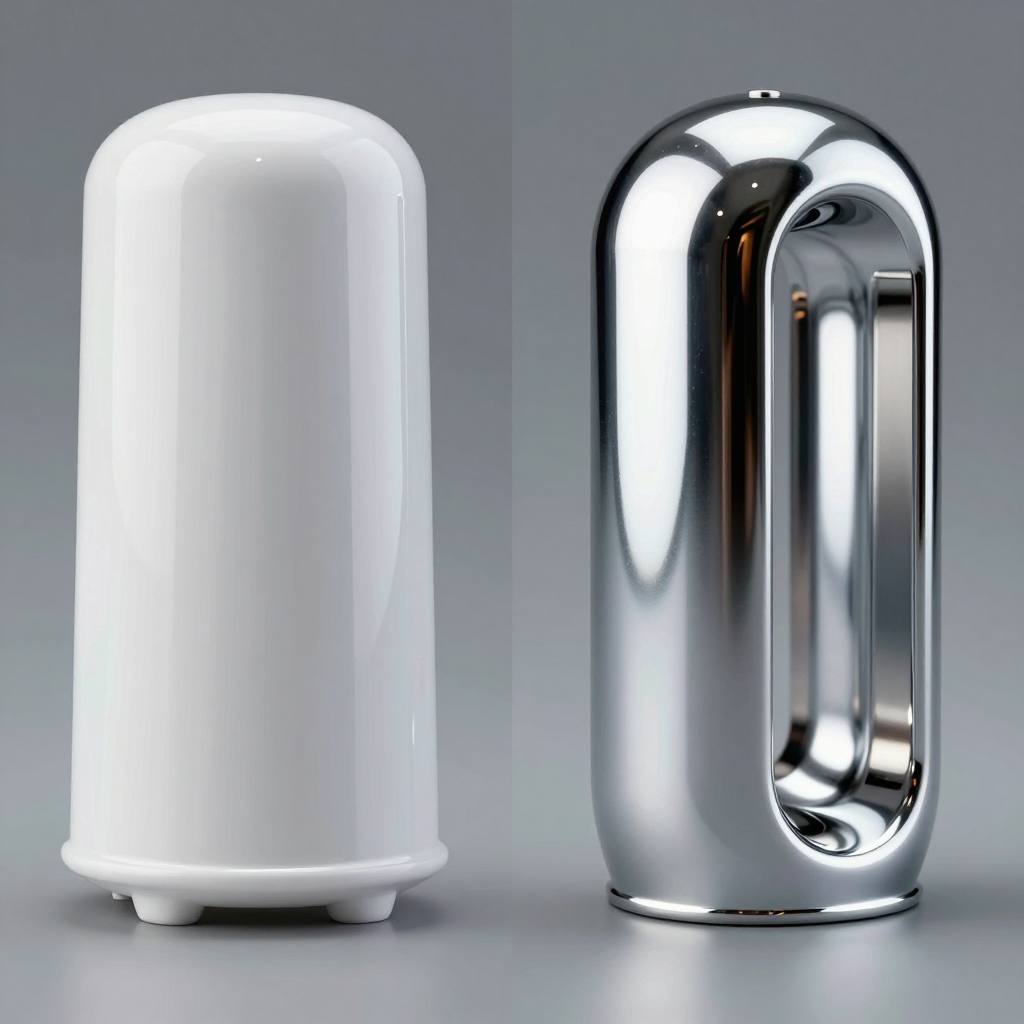
I often compare them by looking at cost, material, and performance. Vacuum metalizing gives a bright metal appearance on plastic parts. It is light and usually more design friendly. Chrome plating can give a stronger metallic surface, but it often needs more process control and can cost more. It also depends more on the base material and part geometry. If the part is a consumer housing or a decorative trim piece, vacuum metalizing can be the better choice. If the part needs stronger wear resistance or a more metal-like finish under harder use, chrome plating may win.
My simple comparison
| Item | Vacuum metalizing | Chrome plating |
|---|---|---|
| Base material | Often plastic | Often metal or specially prepared parts |
| Weight | Very light | Usually heavier |
| Look | Bright and decorative | Strong chrome-like shine |
| Wear resistance | Good with a top coat | Often stronger |
| Cost | Often lower for plastic parts | Often higher |
| Best use | Cosmetic parts | More demanding surfaces |
I do not use “better” as a general word here. I use “better for this part.” That is the right way I work. A shiny product shell may need vacuum metalizing. A harder functional surface may need chrome plating. If I match the finish to the part use, I reduce risk and improve the final result.
Conclusion
I choose vacuum plating for light, decorative plastic parts and electroplating for stronger metal-like performance. The better process always depends on material, use, cost, and finish goals.