




Are you tired of surprise tooling invoices that ruin your project budget? Many buyers lose thousands of dollars to hidden mold fees. I show you how to stop these unexpected costs today.
Overseas mold buyers usually face seven hidden fees: DFM redesign charges, mold trial sample fees, tool modification costs, resin markups, tariff surprises, export crating charges, and mold release fees. Kenvox eliminates these hidden costs by providing complete upfront quotes, free DFM analysis, guaranteed mold life, and dual-facility options in China and Vietnam.
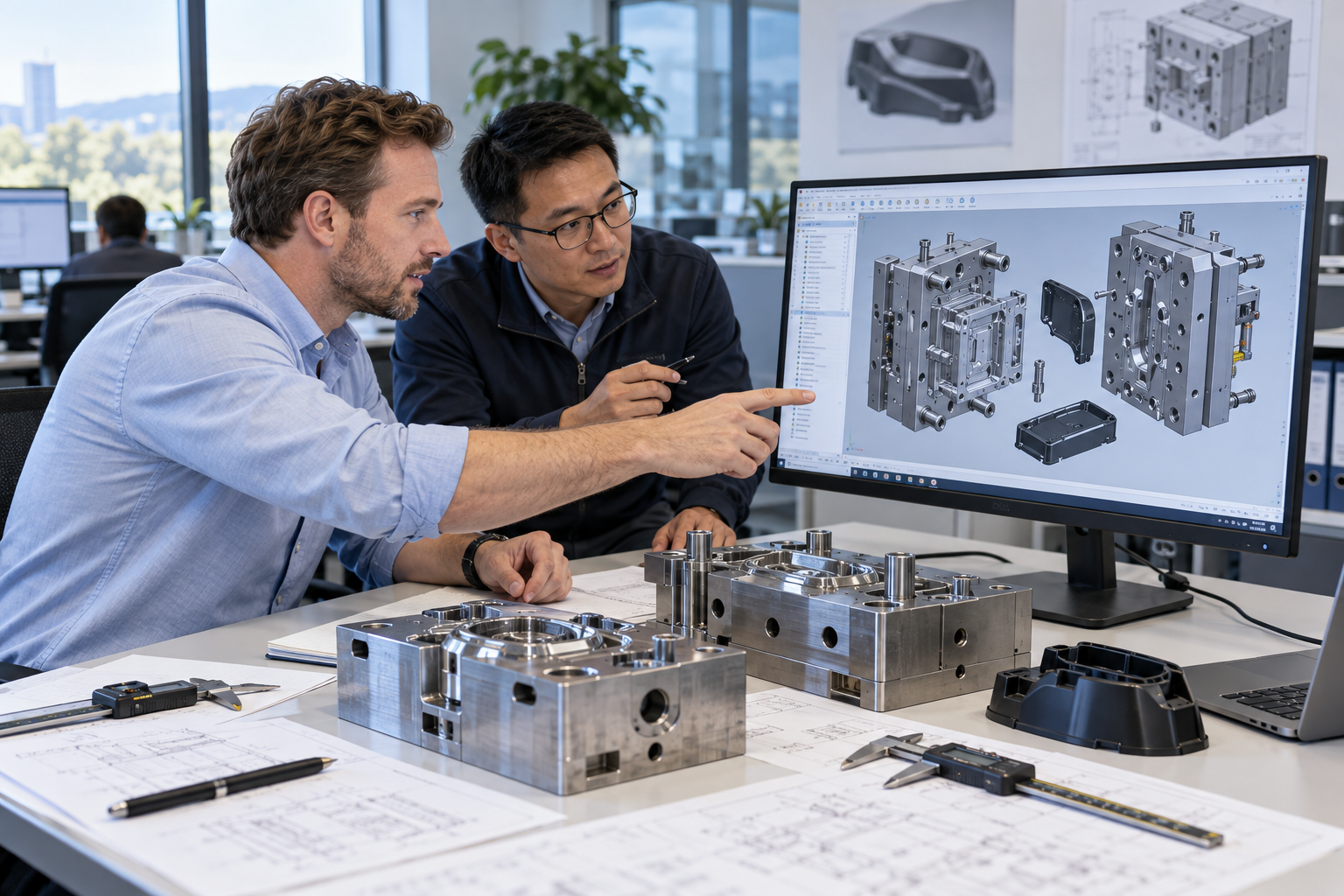
I have spent ten years designing plastic parts and buying injection molds. In my early career, I received many supplier invoices with shocking extra charges. You do not have to repeat my painful mistakes. I wrote this clear guide so you can identify sneaky supplier fees early, understand true tooling costs, and protect your manufacturing budget.
Who Is the Largest Injection Molding Company in the World?
Do you struggle to pick between massive global molding corporations and specialized turnkey tooling shops? Choosing the wrong supplier size creates huge communication delays and ballooning project expenses. Let us find your best match.
Jabil is currently the largest injection molding and contract manufacturing company in the world by revenue and machine count. Other industry giants include Foxconn, Flex, and Berry Global. These mega-suppliers serve huge global enterprises, while mid-sized specialists like Kenvox provide agile turnkey tooling, dual-color molding, and personal engineering support.
Choosing Between Global Giants and Agile Precision Manufacturers
I often see buyers make the mistake of contacting huge multi-billion-dollar conglomerates for custom tooling projects. When I worked on consumer electronic enclosures years ago, my team tried to hire a top-tier global contract manufacturer. We quickly hit a wall. Giant corporations focus on clients who order tens of millions of parts each year. If your order volume is smaller, their sales teams put you at the bottom of their priority list. You wait weeks for simple email replies. You also pay high corporate overhead costs.
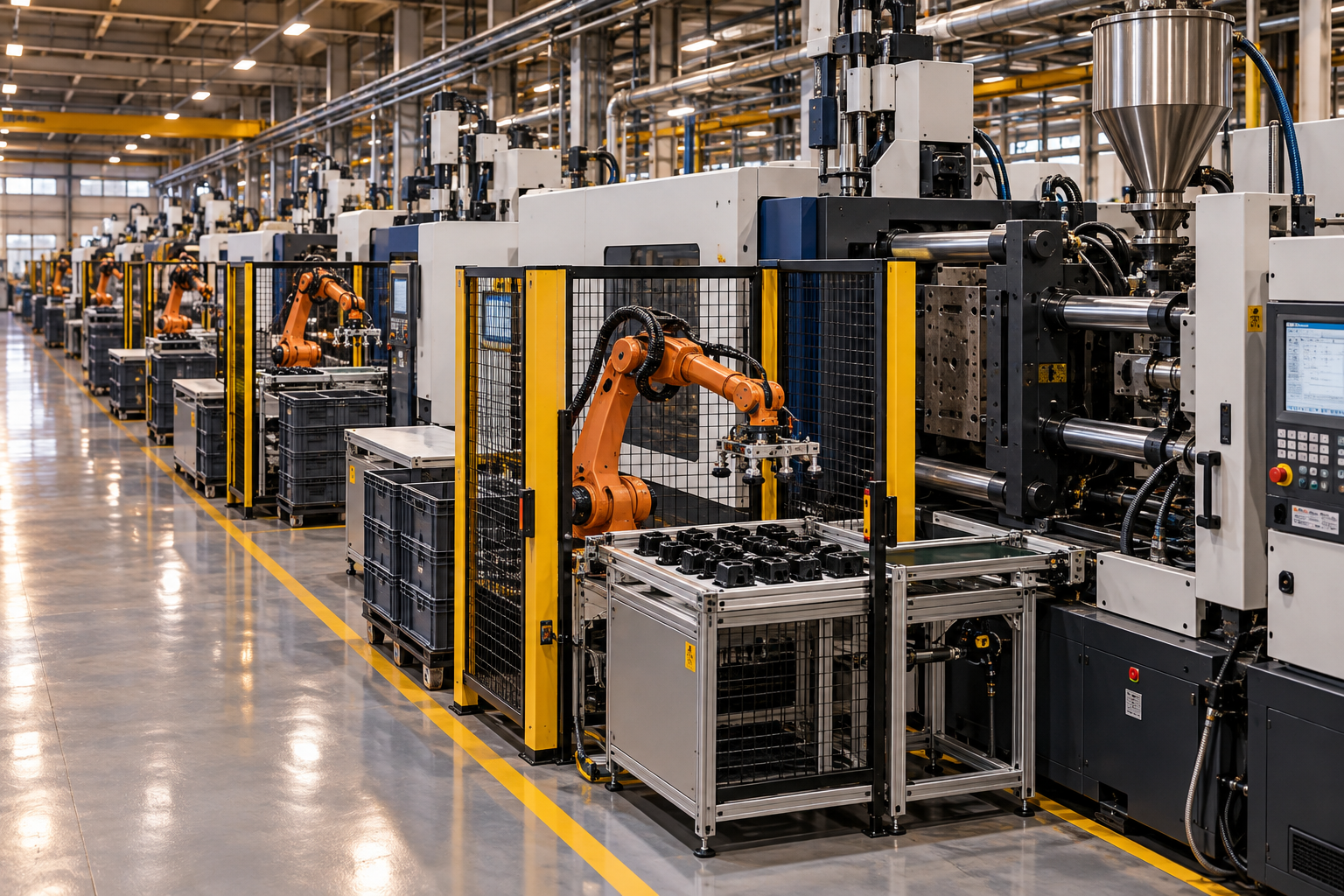
Mid-sized manufacturers give you direct access to skilled tooling engineers. For example, Kenvox operates modern plants in Dongguan, Huizhou, Shenzhen, and Vietnam with over 190 injection machines. You get the high precision of advanced Mikron CNC and mirror EDM machinery without the corporate red tape. You speak directly with bilingual project leaders who have more than ten years of bench experience.
| Supplier Tier | Typical Annual Revenue | Best Fit Customer | Key Advantage | Key Disadvantage |
|---|---|---|---|---|
| Tier 1 Global Giants (Jabil, Flex) | Over $10 Billion | Mega-corporations (Apple, Tesla) | Massive global factory footprint | Very slow response for mid-sized jobs |
| Specialized Turnkey (Kenvox) | $20M – $100M | Mid-market brands, design firms | Direct engineering and fast trials | Smaller total plant footprint |
| Small Local Job Shops | Under $5 Million | Local quick-fix prototypes | Same-city physical visits | Limited machinery and no clean rooms |
What Is the Current Tariff on Injection Molds from China?
Did an unexpected 25 percent customs bill hit your mold budget during ocean transit? Tariffs can completely erase your overseas cost savings if you do not plan ahead. Here is the exact duty picture.
The United States imposes a 25 percent Section 301 tariff on Chinese injection molds under HTS code 8480.71, alongside a standard 3.1 percent base duty, creating a 28.1 percent total tax. Buyers can legally eliminate this specific tariff by working with Kenvox through our fully operational manufacturing facilities in Vietnam.
Understanding Section 301 Duties and Dual-Country Production Options
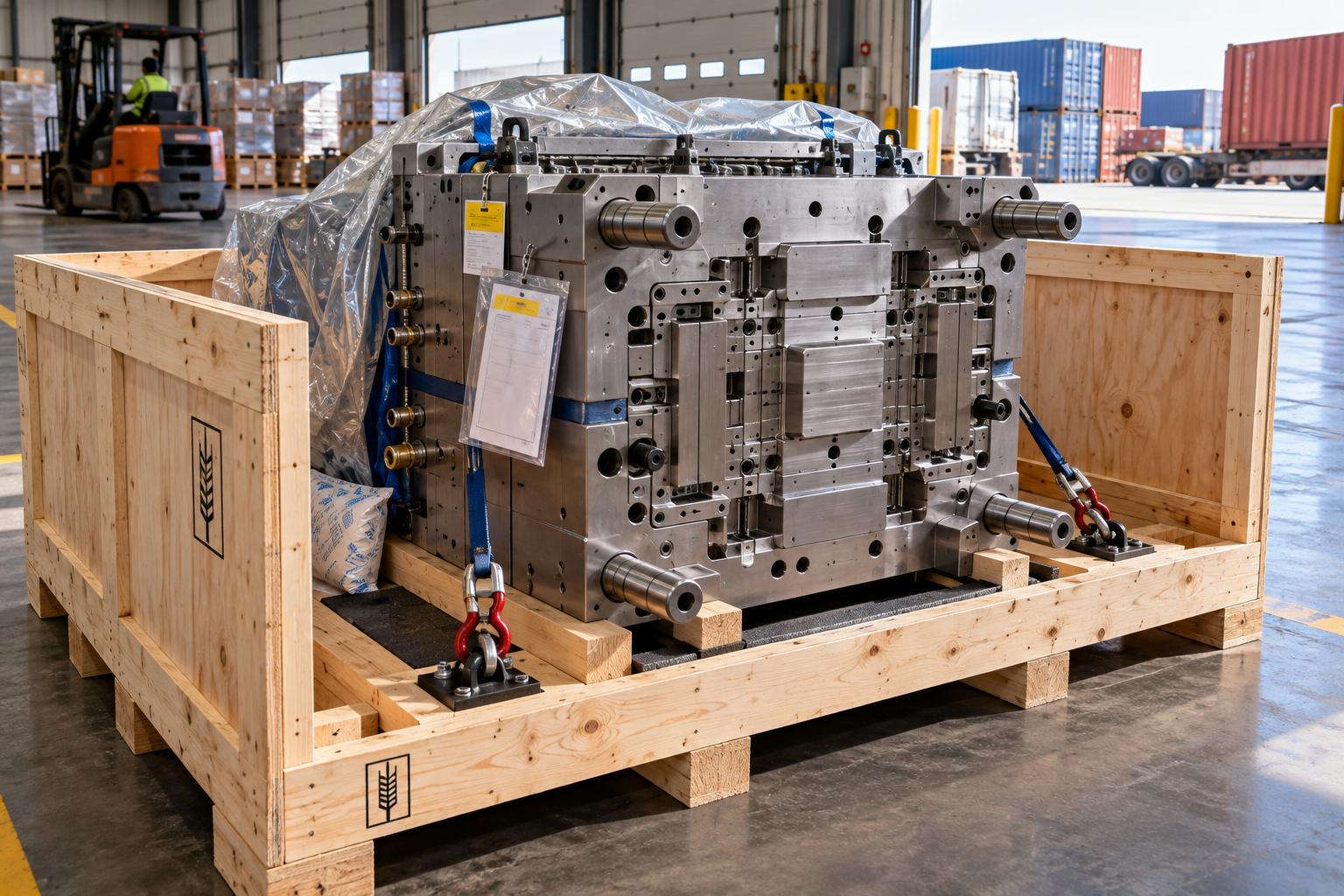
Tariff rules confuse many product designers and procurement managers. I remember when the United States government enacted the Section 301 tariffs on Chinese steel and tooling. Overnight, my company had to add nearly thirty percent in cash outlays to clear our steel tools at the port of Los Angeles. Many dishonest brokers still hide this line item until your crate arrives on the dock. You must calculate these import duties before you issue your purchase order.
Kenvox solves this trade challenge by giving customers flexible geographic options. We build molds in our Huizhou and Dongguan facilities, and we also operate complete precision manufacturing facilities in Vietnam. Our Vietnam team runs plastic injection presses, silicone lines, and metal machining centers. When you ship finished goods or production tools directly from Vietnam, you avoid punitive China tariffs while keeping competitive Asian tooling rates.
| Import Region | Tooling HTS Code | Base Duty Rate | Section 301 Duty | Total US Import Duty |
|---|---|---|---|---|
| China Mainland | 8480.71.80 | 3.1% | 25.0% | 28.1% |
| Vietnam Facility | 8480.71.80 | 3.1% | 0.0% | 3.1% |
| European Union | 8480.71.00 | 1.7% | 0.0% | 1.7% |
How Much Does a Mold Cost?
Are you wondering why one supplier quotes three thousand dollars while another quotes thirty thousand dollars for the same part? Large price gaps cause big project headaches. Let us look at realistic market numbers.
A production injection mold typically costs between $1,500 for a simple single-cavity prototype tool and $50,000 or more for a complex multi-cavity hardened production mold. Final prices depend on part size, mold steel type, number of cavities, surface texture, slide actions, and hot runner requirements.
Breaking Down Real Tooling Budgets by Industry Application
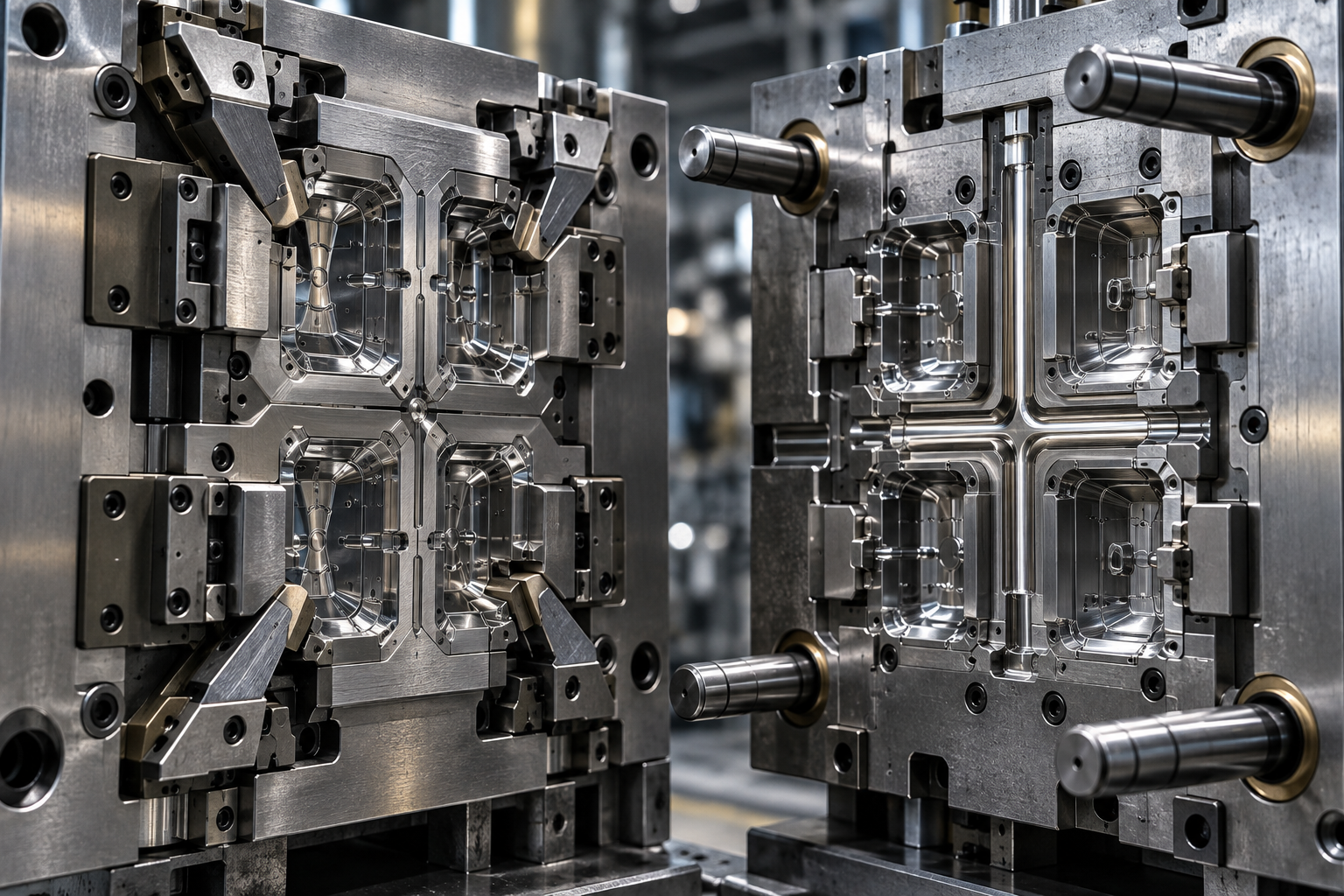
A mold quote is never just a single random number. When I design an injection molded part, I choose mold features based on product sales forecasts. If you only need five hundred units for clinical field tests, you should buy an aluminum or soft steel P20 prototype mold. That tool costs very little money. But if you want to produce one million electronic enclosures every year, soft steel will wear out quickly. You must invest in hardened H13 or S136 stainless steel tooling.
Many bad suppliers offer a very cheap initial price to win your contract. Then they bill you for mold base upgrades, mold trial resin, and sample shipping. Kenvox provides transparent itemized quotes. We clearly state the steel brand, expected shot life, runner system, and trial sample quantity. You know every cost factor before our machinists cut any metal.
| Mold Classification | SPI Class Rating | Typical Steel Used | Tool Life Expectancy | Average Cost Range (USD) |
|---|---|---|---|---|
| Rapid Prototype | Class 105 | Aluminum / NAK80 | 500 – 5,000 shots | $1,500 – $4,000 |
| Low Volume Production | Class 104 / 103 | P20 / 718H | 10,000 – 100,000 shots | $3,500 – $9,000 |
| Medium Production | Class 102 | H13 / 1.2344 | 500,000 shots | $8,500 – $22,000 |
| High Production Precision | Class 101 | S136 / 420 Stainless | 1,000,000+ shots | $20,000 – $60,000+ |
How to Calculate Mold Cost?
Do you want to know the exact formula mold makers use to calculate their tooling quotes? Guessing your tooling numbers makes contract negotiations difficult. I will show you the exact math behind every quote.
You calculate mold cost by adding five core components: raw mold steel costs, CNC machining and EDM labor hours, standard mold base and component purchases, engineering design fees, and mold testing expenses. Using an itemized formula ensures that you never overpay for your custom production tooling.
The Step-by-Step Tooling Calculation Formula
Professional mold designers use a systematic mathematical approach to calculate mold build costs. During my ten years in mechanical engineering, I developed a simple pricing equation that I use on every project. You can use this exact equation to evaluate any overseas supplier quote:
$$\text{Total Tool Cost} = M_c + C_s + L_m + E_d + T_t$$
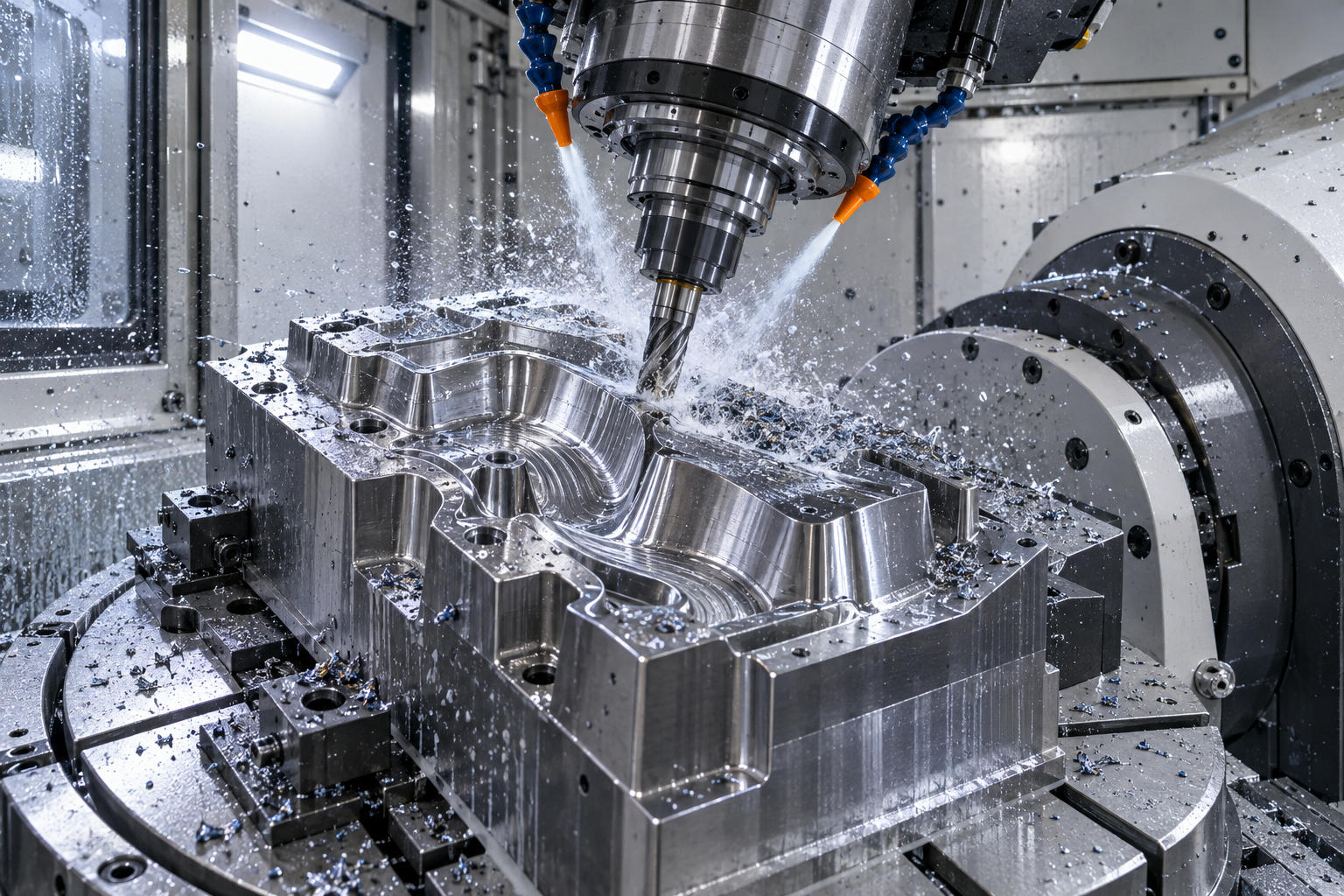
In this formula, $M_c$ represents your core and cavity steel block cost based on weight and steel grade. $C_s$ represents the standard components like the LKM mold base, ejector pins, cooling nipples, and hot runner nozzles. $L_m$ represents machining labor, including high-speed CNC milling, wire EDM cutting, surface polishing, and manual bench assembly. $E_d$ covers engineering design, mold flow simulation, and DFM generation. Finally, $T_t$ covers mold trial machine time, resin pellets, and CMM dimension inspection.
Shady factories hide extra profit in the labor and component steps. Kenvox shares complete design and manufacturing data openly with our customers. We build our business on long-term partnerships rather than one-time hidden markups.
| Cost Component | Description | Percentage of Total Cost | How Kenvox Keeps It Fair |
|---|---|---|---|
| Cavity & Core Steel ($M_c$) | Certified tool steel blocks (Assab, Finkl) | 15% – 25% | Direct steel mill material certificates |
| Standard Parts ($C_s$) | Mold bases, lifters, hot runners | 20% – 30% | Global standard parts (DME, Hasco, LKM) |
| Machining Labor ($L_m$) | High-speed CNC, mirror EDM, assembly | 35% – 45% | Efficient automated five-axis machine cells |
| Engineering ($E_d$) | 3D CAD design, DFM, mold flow analysis | 5% – 10% | Free upfront DFM review for all clients |
| Trials & QA ($T_t$) | T0/T1 trials, resin, CMM reporting | 5% – 10% | Free initial samples and dimensional reports |
Conclusion
Sourcing overseas injection molds does not require costly hidden surprises. Kenvox provides upfront pricing, expert engineering, and reliable dual-country manufacturing so your production runs smoothly every single time.