


How to Choose a Rapid Prototyping Partner: 10 Critical Factors
Are you struggling with prototype delays and bad parts that ruin your launch schedule? Picking the wrong manufacturing vendor wastes money and delays product testing.
Choosing a rapid prototyping partner requires evaluating ten key factors: material selection, manufacturing technologies, lead times, quality certifications, cost transparency, engineering communication, scalability, DFM support, factory location, and verified references. Balancing these points ensures reliable prototype delivery.
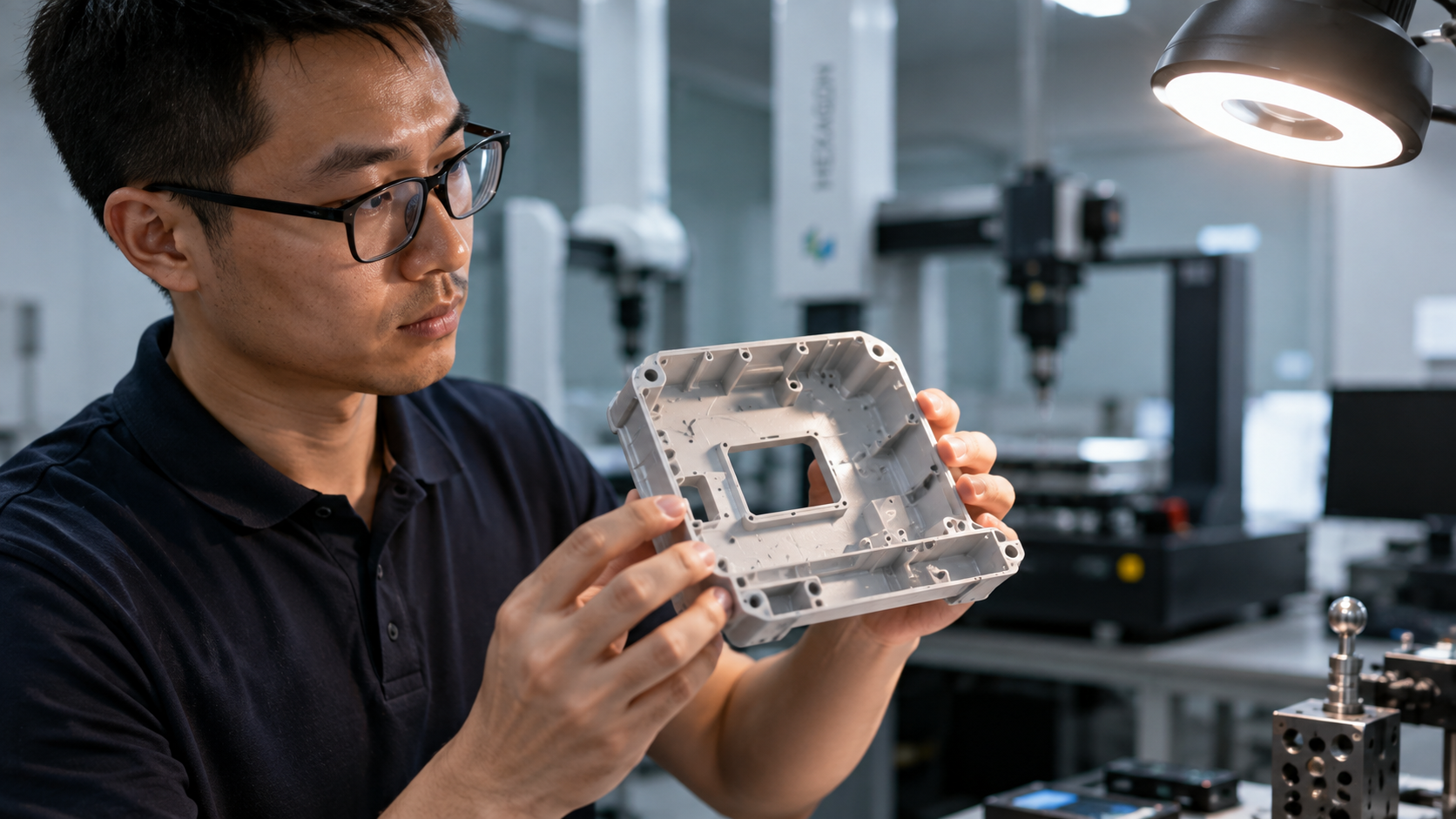
Finding the right prototyping vendor can make or break your product launch schedule. I remember a project three years ago where a supplier promised a five-day turnaround for a complex overmolded part, but they failed to check the mold shrinkage rates and delivered useless components late. That costly mistake taught me to evaluate partners using a strict set of criteria. Below are the ten factors you must inspect before signing your next prototyping contract.
Factor 1: Material Capabilities?
Are you worried that your prototype will fail because your vendor lacks the specific engineering plastic or metal alloy you need? Using wrong materials leads to inaccurate functional testing.
A quality rapid prototyping partner must stock a wide range of production-grade plastics, elastomers, and metals to match your exact mechanical requirements. They should also support custom material compounding and certified resin data sheets.
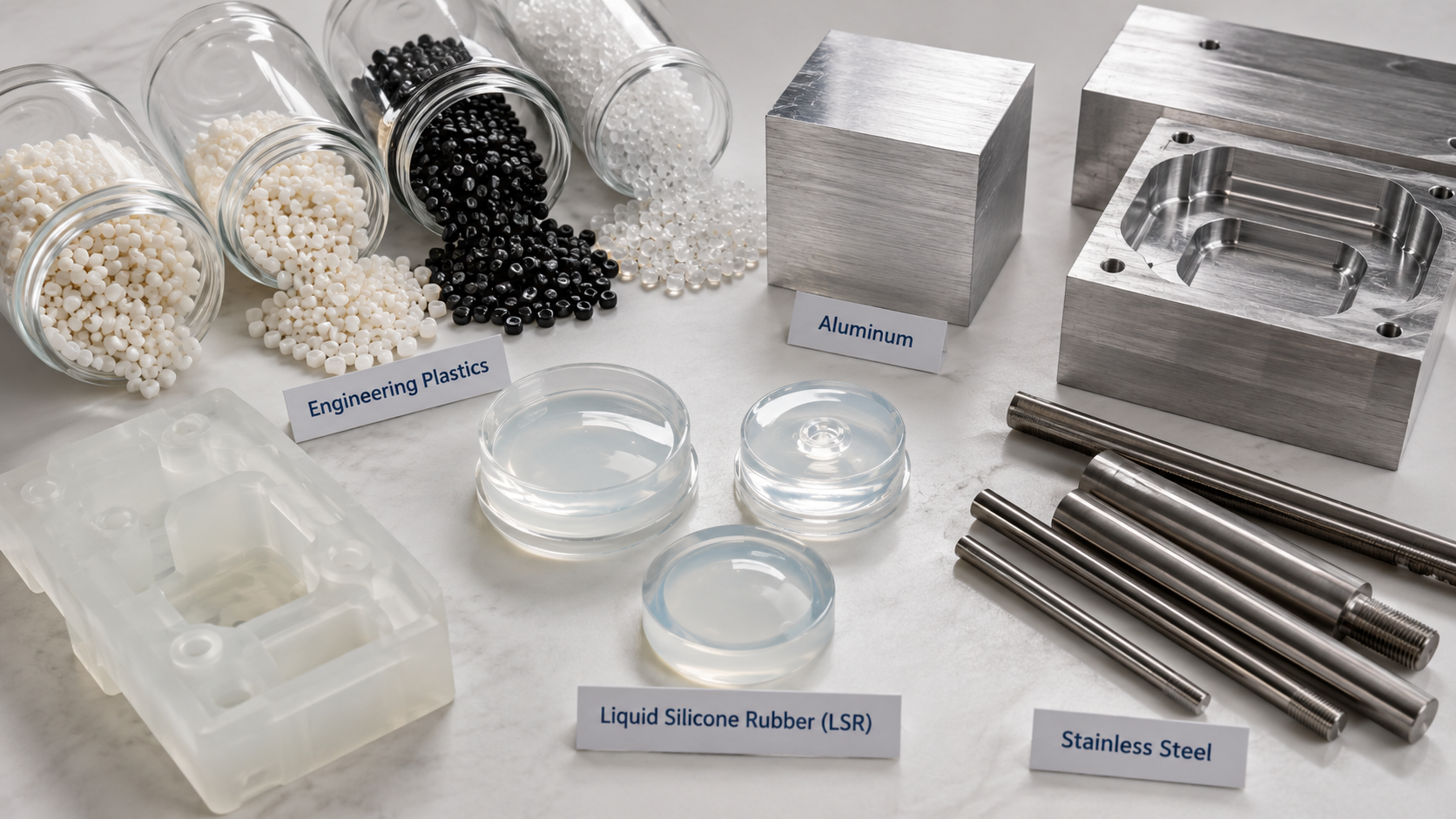
When I design plastic components, I need to know that the prototype matches the end-use product characteristics. If a vendor offers only generic 3D printing filaments, you cannot perform proper impact tests or thermal validations. You need a partner who works directly with real engineering resins like ABS, PC, PA66, liquid silicone rubber (LSR), and metals like aluminum 6061 or stainless steel.
| Material Category | Common Options | Primary Application |
|---|---|---|
| Engineering Plastics | ABS, PC, POM, PA66+GF | Structural enclosures, gears, snap fits |
| Silicone & Elastomers | LSR, TPE, TPU | Seals, gaskets, soft-touch overmolding |
| Metal Alloys | Aluminum 6061/7075, Stainless Steel | High-strength structural parts, heat sinks |
Work with vendors who provide material test certificates. This documentation proves your prototype will perform just like your final mass-production parts.
Factor 2: Technology Range?
Does your vendor push you toward SLA printing simply because they do not own CNC machines or silicone tooling? Relying on a single process limits your design choices.
A strong prototyping partner provides multiple manufacturing processes, including CNC machining, 3D printing, vacuum casting, sheet metal stamping, and rapid injection molding under one roof.
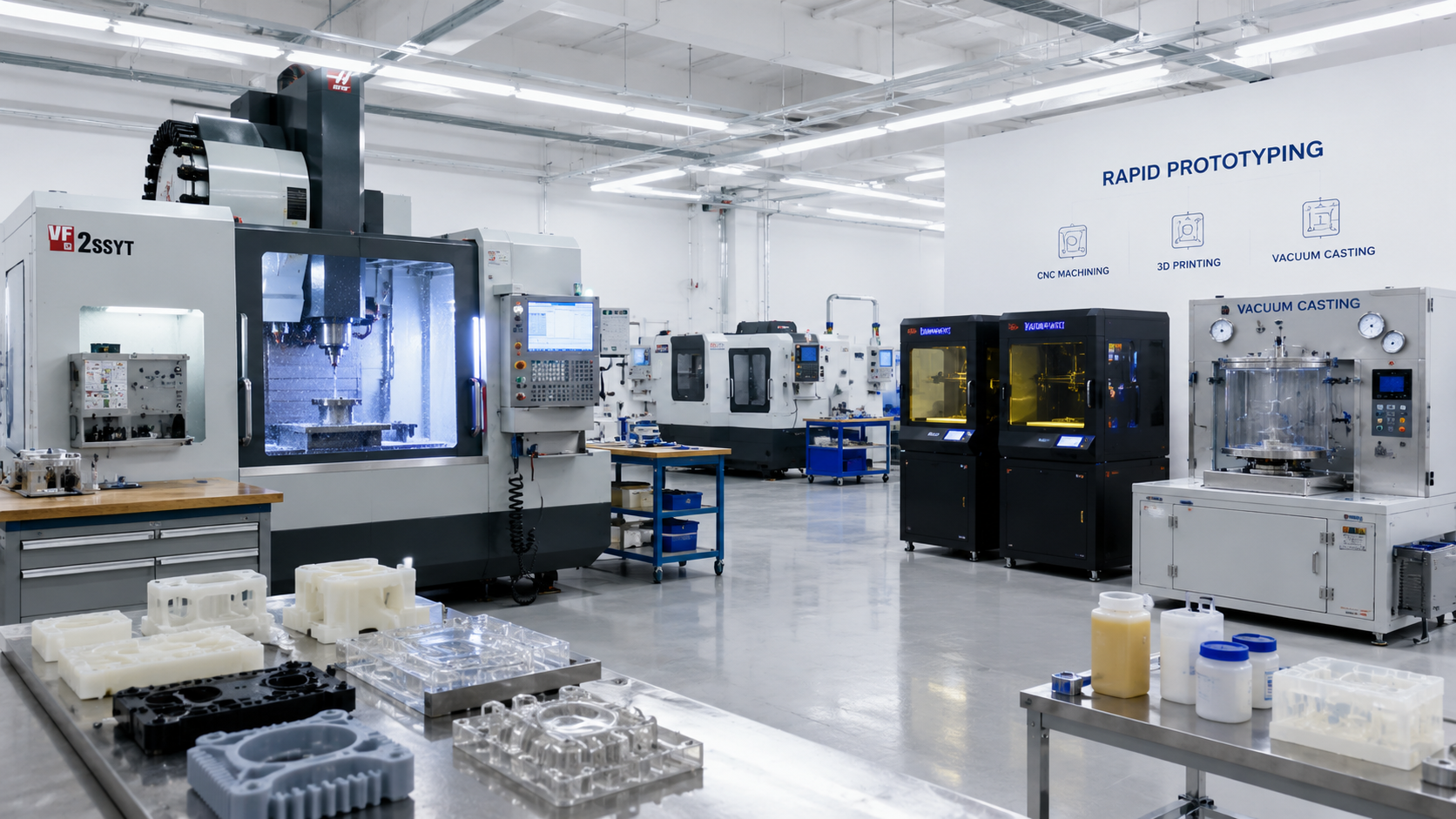
Different design stages require different manufacturing technologies. Early concept models might need quick SLA 3D prints to check visual proportions. Later engineering stages require CNC machined parts or low-volume silicone tooling to verify mechanical fit and real assembly feel.
[Concept Phase] -> SLA / SLS 3D Printing (Fast visual check)
│
[Validation Phase] -> CNC Machining / Vacuum Casting (Functional test)
│
[Pre-Production] -> Rapid Tooling / Overmolding (Low-volume test runs)
If your vendor offers only one technology, they will try to fit your design into their limited process. A turnkey partner analyzes your CAD model and recommends the best method for your target timeline and part strength needs.
Factor 3: Turnaround Time?
Are missed deadlines causing your project team to delay critical field testing and client presentations? Slow prototype delivery ruins your time-to-market advantage.
A reliable supplier provides clear, binding production timelines and offers express shipping options to deliver finished prototypes within 3 to 10 working days.
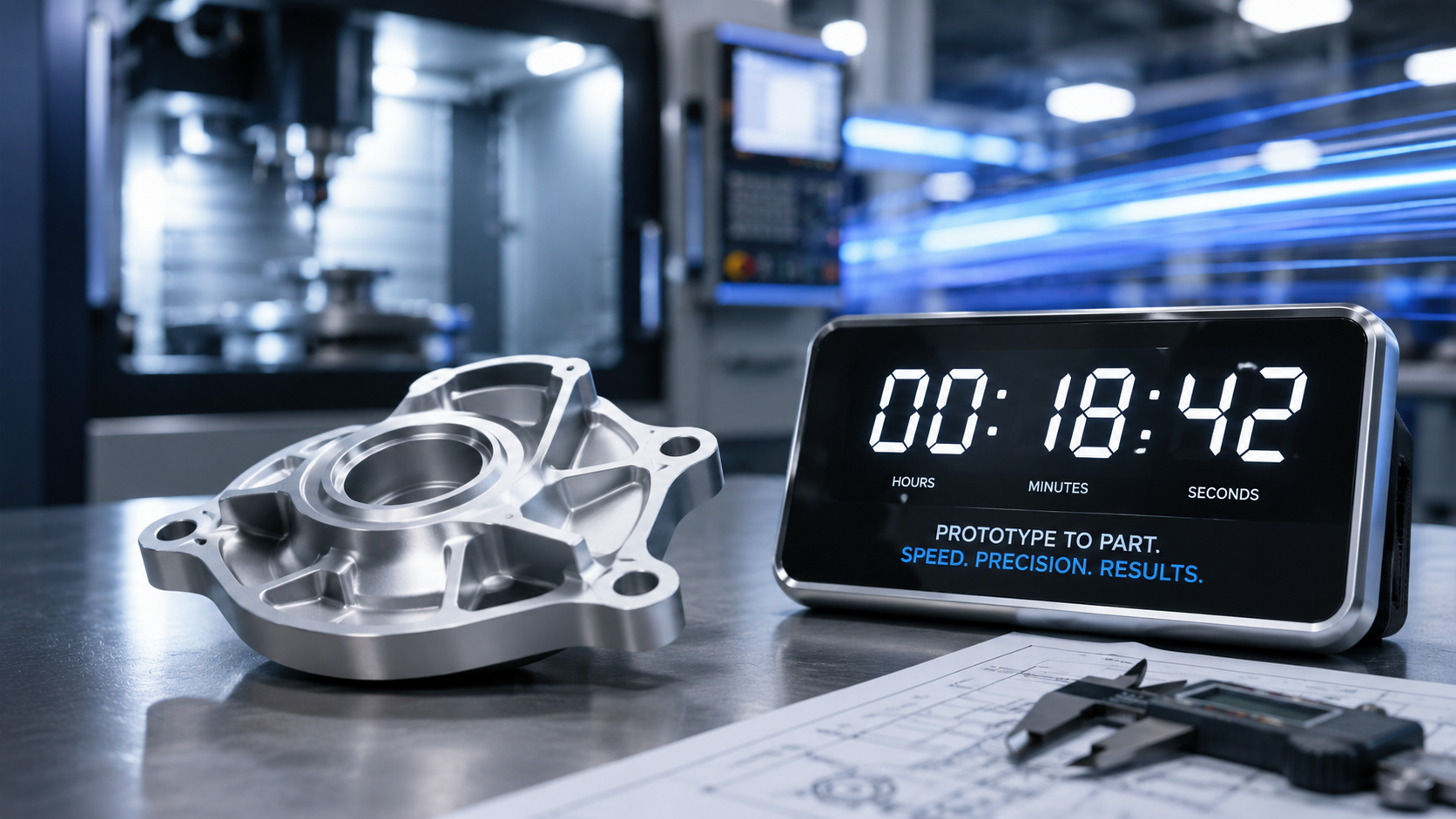
Speed is the main reason we build prototypes. When I am managing tight project deadlines, waiting four weeks for a simple plastic cover is unacceptable. Fast suppliers use automated quoting systems, high-speed CNC centers, and dedicated project managers to cut down lead times.
| Prototyping Process | Standard Lead Time | Express Option |
|---|---|---|
| 3D Printing (SLA/SLS) | 2 to 4 Days | 24 to 48 Hours |
| CNC Machining | 5 to 7 Days | 3 Days |
| Rapid Silicone Tooling | 7 to 12 Days | 5 Days |
Always ask your vendor how they handle project delays. A professional supplier tracks machine schedules in real time and keeps you updated on every step of production.
Factor 4: Quality Certifications?
Do you fear receiving out-of-tolerance parts that fail during your assembly tests? Uncertified shops often skip essential quality control steps to save costs.
Choose a supplier certified under ISO 9001 and IATF 16949 standards, equipped with advanced inspection tools like Coordinate Measuring Machines (CMM) and optical scanners.
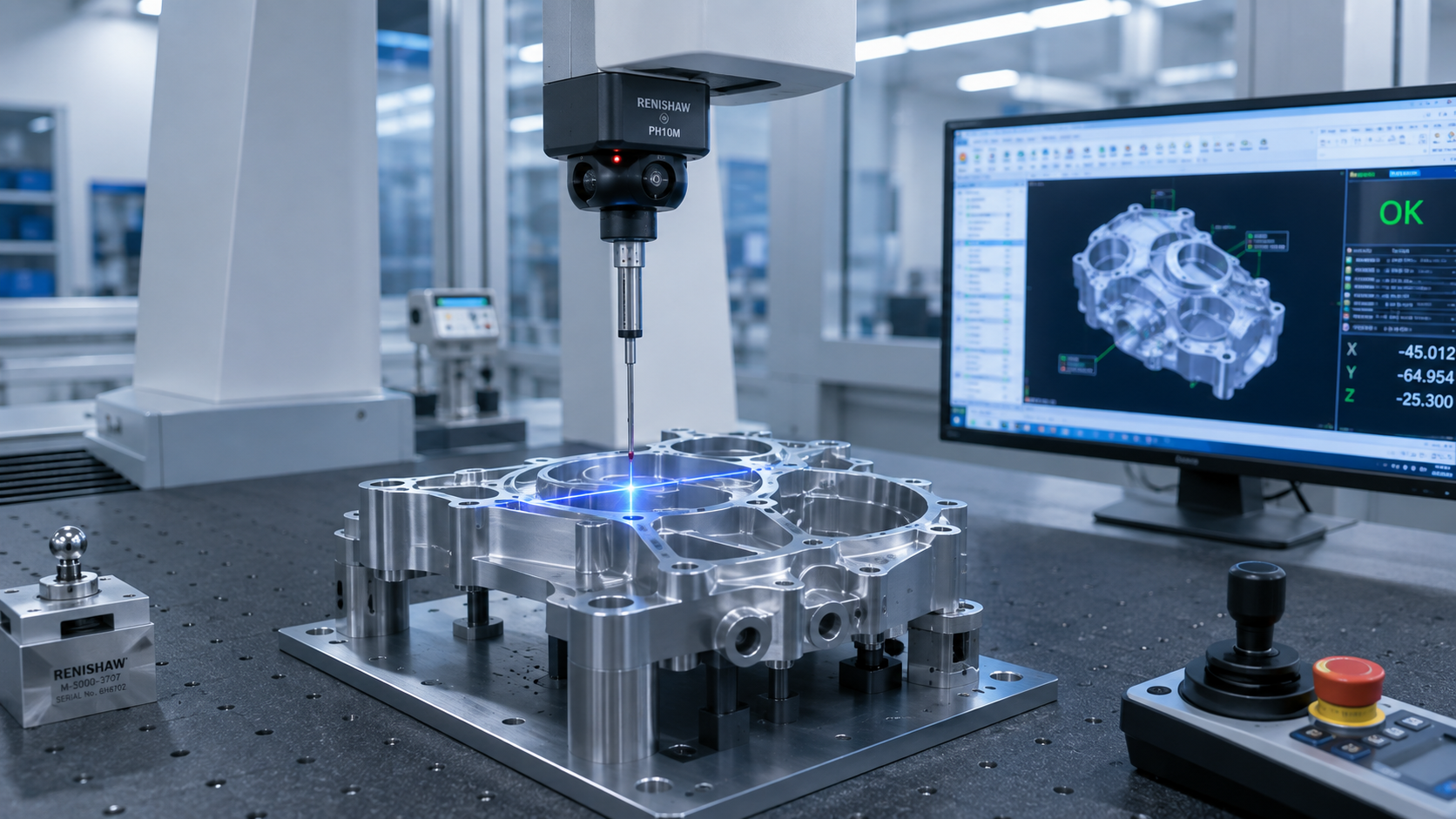
Quality control is not optional when building precision components. I once received a batch of machined housings where the bearing pockets were oversized by half a millimeter because the supplier skipped their final inspection. That single error stopped our entire test rig for two weeks.
- Incoming Inspection: Verification of raw plastic resins and metal stocks before production.
- In-Process Inspection: Real-time machine monitoring and dimensional checks during milling or molding.
- Final Inspection: Full CMM measurement reports, 3D scanning verification, and surface finish checks.
Certified shops follow strict quality management workflows. They provide full measurement reports and material traceability for every prototype run.
Factor 5: Cost Transparency?
Are hidden fees and sudden price increases breaking your prototyping budget? Vague quotes make it impossible to forecast your total development costs accurately.
A trustworthy rapid prototyping vendor provides itemized quotes breaking down material costs, machining hours, surface finishing, and shipping charges without hidden fees.
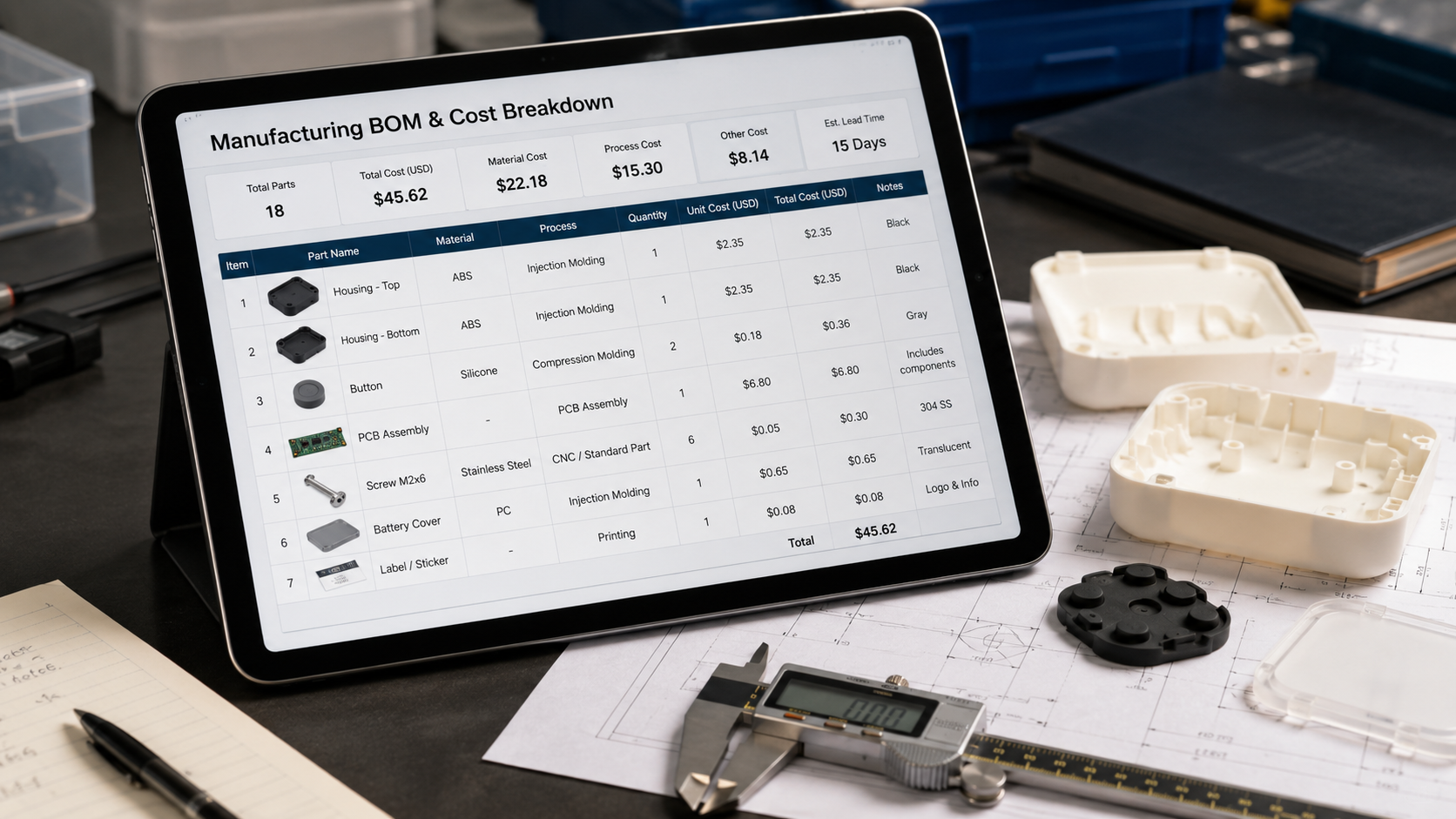
When I submit a CAD file for quotation, I expect to see exact cost breakdowns. Some shops give low initial quotes, but later charge extra fees for standard CAD adjustments, basic surface texturing, or export documentation.
| Cost Element | What to Look For | Red Flag |
|---|---|---|
| Setup & Tooling | Fixed upfront price | Unannounced setup fees |
| Unit Part Price | Scaled by order volume | Flat high rates for extra units |
| Post-Processing | Clear per-finish fees | Vague bulk finishing charges |
Demand a complete cost breakdown upfront. Transparent pricing lets you adjust part features or quantities to fit your target project budget easily.
Factor 6: Communication?
Are slow email responses and language barrier issues delaying your engineering fixes? Poor vendor communication creates costly design misunderstandings.
Select a partner with direct English-speaking project engineers who respond within 24 hours and provide active updates through every phase of production.
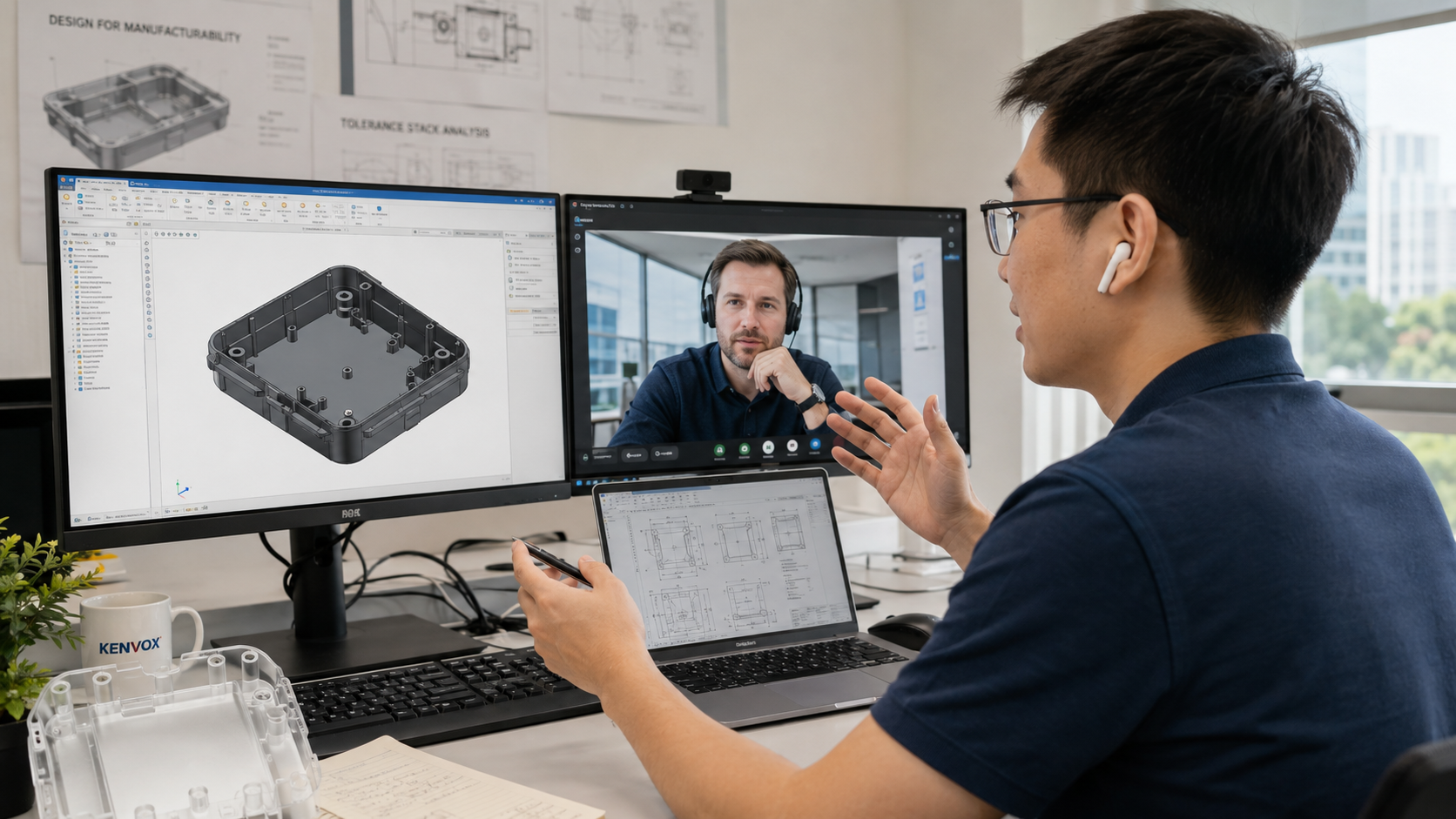
Prototyping requires constant dialogue between the design team and the shop floor. If you have to wait two days just to clarify a thread tolerance, your project loses momentum. Direct access to experienced project engineers cuts down miscommunication.
[Your Design Request] -> Direct Technical Contact -> [Engineer Review]
│
[Instant Feedback / CAD Fixes] <—————————-┘
Look for suppliers who assign a dedicated technical project manager to your account. This engineer should review your drawings, host online technical meetings, and update you promptly if design issues appear.
Factor 7: Scalability ?
Will your prototyping shop abandon you when you need to transition from 10 sample parts to 10,000 production units? Most small prototype shops cannot scale.
A scalable prototyping partner handles early prototype validation and scales directly into low-volume production and full bridge molding without changing suppliers.
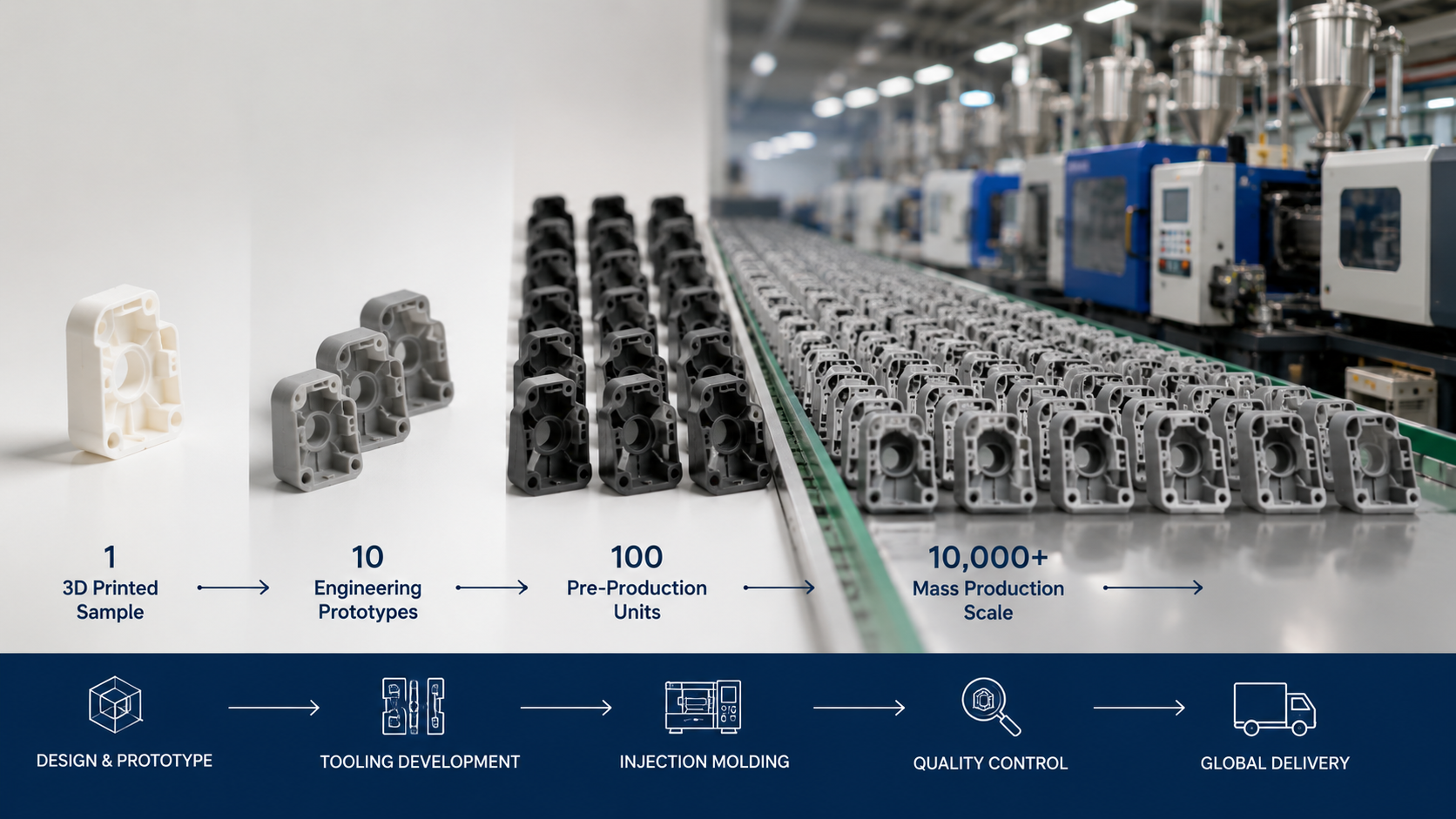
Moving from a prototype to pilot production is a risky phase in product development. If your prototype vendor cannot build production tooling, you must transfer your CAD files and manufacturing knowledge to a brand-new factory. This reset wastes time and creates quality variations.
- Stage 1: Initial prototypes (1 to 10 parts via CNC or 3D printing).
- Stage 2: Functional testing (10 to 100 parts via silicone tooling).
- Stage 3: Pilot production (100 to 10,000 parts via rapid injection molds).
Choosing a partner with large-scale factory resources ensures your product transitions smoothly from early design validation straight into mass manufacturing.
Factor 8: Design Support?
Are you tired of suppliers making parts exactly to CAD even when obvious design errors exist? Passive vendors waste your money on unmanufacturable parts.
An expert prototyping partner offers free Design for Manufacturability (DFM) reviews, suggesting CAD edits that reduce part cost and prevent moulding defects.
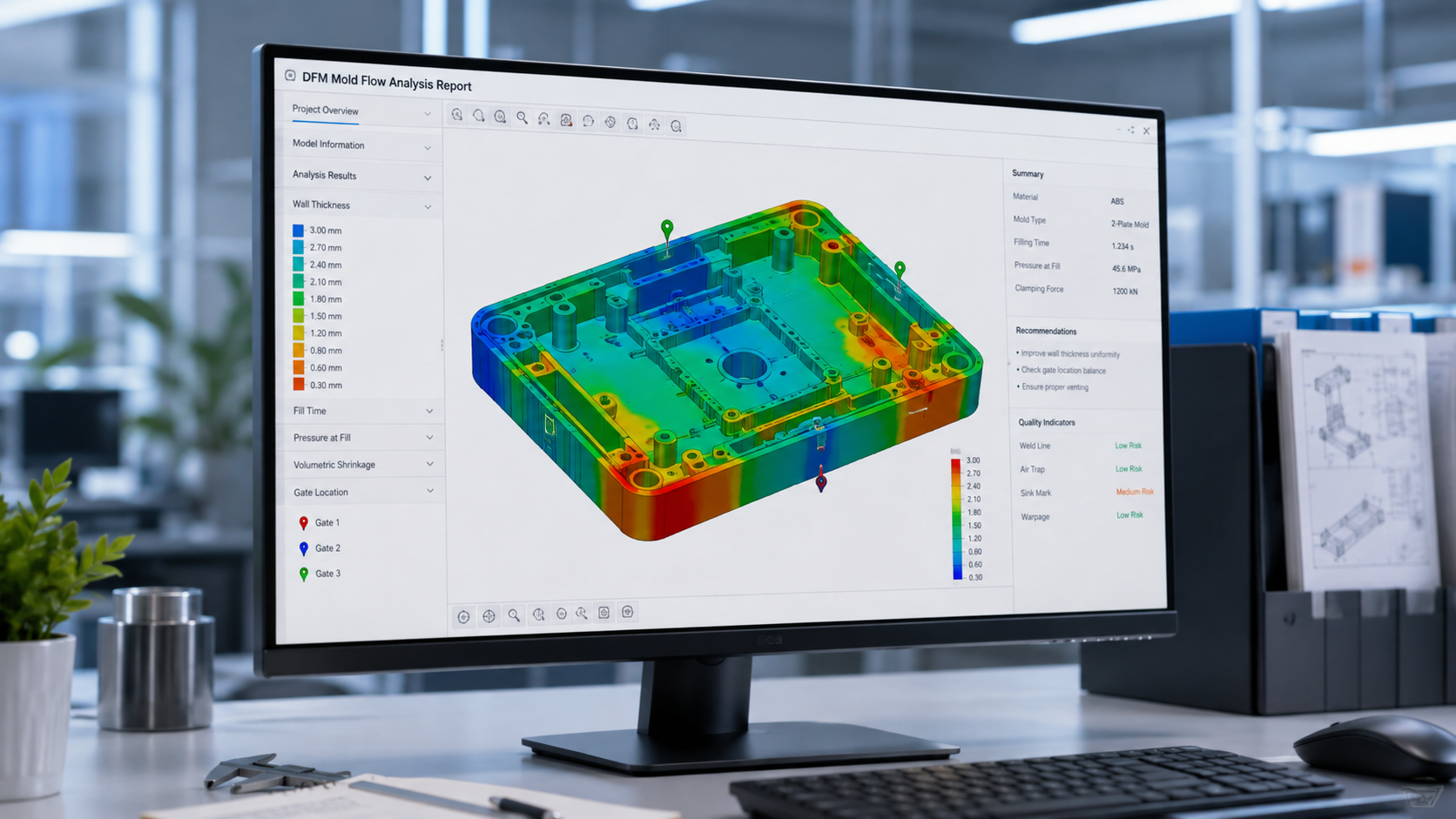
Even experienced mold designers miss minor details like wall thickness variations, tight radii, or bad draft angles. A good manufacturing partner does not just run machines blindly. They check your files before cutting metal or printing plastic.
| DFM Check Area | Common Design Flaw | Proposed Engineering Fix |
|---|---|---|
| Wall Thickness | Uneven wall sections | Standardize walls to prevent sink marks |
| Mold Draft | Zero degree vertical walls | Add 1° to 2° draft for clean part ejection |
| Radii & Corners | Sharp internal corners | Increase corner radius for CNC tool path |
A comprehensive DFM report highlights sink mark risks, gate locations, and high-stress areas. This free feedback saves you from expensive tooling revisions down the road.
Factor 9: Location?
Are high overseas shipping costs and long transit times ruining your tight development schedules? Factory location impacts total lead time and logistics control.
Partnering with a supplier that maintains global manufacturing hubs and regional support teams ensures fast, cost-effective shipping and easy real-time communication.
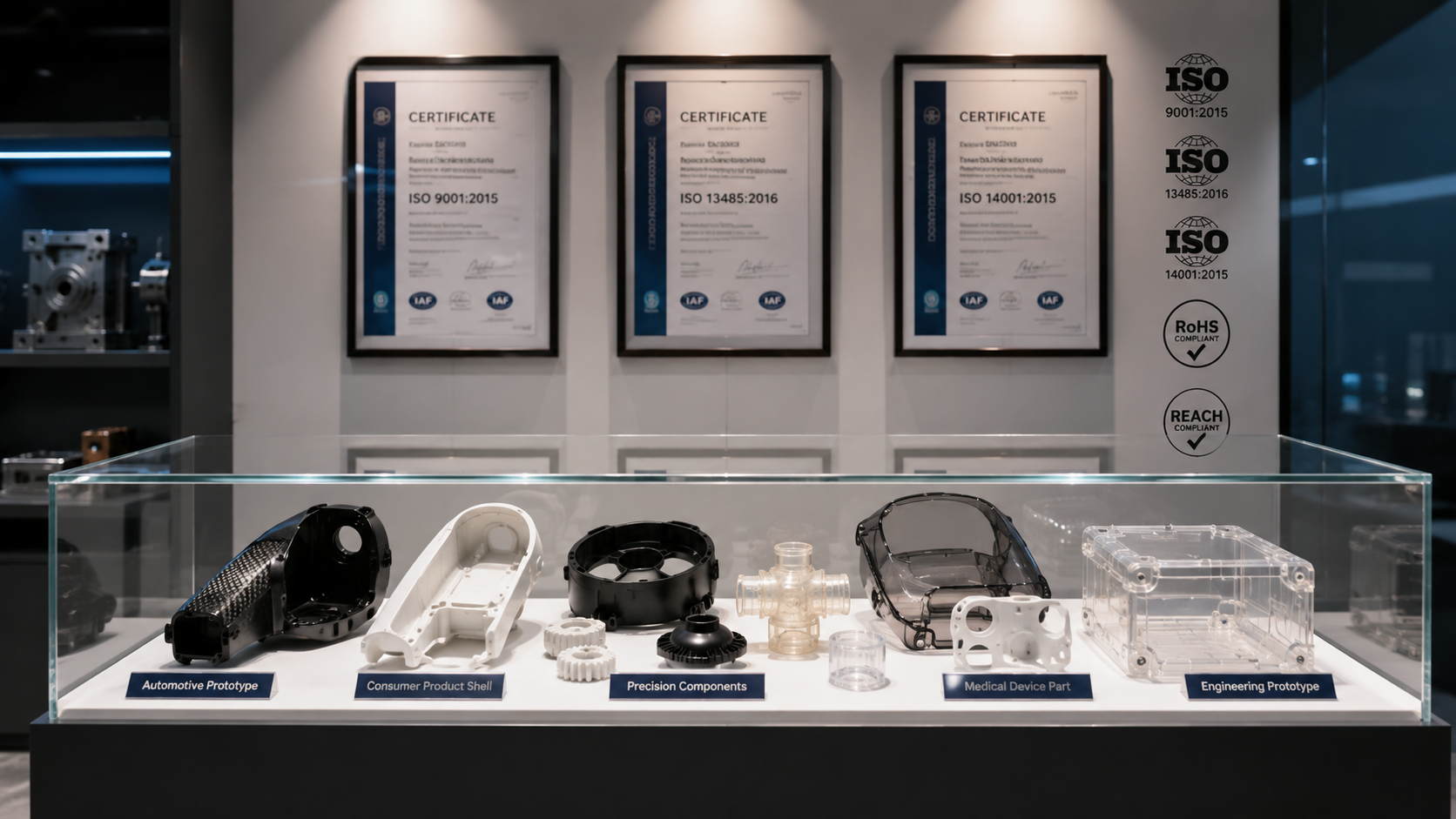
Where your parts are made matters just as much as how they are made. Overseas suppliers with modern manufacturing centers in East Asia or Southeast Asia offer strong cost advantages and huge production capacity. However, you must ensure they have established logistics channels.
[Factory Production] -> Direct Express Air Freight -> [3-5 Day Delivery to USA/EU]
│
└———> Regional Sales Support (Local Time Zone Help)
Look for vendors with local sales engineers or overseas support offices. This setup gives you regional customer service while leveraging global manufacturing scales.
Factor 10: Reviews and References?
How can you verify that a prototyping supplier actually delivers on their marketing promises? Unverified vendors can lead to poor quality and missed deadlines.
Always check client testimonials, case studies, and reference customers from target industries like automotive, consumer electronics, or medical devices.
Marketing websites always present perfect photos, but real customer reviews tell the true story. Before placing a major order, I always research the supplier’s track record with established global brands and independent design firms.
- Industry Experience: Look for case studies matching your specific market standards.
- Client Retention: Check if international clients place repeat production orders.
- Third-Party Proof: Verify factory audits, video shop tours, and customer feedback.
A reputable vendor willingly shares success stories and displays real part samples. Partnering with a proven supplier gives you confidence that your project is in safe hands.
Red Flags to Watch For ?
Are you worried about falling into common traps when selecting a prototyping vendor? Spotting vendor red flags early saves your budget and timeline.
Watch out for vendors who offer unrealistically low quotes, lack formal quality certificates, refuse to sign non-disclosure agreements, or fail to provide DFM feedback.
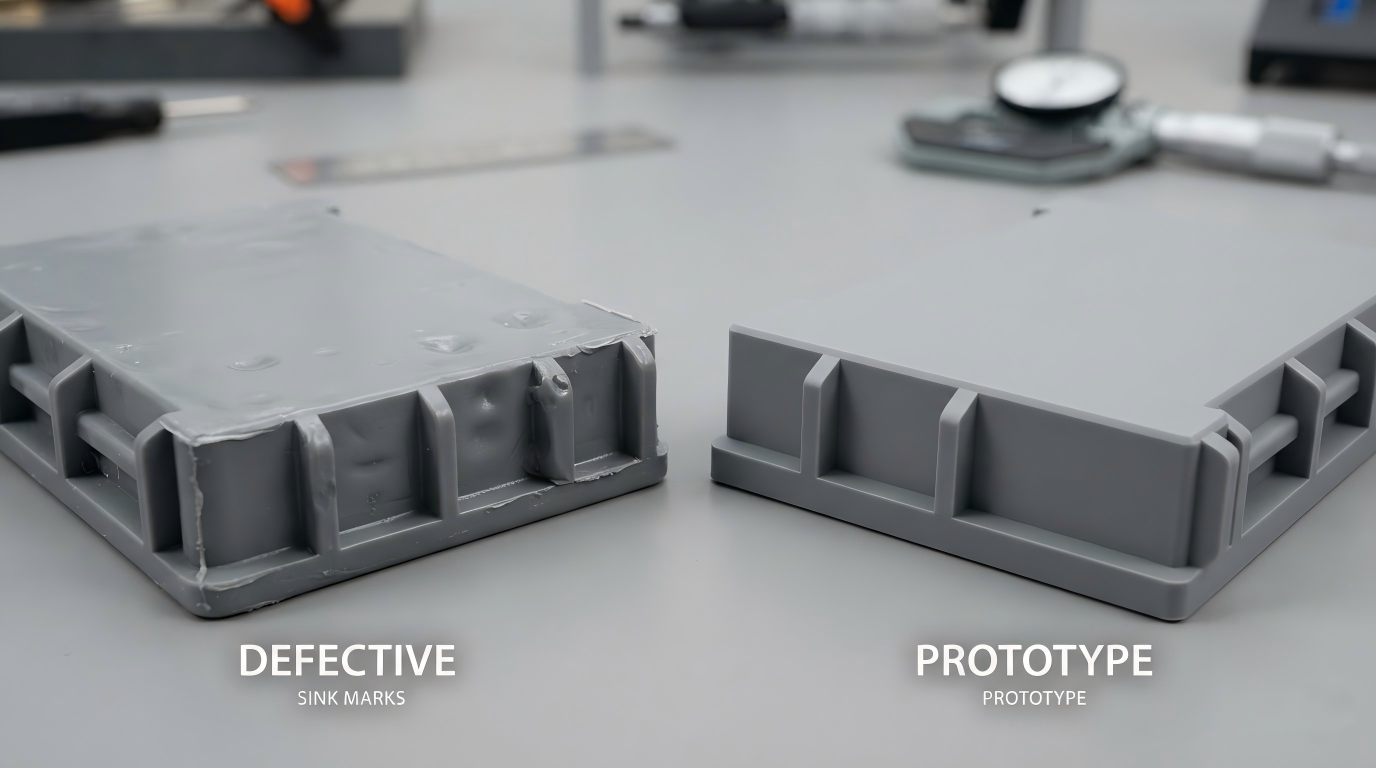
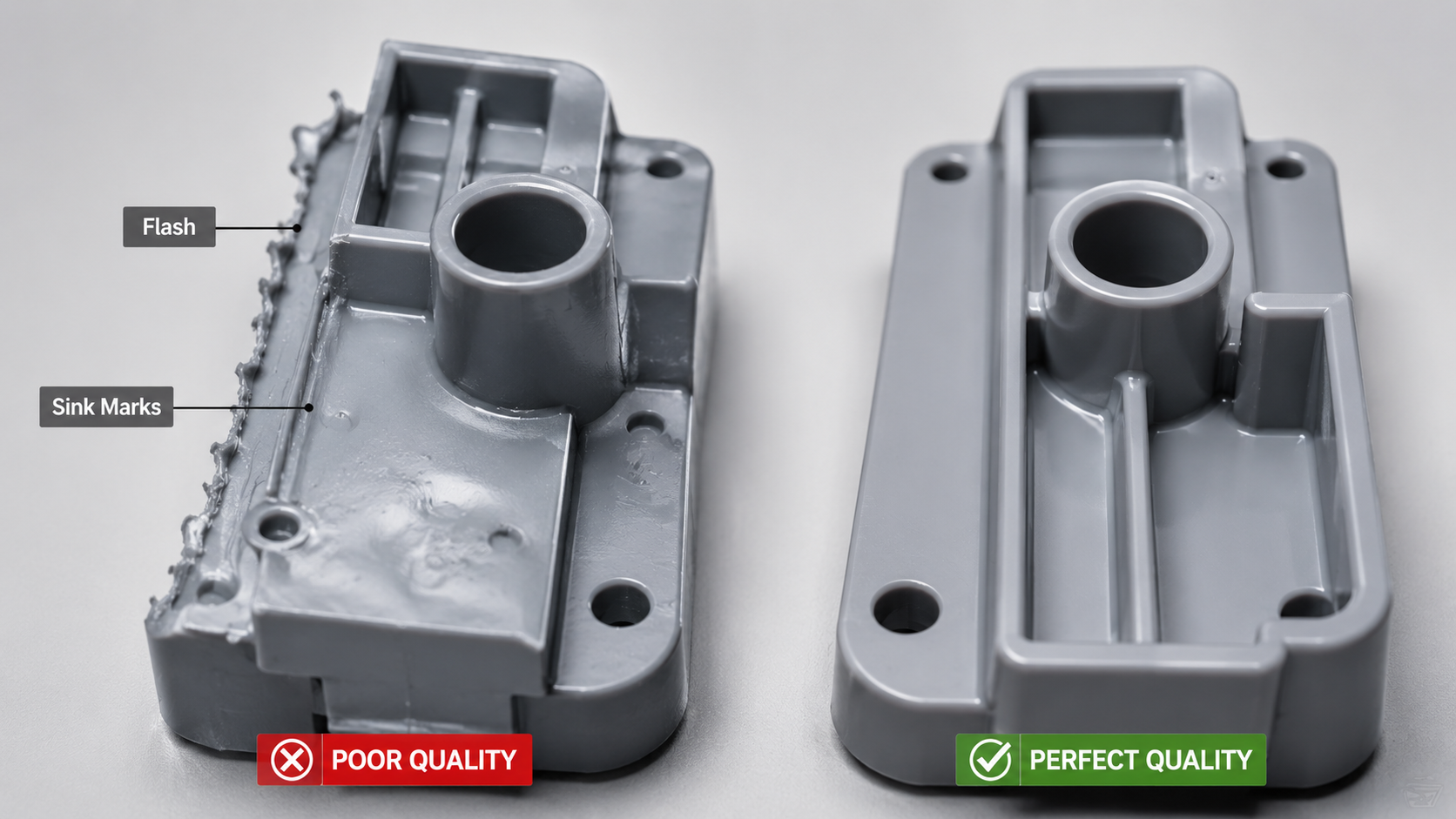
In my ten years of designing plastic and mold components, I have seen many projects fail due to bad supplier choices. Extremely cheap quotes usually mean the vendor uses recycled low-grade resins or skips key inspection steps.
[Suspiciously Low Quote] -> Low-grade Materials -> Machining Errors -> Project Delays
Another major red flag is poor data security. If a supplier hesitates to sign a Non-Disclosure Agreement (NDA), walk away immediately. Your CAD designs and intellectual property must stay safe.
Why Kenvox Meets All 10 Factors?
Are you looking for a trusted turnkey partner to bring your complex product designs from concept into high-quality production? Kenvox offers full manufacturing support.
Kenvox combines 35+ years of tooling experience, ISO certified plants, advanced multi-material capabilities, and responsive English-speaking engineers to fulfill all your prototyping needs.
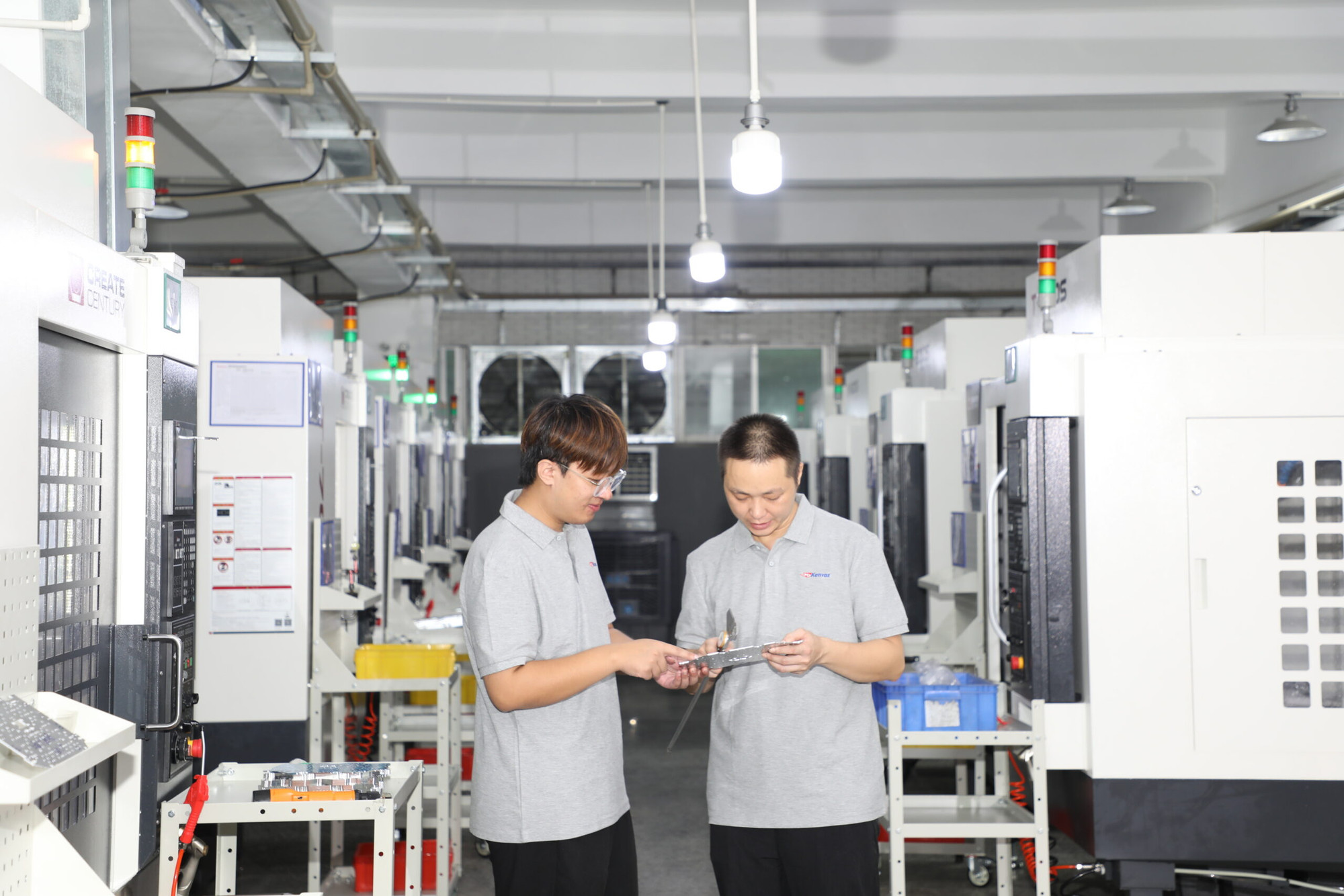
At Kenvox, we make mold and prototype knowledge accessible while delivering top-tier manufacturing services. We operate modern facilities across Dongguan, Huizhou, Shenzhen, and Vietnam, giving you flexible capacity and turnkey convenience.
| Kenvox Core Capability | What It Means for Your Project |
|---|---|
| Turnaround Speed | CNC prototypes and silicone samples delivered in days |
| Multi-Material Support | Plastic injection, LSR silicone, overmolding, and metals |
| Quality Control | ISO 9001, IATF 16949, and Class 10,000 clean-room molding |
| Engineering Support | Direct DFM reports from project engineers with 10+ years experience |
We serve major global brands like CASIO and BROTHER, providing smooth project management from your initial CAD file all the way to final mass production.
Conclusion
Selecting the right rapid prototyping partner requires checking material options, precision technology, speed, certified quality, and DFM support to ensure smooth product launches.
Call to Action
Ready to transform your design into a perfect finished product? Contact Kenvox today at https://kenvox.com/contact/ for a free quote and professional DFM review on your project!