


Liquid Silicone Rubber vs. Thermoset Silicone: What’s the Best Choice for High-Volume Molding?
Choosing the wrong material for high-volume production can ruin your timeline. It can also drain your budget. I have seen many projects fail because of this simple choice.
Liquid Silicone Rubber (LSR) is the best choice for high-volume, complex parts. It flows into tight spaces and cures fast. Thermoset silicone, or High Consistency Rubber (HCR), is better for big, simple parts. It costs less to start.
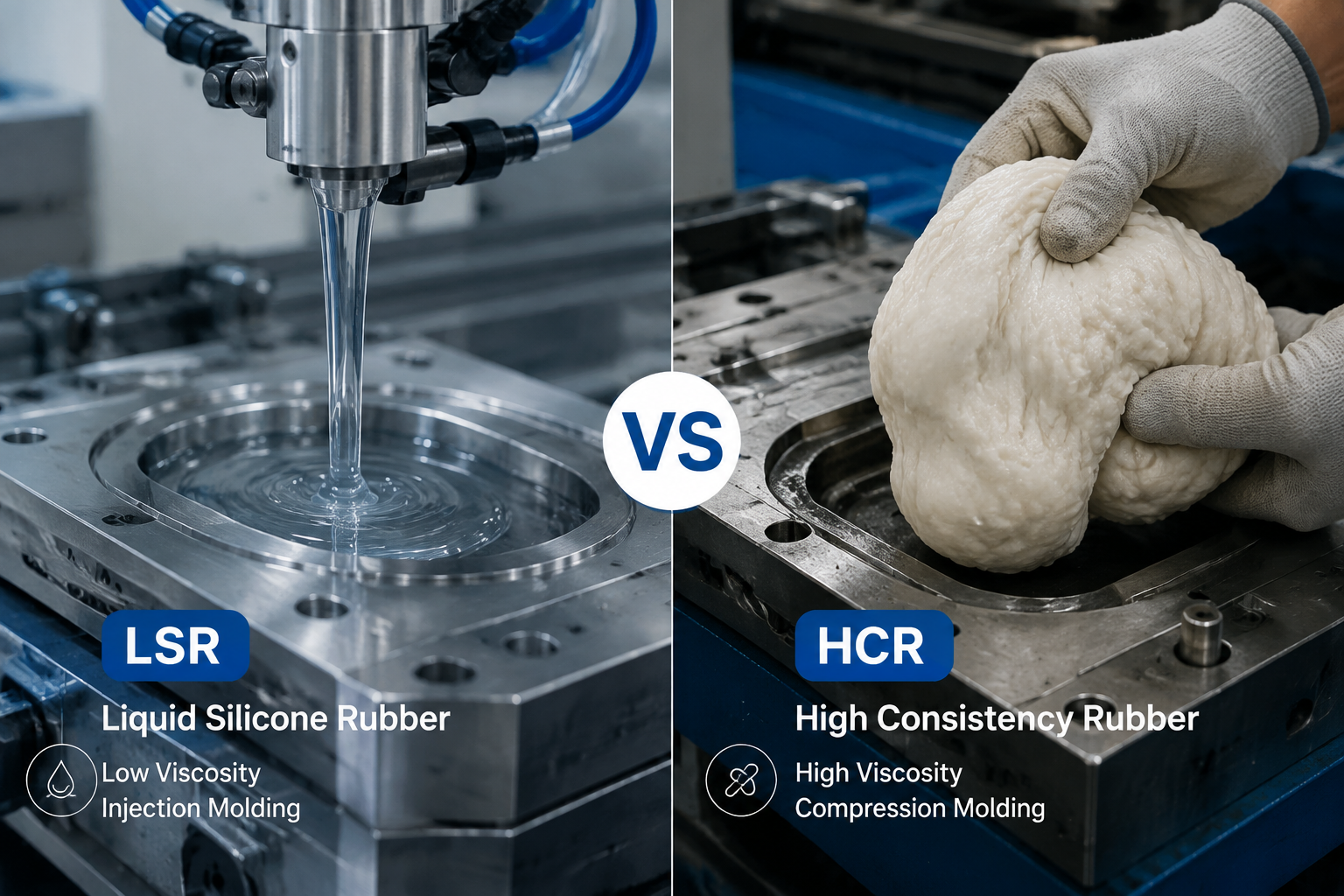
Both materials handle heat very well. They are both safe for medical and food use. But they work in very different ways. Let’s look at which one is right for you.
What type of silicone is best for mold making?
Making the mold itself is a big task. You want the mold to capture every detail. But you also want it to be easy to use.
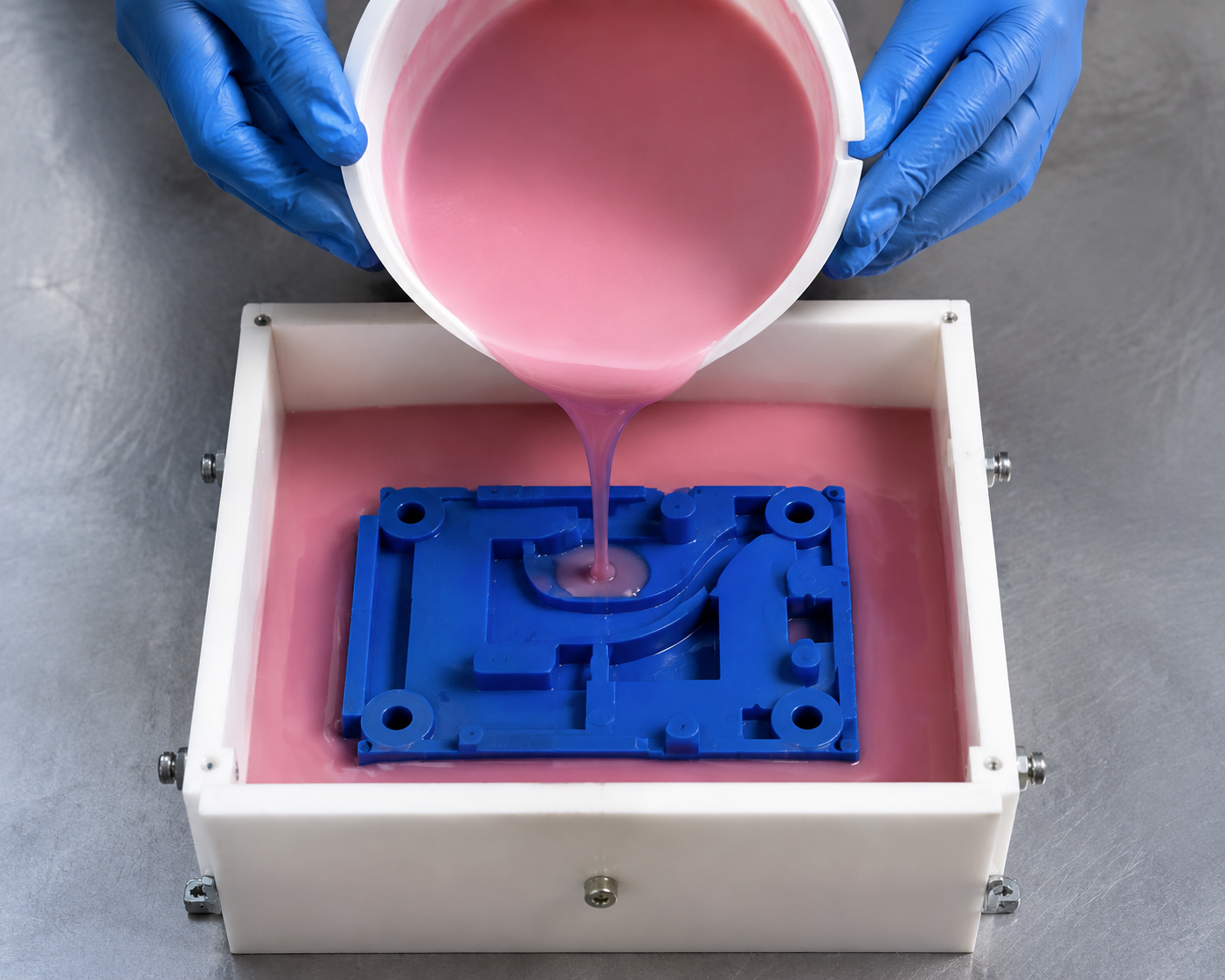
For making the mold, RTV silicone is usually the best. It is a liquid that cures at room temperature. It captures fine details well. It is easy to pour into a box around your model.
Using Silicone for Molds
RTV silicone is the standard for making molds. It comes in two parts: a base and a catalyst. You mix them together and pour them. It cures slowly at room temperature. This is great for prototyping and low-volume runs. It also has very low shrinkage. This means your parts will be the right size.
Making Silicone Parts
When you are making the actual parts, LSR is the king. It is a liquid that you inject into a hot mold. This is called Liquid Injection Molding (LIM). It is fast and clean. It is perfect for making thousands or millions of parts. It captures very fine details, even in thin walls.
| Mold Type | Best Silicone | Why? |
|---|---|---|
| Making the Mold | RTV Silicone | Easy to pour, captures detail, low shrinkage. |
| Making the Parts | LSR | Fast, precise, automated. |
I use LSR for most of my high-volume projects. It saves a lot of time and labor. I also use RTV when I need to make a quick mold for a prototype. It is very versatile.
Which is better, silicone or liquid silicone?
People often ask me this. The answer is not simple. It depends on what you are making. "Silicone" is a big group of materials. "Liquid silicone" (LSR) is just one type.
Silicone is better for simple, large parts. Liquid silicone is better for small, complex parts. You should choose based on your volume and your budget.
Choosing LSR
LSR is a liquid. It flows like water. You inject it into a mold. This process is very fast. It can run 24 hours a day without people watching it. It is great for medical devices and baby products. It is very clean. It does not leave much waste.
Choosing HCR
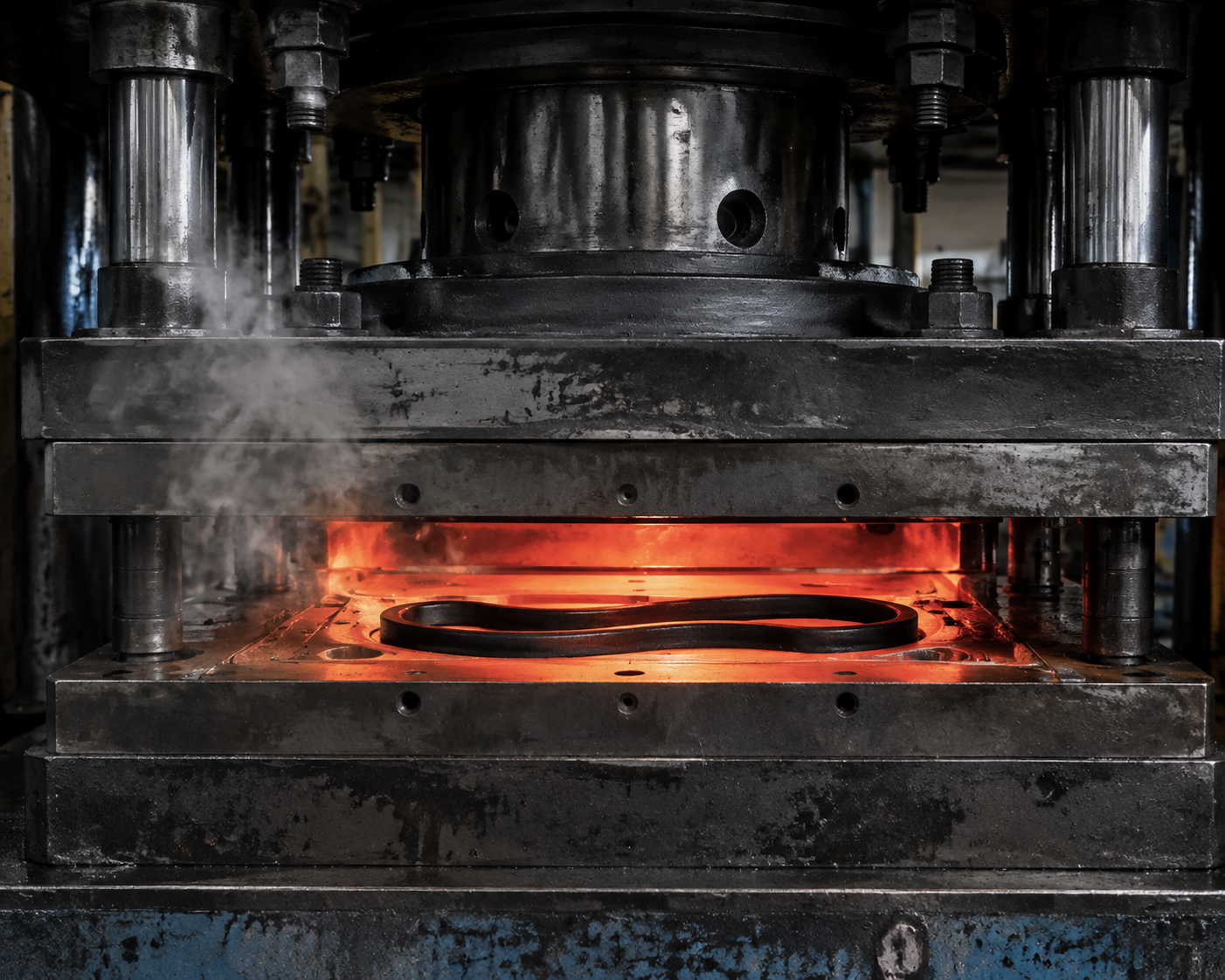
HCR is a solid, like a rubber band. You have to put it in a hot mold and squish it. This is called compression molding. It is slower. It needs more people. But the machines are cheaper. It is good for big parts like gaskets or seals. It is also good for parts that need to be very tough.
Critical Thinking: When to Choose What
I think about the total cost. LSR machines are expensive. But they are fast. HCR machines are cheap. But they are slow. If I make 100,000 parts, I choose LSR. If I make 1,000 parts, I choose HCR. It is a math problem. I also think about the part design. If it is thin and complex, LSR is the only way to go.
What are the downsides of silicone rubber?
Silicone is great. It handles heat. It is soft. It is safe. But it is not perfect. I have seen it fail in some areas. You should know these downsides.
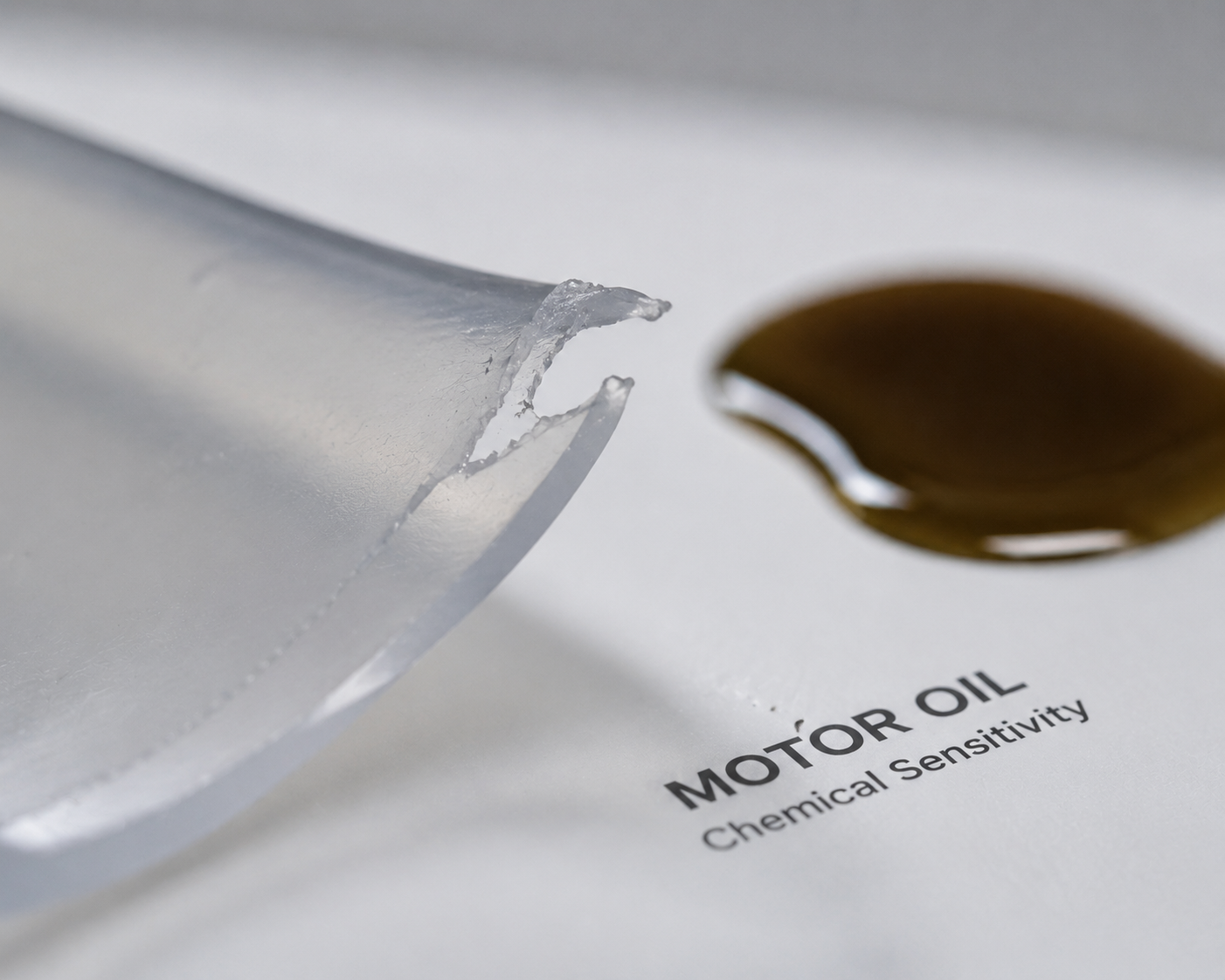
Silicone is weak against tearing. It is also bad with oil. It is more expensive than plastic.
Low Tear Strength
Silicone can tear easily. If you have sharp edges on your part, be careful. The silicone might rip. You need to design the part with round edges. This helps it last longer. Adding fillers can help, but it also makes the material harder.
Bad Chemical Resistance
Standard silicone does not like oil or gasoline. It swells up and gets soft. If your part touches motor oil, use a special grade. We call it fluorosilicone. It costs more, but it works. It can also be blended with other materials to improve resistance.
High Cost
Silicone is not cheap. The raw material costs more than plastic. The machines are specialized. You need special tools to trim the flash. This adds to the price. For high volumes, the cost per part goes down, but the initial investment is high.
Recyclability
Silicone is a thermoset. This means you cannot melt it down and use it again. Once it is cured, it stays that way. This is different from plastic bottles. You can grind it up for other uses, but you cannot make new parts from it. This is a big environmental concern for some people.
What are the differences between liquid silicone rubber and high consistency rubber?
This is the most technical question. LSR and HCR are cousins. They have similar chemistry. But they are processed very differently. This changes everything.
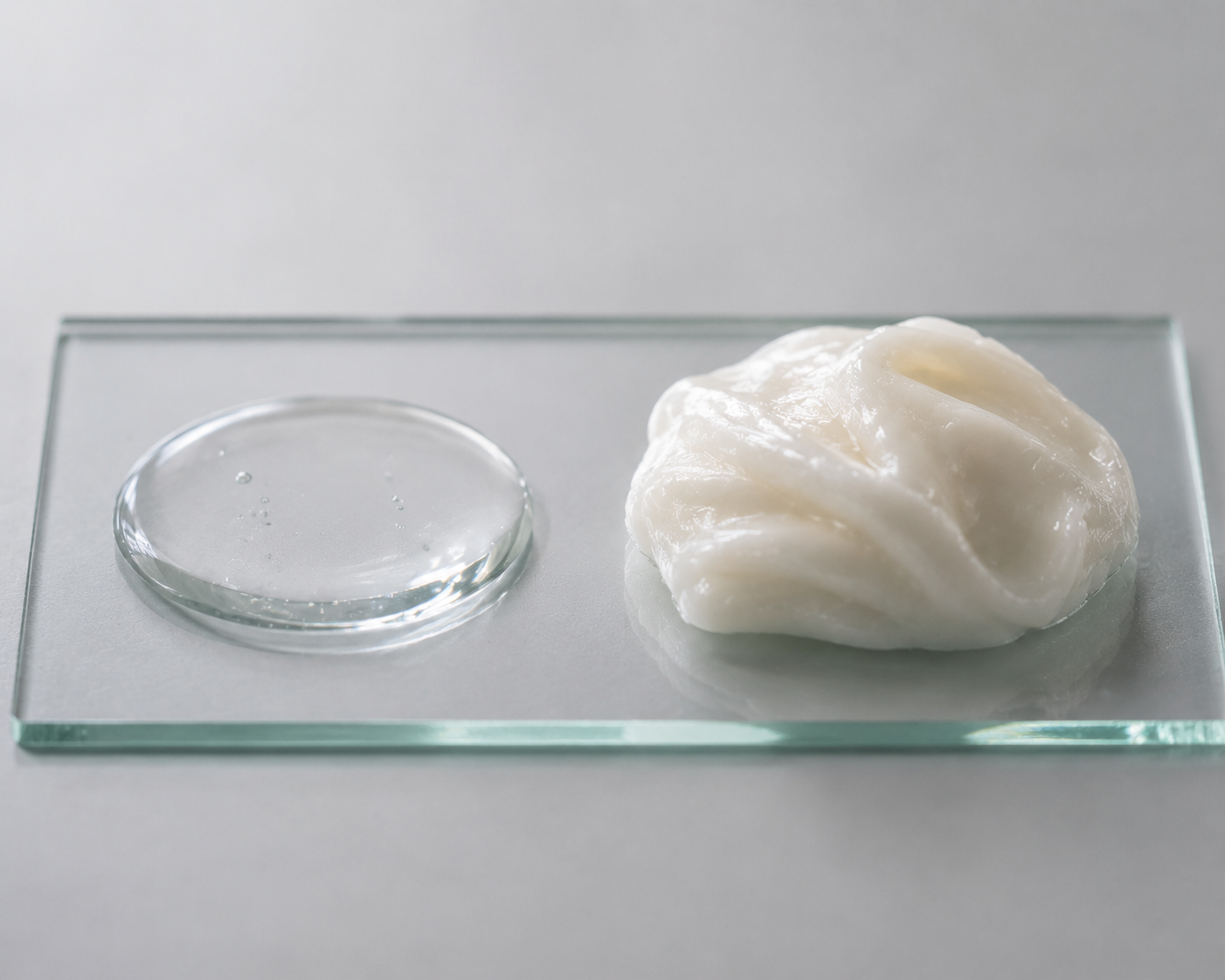
LSR is a liquid. HCR is a solid. LSR is fast. HCR is slow. LSR costs more for tools. HCR costs less for tools.
Viscosity and Form
LSR has low viscosity. It flows easily. HCR has high viscosity. It is thick and gummy. You can stretch it like taffy. This makes LSR better for complex shapes and HCR better for simple, robust parts.
Curing Systems
LSR almost always uses platinum curing. This is very clean. There are no by-products. HCR can use peroxide or platinum. Peroxide HCR needs a post-cure step. This takes time and adds cost. Platinum HCR is cleaner but more expensive.
Processing Differences
LSR is injected into a closed mold. It is a cold runner system. The material stays cool until it hits the hot mold. This allows for very fast cycles. HCR is placed into an open mold. Then the mold closes. This is slower. It is harder to automate. It often requires manual loading.
Cost Analysis
LSR tooling is expensive. You need precision steel molds. The machines are also expensive. But the labor is low. The cycle is fast. HCR tooling is cheaper. The machines are simpler. But you need more people. The cycle is slow. For high volumes, LSR wins. For low volumes, HCR wins.
| Feature | LSR | HCR |
|---|---|---|
| Viscosity | Low (Liquid) | High (Solid) |
| Cycle Time | Seconds | Minutes |
| Tooling Cost | High | Low |
| Labor Cost | Low | High |
| Best For | Complex, High Vol | Simple, Low Vol |
I once calculated the cost for a medical valve. LSR was 30% more expensive for the mold. But it was 70% cheaper for the part. The speed made the difference. It was a clear choice for the client.
Conclusion
Choose LSR for high-volume, complex parts. Choose HCR for low-volume, simple parts. The right choice depends on your volume, your budget, and your part design.
About me
Brand Name: Kenvox
Slogan: Just show us your design or idea, Kenvox will return you a perfect finished product!
Website: www.kenvox.com
KENVOX INDUSTRIAL (HONGKONG) CO., LTD is a Hong Kong–based contract manufacturing group (est. 1989) focused on plastic, silicone, and metal tooling and finished parts. We provide OEM/ODM, design support, and one-stop turnkey project delivery. We operate wholly owned and partner facilities in Dongguan, Huizhou, Shenzhen, and Vietnam.
Services Offered:
- Product & engineering design: Component design, DFM/DFMA, tooling design.
- Prototyping: CNC prototypes, silicone sample molds.
- Injection mold design & manufacturing: Plastic injection molds, mold flow analysis.
- Custom manufacturing — plastic: High- and low-volume injection molding, overmolding.
- Custom manufacturing — silicone: Compression molding, LSR (liquid silicone) injection, dispensing/epoxy.
- Custom manufacturing — metal: CNC machining, die casting, stamping.
- Secondary processing & assembly: Silk screen, laser engraving, painting, ultrasonic welding.
- Supply chain & project operations: Sourcing, warehousing, testing/certification.
Certifications and Quality Assurance:
KENVOX operates under ISO 9001, IATF/TS 16949, and ISO 14001.
Team and Communication:
Sales and project staff provide direct English communication. Our foreign-trade engineers typically bring 10+ years of industry experience.
Production Capabilities:
- 600–1,300+ employees
- ~30,000–40,000+ m² manufacturing footprint
- 70–80% export orientation
- 190+ injection machines
- 60+ silicone-related machines
- Mold shop with high-speed CNC, EDM, slow-wire EDM, and CMM measurement.
Global Reach:
Primary markets: North America, South America, Western/Eastern Europe, East Asia, Middle East, and Australia. Reference customers include CASIO, BROTHER, BBK, KINPO, LADA.