


What Is Vacuum Plating and How Does It Work?
I used to think a shiny finish was just about looks. Then I saw how fast poor surface treatment can turn a good part into a weak product.
Vacuum plating is a surface finishing process that uses a vacuum chamber to deposit a thin metal or metal-like layer onto a part. I use it to improve appearance, add protection, and create a clean, bright finish on plastic and other materials.
![alt with keywords]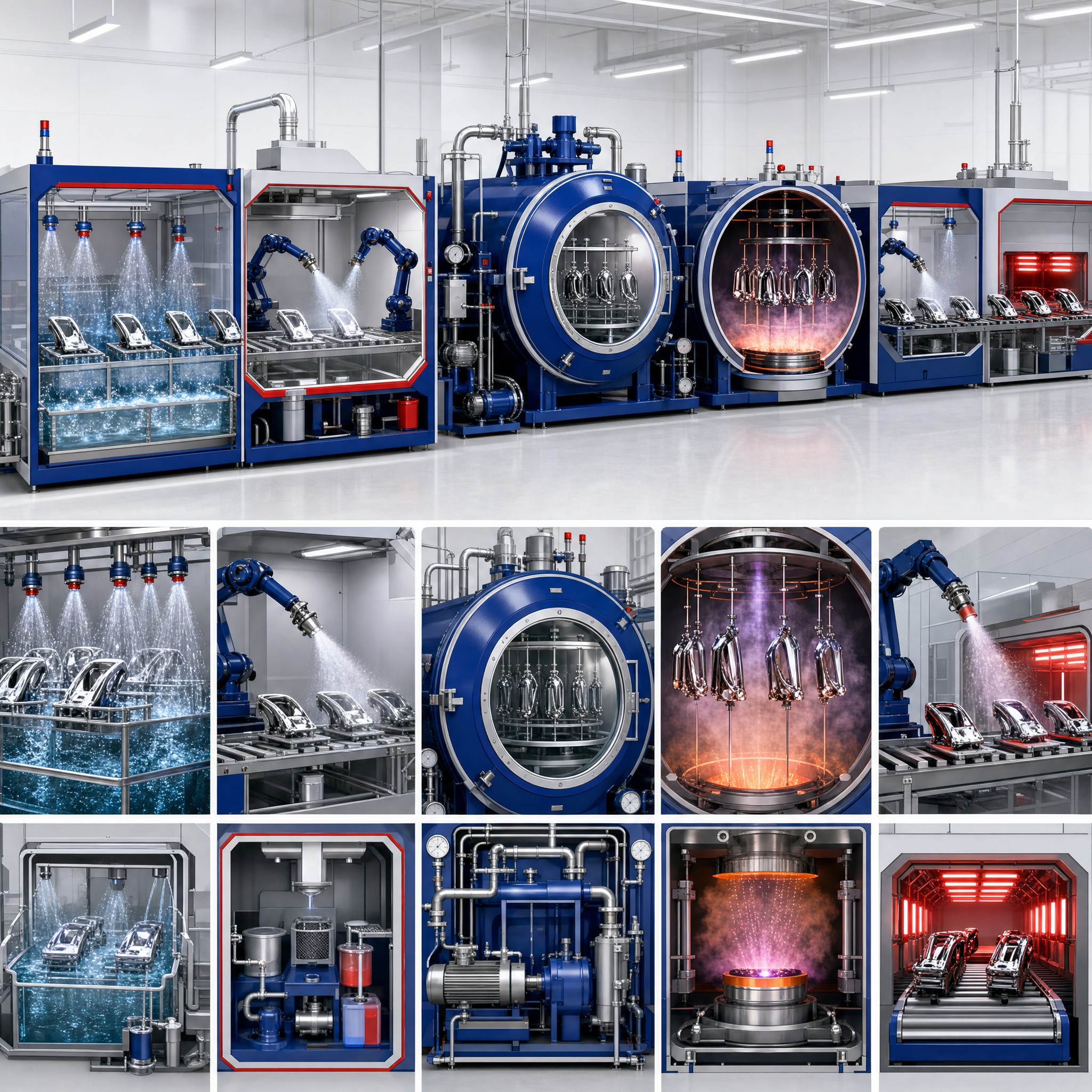
I often see vacuum plating used when a product needs a metal look without full metal weight or cost. I also see it when a client wants a stronger surface and a more premium feel. The process can look simple from the outside, but the real value comes from good material choice, careful pretreatment, and stable control. I have seen many projects where the surface finish decided how the customer felt about the whole product.
What is the process of vacuum plating?
When I first explain vacuum plating, I usually start with the problem it solves. Many parts need a bright metal look, but full metal parts can be too heavy, too costly, or too hard to make. That gap can cause trouble for product teams that want both beauty and production speed.
The process of vacuum plating uses a vacuum chamber to remove air, then places metal or coating material into the chamber so it bonds to the part as a very thin film. I see it as a controlled way to give a part a metal-like surface with good shine and useful surface performance.
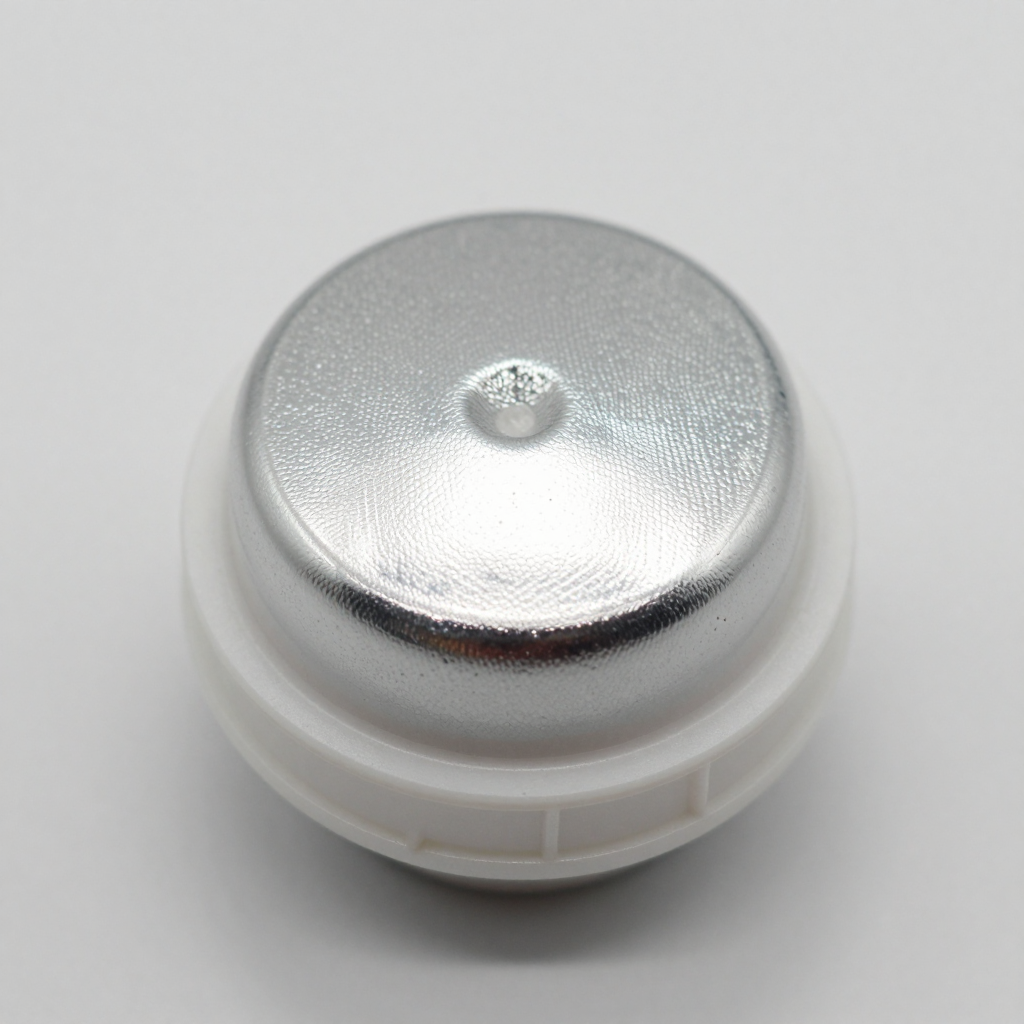
In my work, the process usually starts with cleaning. The part must be free from dust, oil, and moisture. If the surface is bad, the coating will show defects right away. After that, the part may receive a base coat. This step helps the final layer stick better and look smoother. Then the part goes into a sealed chamber. The air is removed. The coating material is heated or evaporated. The vapor lands on the part and forms a thin layer.
Main stages in vacuum plating
| Stage | What I see happen | Why it matters |
|---|---|---|
| Cleaning | Oil and dust are removed | It helps the coating stick |
| Base coating | A primer or base layer is added | It improves smoothness and color |
| Vacuum chamber setup | The part is placed inside a sealed chamber | It creates the right coating space |
| Metal deposition | Metal vapor bonds to the part | It creates the shiny finish |
| Top coating | A clear coat may be added | It protects the surface |
I have learned that this process is only as good as its weakest step. If the base coat is uneven, the final finish can fail fast. If the chamber is not controlled well, the color can shift. So I always treat vacuum plating as a system, not just a finish.
Is vacuum metalizing better than chrome plating?
I hear this question often, and I understand why. Both finishes can give a bright metallic look. Both can make a product feel more valuable. But the better choice depends on the part, the goal, and the budget.
Vacuum metalizing is not always better than chrome plating. I choose vacuum metalizing when I need a lighter, lower-cost, and more design-friendly finish on plastic. I choose chrome plating when I need a harder, more durable metallic surface and the part can support the process.
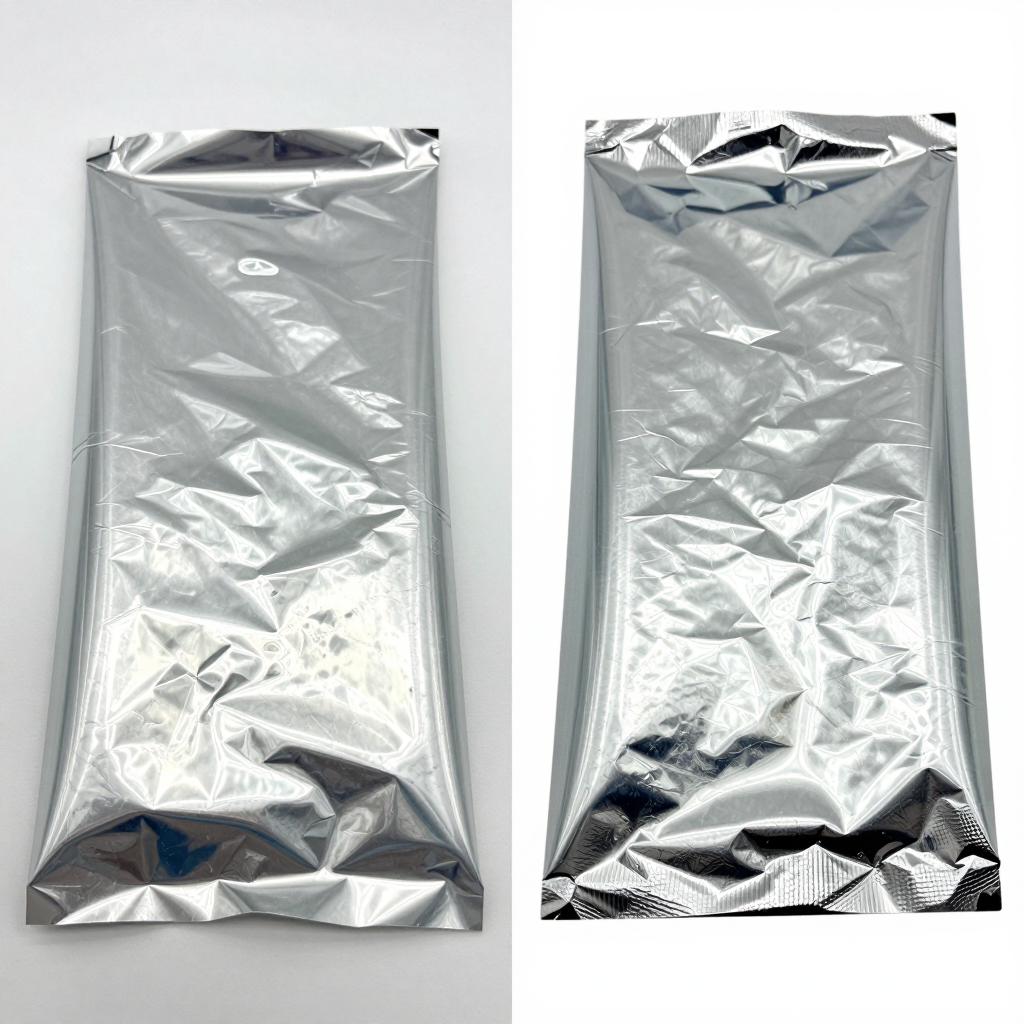
I often compare them by looking at the part’s material and use case. Vacuum metalizing works well on plastic parts. It is popular for decorative items, consumer goods, and light-duty housings. Chrome plating is often stronger in wear resistance, but it usually needs a different base material and more process steps. It can also cost more and create more process limits.
Simple comparison
| Item | Vacuum metalizing | Chrome plating |
|---|---|---|
| Base material | Often plastic | Often metal or specially prepared parts |
| Weight impact | Very light | Heavier if metal part is used |
| Look | Bright, reflective, flexible in design | Strong metallic shine |
| Durability | Good with top coat | Often very strong |
| Cost | Usually more cost-friendly for plastic | Can be higher |
| Best use | Decorative plastic parts | More durable metal-like parts |
In my own projects, I often choose vacuum metalizing when a client needs a stylish product shell. I choose chrome plating when the part must face more friction or harsher use. So I do not call one “better” in all cases. I call one “better” for a specific job.
What does "vacuum plated" mean?
I think this term confuses many people because it sounds like the part was dipped in metal. That is not what happens. The phrase is simple, but the process behind it is more precise.
“Vacuum plated” means that a part has received a thin coating inside a vacuum chamber. I use the term to describe a finished part that has a metallic or decorative layer applied by a vacuum-based process, not by full metal casting or thick electroplating.

When I say a part is vacuum plated, I usually mean the surface has been coated for appearance, protection, or both. The layer is thin. The base part stays the main structure. This matters because the look can be very different from solid metal, even if the visual effect is similar. It also means the process may not give the same scratch resistance as a thicker metal finish unless the right top coat is added.
What I check before I call a part vacuum plated
| Check point | My focus |
|---|---|
| Surface look | Is the finish smooth and even? |
| Bonding | Does the layer stick well? |
| Color | Does the shine match the target? |
| Protection | Is there a clear coat or seal layer? |
| Use case | Will the part face handling or wear? |
I have seen teams treat “vacuum plated” as a style choice only. I think that is a mistake. It is also a material and process choice. If the base resin, mold texture, and coating system do not work together, the final part can peel, haze, or show lines. So the phrase sounds simple, but it stands for a careful manufacturing result.
Is PVD the same as vacuum plating?
I get this question a lot from product teams that want a premium finish but do not want confusion in spec sheets. The short answer is no, but the two ideas are closely related.
PVD is not exactly the same as vacuum plating, but PVD is one type of vacuum-based coating process. I treat vacuum plating as a wider group name, while PVD is a specific method that uses physical vapor deposition to form the coating.
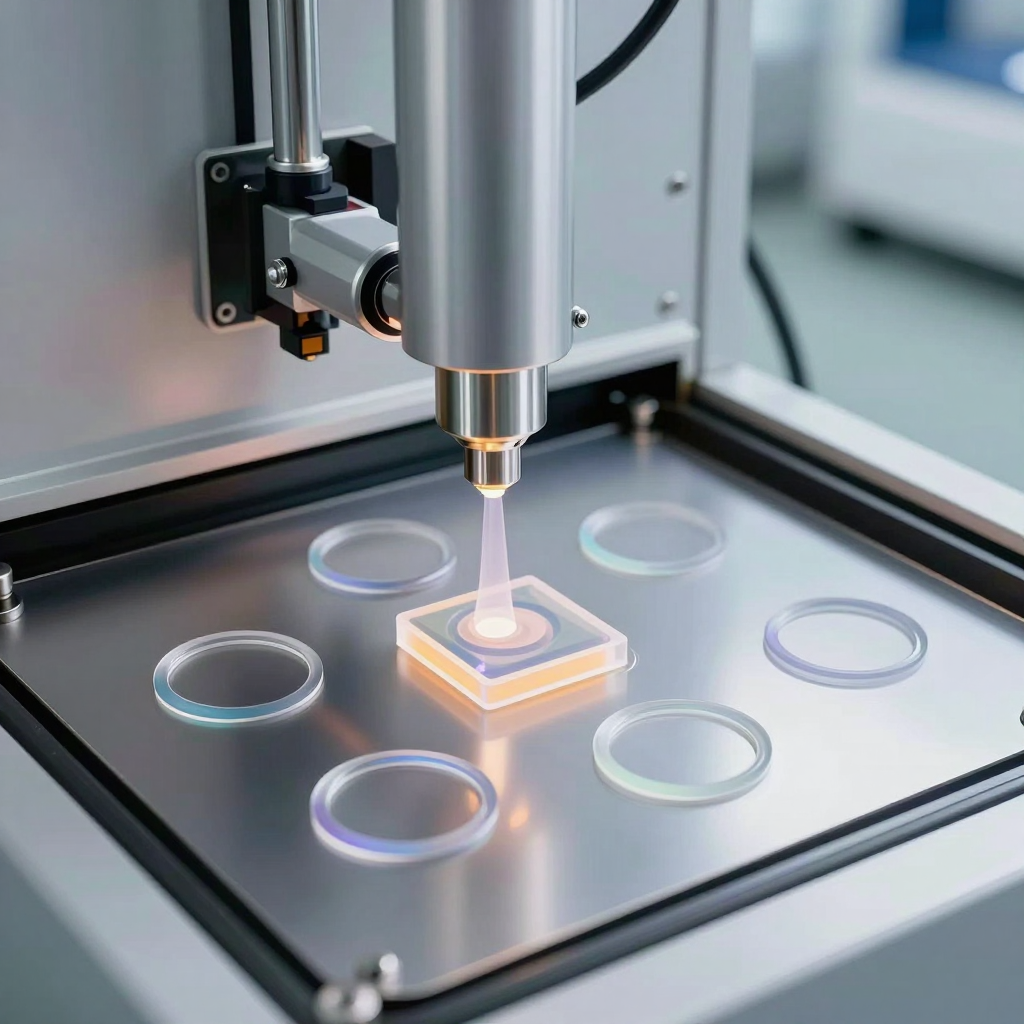
In my experience, this difference matters when I choose the right finish for a project. Vacuum plating can include several methods that use a vacuum chamber to deposit a thin layer. PVD is one of the more common and well-known methods. It often gives a strong, clean finish and good wear performance. It is used in watches, hardware parts, consumer products, and other items where the surface must look sharp.
How I separate the two
| Term | My understanding | Practical use |
|---|---|---|
| Vacuum plating | Broad term for vacuum-based surface coating | General finish discussion |
| PVD | A specific vacuum deposition process | Technical specification and premium finishes |
| Result | Thin metallic layer | Decorative or protective surface |
| Common target | Plastic, metal, or coated parts | Depends on product design |
I often tell clients that naming matters. If they ask for “vacuum plating,” I ask what look, durability, and base material they want. If they ask for “PVD,” I ask about color, wear, and cost. The right name helps me match the right process. It also helps avoid a finish that looks good in a sample but fails in mass production.
Conclusion
Vacuum plating gives me a flexible way to make parts look metallic, stay light, and fit real production needs when I choose the right process and base material.